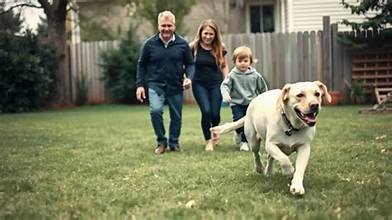
When parents ask, “What is the best dog for a special needs child?” I understand why.
We want an answer.
We want someone to tell us which breed to choose so we can feel confident that we’re making the right decision.
But after looking at dogs, disabilities, sensory needs, anxiety, ADHD, autism, and family life, I think there’s a better question:
What qualities make a particular dog a good match for my child?
Because that’s really what matters.
The dog that works beautifully for another special needs family may be completely wrong for yours.
Temperament Comes First
If I had to choose one quality above all others, it would be temperament.
A beautiful dog with the wrong temperament is still the wrong dog.
For many families, desirable qualities may include patience, friendliness, predictability, trainability, and the ability to settle.
You want to think about how the dog responds when life doesn’t go perfectly.
Special needs households aren’t always quiet or predictable.
Sometimes there are meltdowns.
Routines can change.
Sometimes a child makes a sudden noise or movement.
A dog that becomes extremely frightened or reactive in those situations may struggle in the home.
Consider Your Child’s Energy Level
Some kids never seem to stop moving.
Others prefer quieter activities.
And plenty move between both depending on the day.
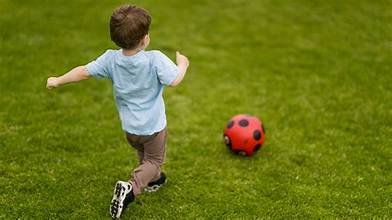
The dog’s activity needs should fit your family’s lifestyle.
An active child who loves being outside may enjoy walking, playing fetch, or exploring with an energetic dog.
A child who prefers quiet time may be happier with a dog that doesn’t require hours of activity every day.
But remember: virtually every dog needs exercise and enrichment.
The goal isn’t finding a dog that requires nothing.
It’s finding one whose needs you can realistically meet.
Think About Noise
Barking isn’t a small issue when you’re dealing with sensory sensitivities.
A dog that barks every time someone walks past the window could become incredibly stressful for a child who struggles with sudden sounds.
Before choosing a dog, ask about its barking habits.
If you’re meeting an adult dog at a rescue or foster home, the people caring for the dog may already know whether it tends to be vocal.
That information can be extremely valuable.
Consider Touch
Some children crave physical pressure.
Others can’t stand unexpected touch.
Dogs have their own preferences too.
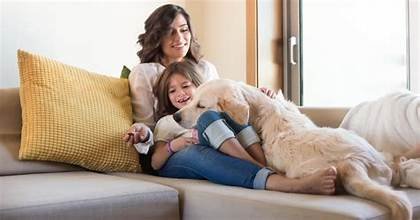
Some want to climb into your lap.
Some lean against people.
Might lick.
Some paw.
Maybe they prefer lying nearby without touching at all.
Imagine those behaviors happening every day.
Would your child find them comforting or upsetting?
That’s the kind of question that helps you move beyond breed lists and toward the actual match.
Look at Size
There are advantages and disadvantages to both small and large dogs.
Large dogs can provide a comforting physical presence, but they can also accidentally knock someone down.
Small dogs may seem less intimidating, but they can be more vulnerable if a child doesn’t yet understand how to handle them gently.
There isn’t a universally correct size.
Think about your child’s body awareness, impulse control, comfort around animals, and physical abilities.
Don’t Forget Grooming
This is one people often overlook.
A long-haired dog may need regular brushing.
Some dogs shed heavily.
Dogs drool.
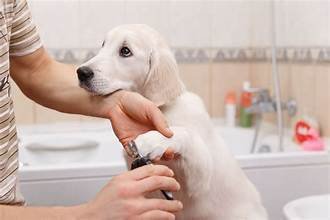
Some require professional grooming every few weeks.
Your child may adore the dog’s fluffy coat—or hate the feeling of loose hair sticking to clothing.
The grooming needs also have to fit the adults’ schedules and budget.
Trainability Matters
A well-trained dog is usually easier to live with than an untrained one.
Basic behaviors such as coming when called, walking appropriately on a leash, staying off people when asked, and settling in a particular place can make family life much easier.
For families dealing with safety concerns or impulsivity, reliable training can become especially important.
Training also gives some kids a wonderful way to interact with their dog.
Teaching “sit” or “touch” may become something your child feels proud to do.
Puppies Aren’t Always the Best Choice
Puppies are adorable.
They’re also puppies.
Can chew.

They nip.
Might have accidents.
Will jump.
May wake people up.
They haven’t shown you exactly what their adult personalities will be yet.
For some special needs families, an adult dog may actually make the transition easier.
With an adult dog, you may already know the size, energy level, personality, and many established behaviors.
That predictability can be incredibly valuable.
Your Household Matters Too
The dog isn’t only living with your child.
It’s living with everyone.
Consider work schedules, other pets, siblings, transportation, finances, housing, travel, and who will actually provide the majority of the care.
A child may promise to feed and walk a dog every day.
As parents, we know how those promises sometimes turn out.
The adults need to be prepared to take responsibility if necessary.
Family Pet or Working Dog?
A family pet can be tremendously valuable.
A dog doesn’t need to be a service animal to provide companionship, routine, comfort, motivation, and friendship.
But if you’re specifically hoping the dog will perform disability-related tasks, that’s a different decision.
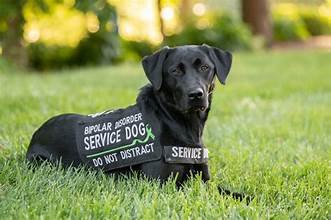
A service dog requires specialized training and must be appropriate for the work it performs.
We’ll look more closely at those differences in the next article in this series.
Meet the Dog More Than Once When Possible
If you’re adopting an adult dog, I love the idea of having more than one interaction whenever possible.
The first meeting can be exciting for everyone.
A second meeting may show you something different.
Watch your child.
Watch the dog.
Don’t force interaction.
Does your child move closer?
Does the dog approach gently?
Can they peacefully exist in the same space without constantly interacting?
Sometimes that quiet compatibility tells you more than an enthusiastic first greeting.
There Is No Perfect Dog
This may be disappointing, but I think it’s also freeing.
You don’t have to find the mythical “perfect autism dog” or “perfect ADHD dog.”
You need to find a dog whose needs fit your family’s needs.
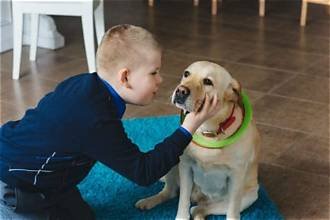
Will still be training.
There will still be inconvenient moments.
There will still be vet bills, muddy paws, and days when somebody forgets to refill the water bowl.
That’s dog ownership.
But with thoughtful planning, you can greatly improve the chances of finding a dog that adds something wonderful to your child’s life instead of making everyday life harder.
Final Thoughts
When you’re choosing a dog for a child with special needs, don’t start with a breed.
Start with your child.
What makes them comfortable?
What overwhelms them?
How do they communicate?
What kind of interaction do they enjoy?
What can your household realistically handle?
Then start looking for a dog whose personality fits those answers.
Because the best dog isn’t the one another family tells you to get.
It’s the one that fits into your family’s life.