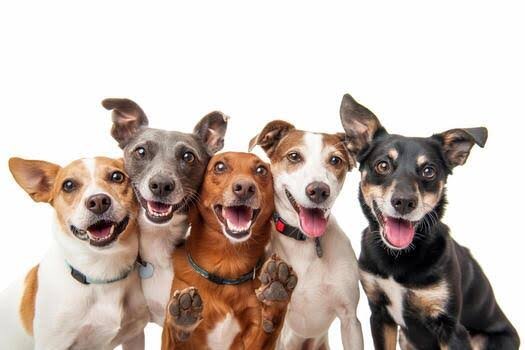
When families start thinking about getting a dog for a child with special needs, large breeds often get the most attention.
But a big dog isn’t right for every household.
You may live in a smaller home. Your child may be nervous around large animals. You might feel more comfortable caring for a smaller dog.
Small dogs can still provide companionship, routine, affection, and plenty of personality.
Here are several breeds families may want to research.
Havanese
Havanese are small companion dogs that typically enjoy being around their families.

For kids who want a dog nearby without having a large animal taking over the couch, they can be worth considering.
They are playful but manageable in size.
Regular grooming is part of owning one, so families should decide whether brushing and coat care will fit comfortably into their routine.
Cavalier King Charles Spaniel
Cavaliers are often affectionate little dogs who enjoy spending time with people.
Their size may feel less intimidating to a child with anxiety.

A child who likes physical affection may enjoy having a smaller dog curl up beside them.
Families should carefully research the breed’s known health concerns before choosing one.
Bichon Frise
The Bichon Frise is another small dog that can fit well into certain family homes.
They are often social and playful without having the physical strength of a much larger dog.
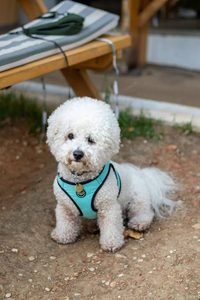
Their coat requires regular grooming, which is another expense and responsibility to plan for.
Miniature Poodle
Miniature Poodles bring many of the qualities people like about Standard Poodles into a smaller package.
They are smart and highly trainable.

That can make them fun for kids who enjoy teaching a dog tricks or participating in training.
However, smart dogs need something to do. Training games, walks, and mental stimulation will still be important.
Shih Tzu
Shih Tzus were bred primarily as companion dogs.
Many are happiest spending plenty of time with their people rather than running for miles every day.

For a quieter family, that may be appealing.
Their coats require maintenance, and their short faces can be associated with health concerns, so those are important factors to research.
Size Isn’t Everything
One mistake families can make is assuming:
Small dog = calm dog.
That isn’t always true.
Some small dogs bark frequently. Some have enormous amounts of energy. Others may be uncomfortable with rough handling.
A 12-pound dog can still be completely wrong for your child.
That’s why temperament matters so much.
Think About How Your Child Interacts With Animals
If your child loves squeezing, grabbing, hugging, or leaning heavily against animals, a very small dog might actually be a poor choice.
Smaller dogs can be more physically vulnerable.
If your child struggles with impulse control or understanding gentle handling, you may need more supervision or perhaps a sturdier dog.
On the other hand, a child who is frightened by large animals may feel much safer building a relationship with a smaller companion.
Final Thoughts
There isn’t one perfect small dog for kids with ADHD, autism, or anxiety.
There are simply different dogs with different strengths.
What about energy?
Think about barking.
Think about grooming.
What about your child’s comfort with touch and movement?
And don’t choose a dog simply because the breed looks adorable.
Choose the dog you can realistically picture living with your family every single day.
That’s the match that matters.