When your child or loved one needs help, it can be easy to get excited when you finally find a program that says:
“We can provide the service dog you need.”
Then comes the price.
$15,000.
$20,000.
$30,000.
Maybe even more.
When families are desperate for support, we can sometimes feel pressure to move quickly because we’re afraid of losing the opportunity.
But a service dog is a major financial and emotional commitment.
Before you sign a contract, send money, or begin fundraising, give yourself permission to ask questions.
Lots of them.
Here are ten I would want answered.
1. What Exactly Will This Service Dog Be Trained to Do?
Start here.
Don’t settle for:
“He’ll help with autism.”
Or:
“She’ll help with anxiety.”
Ask:
What specific tasks will this dog perform?
Under the ADA, a service dog must be individually trained to perform work or tasks related to a person’s disability. Comfort or companionship alone does not qualify as a service-dog task.
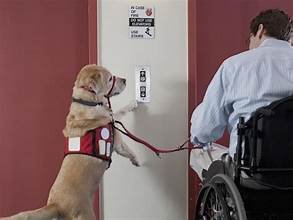
Please make sure you understand how the dog’s training connects to the handler’s actual needs.
2. How Much Will My Family Actually Pay?
Don’t only ask:
“How much does the dog cost?”
Ask:
“Exactly how much money are we responsible for paying or fundraising?”
Those numbers can be very different.
Canine Companions provides dogs at no charge to recipients, even though raising, training, and supporting a dog can cost the organization tens of thousands of dollars.
4 Paws for Ability currently reports an organizational cost of around $40,000 and a $20,000 client fee for service, while NEADS reports nearly $45,000 in organizational costs and a $12,000 client fundraising commitment.

Get your family’s amount in writing.
3. What Is Included in That Price?
A program fee might include:
- The dog
- Veterinary care before placement
- Task training
- Public-access preparation
- Handler training
- Follow-up support
- Equipment
Or some of those expenses may be separate.
Ask for an itemized explanation.
Then ask about expenses that aren’t included:
- Travel
- Lodging
- Meals
- Equipment
- Veterinary care after placement
- Grooming
- Follow-up training
The number in the brochure may not be the final number in your family’s budget.
4. How Do You Choose Dogs for Service Work?
Ask where the dogs come from and how they are evaluated.
What health testing is performed?
How is temperament evaluated?
What happens if a dog develops a medical or behavioral problem?
NEADS, for example, says that most of its dogs are purpose-bred for characteristics suitable for service work and are evaluated during an 18-to-24-month training period before being matched.

A reputable organization should be able to explain its process clearly.
5. Who Trains the Dogs?
Ask about the trainers.
How much service-dog experience do they have?
What training methods do they use?
How are disability-specific tasks taught?
Who supervises the training?
This matters because dog training itself is largely an unregulated industry. The American Kennel Club cautions that people can advertise themselves as trainers regardless of their education or experience, making it important for consumers to evaluate trainers carefully.
Please feel free to ask for credentials and experience.
6. What Happens If the Dog Doesn’t Work Out?
This may be uncomfortable to ask, but it is extremely important.
What happens if:
- The dog develops a serious illness?
- The dog becomes fearful?
- Does the dog not reliably perform a needed task?
- Isn’t the match right?
- Your child’s needs change?
- The placement fails?
See whether the organization will rematch you.
Ask whether fees are refundable.
Inquire who takes responsibility for the dog.
Get those answers before paying.
7. What Training Will Our Family Receive?
Before asking about training, make sure you understand who is eligible for a service dog from this program. Some organizations have specific eligibility criteria, such as the handler’s age, type of disability or diagnosis, or family situation. Ask about these requirements early in the process, so you know whether you can move forward and what information you may need to provide.
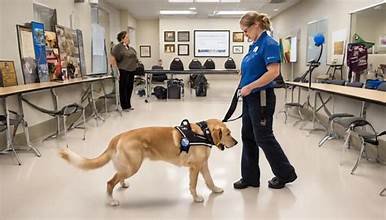
A trained dog and an unprepared handler are not a complete team.
Ask:
- How long is handler training?
- Where does it take place?
- Must a parent or caregiver attend?
- Is training individual or group-based?
- Will we practice in public?
- What happens if we need additional help afterward?
Some programs require substantial in-person team training.
Canine Companions, for example, requires eligible child applicants and facilitators to attend a two-week Team Training course.
Training time can also create travel, childcare, and missed-work expenses. In addition to these, remember to plan for other ongoing costs such as food, regular veterinary checkups, pet insurance, grooming, and supplies. These ongoing and sometimes unexpected expenses can add up over time, so it’s important to include them in your family’s budget.
8. What Follow-Up Support Is Included?
The relationship with the training organization shouldn’t necessarily end the day you leave with the dog.
For example, ask:
Who do I call when something goes wrong six months from now?
Find out whether the program offers:
- Phone support
- Training consultations
- Follow-up evaluations
- Refresher training
- Help teaching new tasks
- Retirement planning
Canine Companions states that its follow-up services are provided at no charge to graduates.
Different programs have different policies, so please make sure you know yours.
9. Is the Program Accredited, and What Does That Mean?
Assistance Dogs International maintains a directory of accredited assistance-dog organizations.
ADI says accredited programs undergo an evaluation process examining areas such as training, dog care, client treatment, records, and business practices.
That can be a helpful research tool.
But don’t confuse ADI accreditation with federal service-dog certification.
The ADA does not require a service dog to come from an accredited organization.
Accreditation can help you evaluate a program. It does not determine whether a dog legally qualifies as a service animal under the ADA.
10. Are You Selling Me a Service Dog or a Certificate?
This might be the most important scam question of all.
If someone tells you:
“Do you need to buy this registration?”
“Will I need our official national service-dog ID?”
“Your dog isn’t legal without this certificate.”
Stop.
Under the ADA, businesses cannot require documentation proving that a service dog has been certified, trained, or licensed as a service animal. Federal law also does not require service dogs to wear special identification or vests.
Have to pay for real training.
Pay for good veterinary care.
Please pay for the equipment you genuinely need.
Don’t spend money thinking an online certificate creates legal service-dog status.
Trust Yourself Enough to Ask Questions
When you are trying to help someone you love, it can feel uncomfortable to question an organization that appears to have the answer.
Ask anyway.
A trustworthy program should understand that families are making an enormous decision.
You deserve to know:
- Where your money is going
- How the dog is trained
- Whether the dog is healthy
- What tasks will the dog perform
- What support will you receive
- What happens when things don’t go according to plan
You aren’t being difficult.
You’re doing your research.
However, Watch for Red Flags
Slow down if an organization:
- Guarantees instant certification
- Promises any dog can become a service dog
- Won’t explain its training process
- Won’t provide a written contract
- Pressures you to pay immediately
- Avoids questions about health testing
- Cannot explain what happens if a placement fails
- Claims a purchased ID gives public-access rights
There are wonderful service-dog organizations doing life-changing work.
Your job is to find one that is right for your family. Look for organizations that are transparent about their process and costs, provide references from past clients, and communicate clearly and honestly. A trustworthy program welcomes your questions, gives straightforward answers, and shares information freely so you can make the best decision for your loved one.
Final Thoughts
A service dog may become one of the most important supports in someone’s life.
That deserves more research than a simple price comparison.
Ask questions.
Read the contract.
Check references.
Research the trainers.
Understand the costs.
Know what happens after placement.
And don’t allow anyone to rush you into paying thousands of dollars before you understand exactly what your family is receiving.
If you’re beginning your research, start with our “Owning a Service Dog in 2026: What you need to know” for a complete look at training prices, owner training, financial aid, yearly expenses, and hidden costs. Many families use a combination of grants, fundraising, and nonprofit assistance to help cover the cost of a service dog, so know that financial support may be available if you need it.
The right service dog can be life-changing. However, it’s important to know that the process of getting a service dog can take many months or even up to two years, depending on the organization and your family’s needs. Understanding this expected timeline helps families set realistic expectations and plan accordingly.
Finding the right path to that dog matters as much.