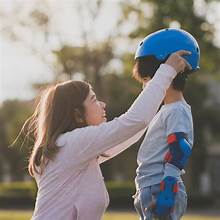
As parents, keeping our children safe is one of our most important jobs. For parents of children with autism, safety can feel like an even bigger responsibility. Many autistic children have difficulties with danger awareness, impulse control, communication, or understanding social situations. These challenges can make everyday activities feel stressful for parents who are constantly trying to balance safety and independence.
I understand this struggle personally. As the parent of an autistic child, I know what it feels like to worry about what could happen if your child doesn’t recognize a dangerous situation. I also know that living in constant fear isn’t healthy for parents or children. Our goal isn’t to make our children afraid of the world. Our goal is to teach them how to navigate it safely and confidently.
The good news is that safety skills can be taught. Like many other life skills, they often require repetition, patience, visual supports, and plenty of practice. Over time, those small lessons can add up to greater confidence and independence.
Why Safety Skills Matter for Children with Autism
Many autistic children learn differently than their peers. They may not automatically recognize dangerous situations or understand why certain rules exist. Some children are highly trusting of strangers. Others may wander away from safe adults because they become distracted by something interesting.
Safety skills help children learn how to:
- Recognize potentially dangerous situations
- Make safer choices
- Ask for help when needed
- Stay calm during unexpected situations
- Build confidence while becoming more independent
Teaching these skills isn’t about creating fear. It’s about preparing our children for real-life situations they may encounter at home, school, or in the community.
Start with Simple and Concrete Rules
Many autistic children do best with clear, direct instructions. Abstract explanations can sometimes be confusing.
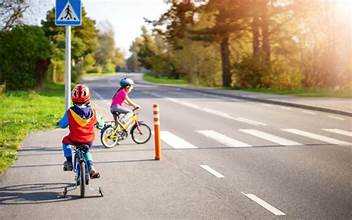
Instead of saying:
“Be careful.”
Try saying:
- Stop at the curb.
- Hold my hand in parking lots.
- Ask before leaving the playground.
- Stay where you can see me.
- Tell me if you feel unsafe.
Specific instructions are easier to understand and remember.
Visual supports can also make these rules easier to learn. Picture schedules, safety charts, social stories, and visual reminders can reinforce expectations in a way that makes sense to many autistic children.
Focus on One Skill at a Time
Parents often feel pressure to teach everything at once. In reality, children usually learn best when we focus on one skill before moving to the next.
For example, you might spend a week practicing:
Staying with a Safe Adult
Practice:
- Walking together in stores
- Staying within sight at parks
- Checking in regularly
Once your child becomes comfortable with that skill, you can move on to another safety concept.
Small steps often lead to bigger successes.
Teaching Stranger Awareness Without Creating Fear
One of the most challenging topics for parents is teaching children about strangers.
Many of us were taught that all strangers are dangerous. However, that message can be confusing because strangers are sometimes the ones who can help during an emergency.

Instead of teaching:
“Never talk to strangers.”
Try teaching:
“Only talk to safe adults when you need help.”
Examples of safe adults include:
- Police officers
- Firefighters
- Teachers
- Store employees with name tags
- Lifeguards
- Security officers
Role-playing different situations can help children understand when and how to ask for help.
Practice questions such as:
- What would you do if you couldn’t find Mom?
- Who could you ask for help?
- How would you tell them your name?
These conversations help children build confidence without becoming fearful.
Practice What to Do If They Get Lost
Many parents worry about their child becoming separated from them in public.
Rather than focusing on frightening possibilities, teach a simple action plan.
For example:
- Stop walking.
- Stay where you are.
- Find a safe adult.
- Say your name.
- Ask for help finding your parent.
Practice this at home through role-playing games.
Children often learn best when they repeatedly practice what to do before a real situation occurs.
Water Safety Is Essential
Summer often means swimming pools, lakes, beaches, and water parks.
Water safety should be a priority for all children, especially those who may be drawn to water or have difficulty recognizing danger.
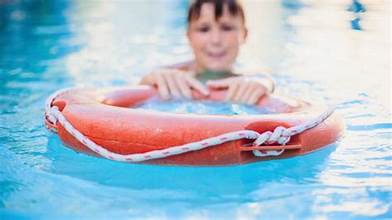
Important lessons include:
- Never go near water alone.
- Always ask an adult first.
- Wear approved flotation devices when appropriate.
- Follow pool rules.
- Stay where an adult can see you.
Swimming lessons can also be a valuable tool when available.
Even strong swimmers should still be supervised around water.
Teach Home Safety Skills
Home is often where children begin learning safety skills.
Simple home safety lessons may include:
- Not opening doors without permission
- What to do if the smoke alarm sounds
- Avoiding hot stoves and ovens
- Asking before using sharp objects
- Knowing emergency contact information
Visual reminders posted around the house can help reinforce these lessons.
Many children benefit from seeing expectations displayed consistently and predictably.
Don’t Forget Internet Safety
As children get older, online safety becomes increasingly important.

Teach children:
- Never share personal information online
- Ask permission before downloading apps
- Never meet online friends in person
- Tell a trusted adult if something online feels uncomfortable
Keep instructions simple and concrete.
Children often need ongoing reminders as technology becomes a larger part of daily life.
Use Role-Playing and Real-Life Practice
One of the best ways to teach safety skills is through practice.
Role-playing allows children to rehearse situations in a safe environment.
You might practice:
- Crossing a street safely
- Asking a store employee for help
- What to do if separated from a parent
- Responding when someone makes them uncomfortable
These activities help children gain confidence while learning important skills.
The more opportunities children have to practice, the more likely they are to remember those skills when needed.
Celebrate Progress
Safety skills take time to develop.
Parents sometimes focus on what their child still struggles with and overlook how much progress has already been made.
Celebrate the small wins.
Your child remembered to stop at the curb.
Maybe they stayed with you during an entire shopping trip.
They asked permission before leaving the backyard.
These moments matter.
Every successful safety choice is another step toward independence.
Remember That Safety and Independence Go Together
Many parents worry that giving children more independence will increase risks. In reality, independence grows when children learn how to stay safe.
The goal isn’t to keep our children dependent forever.
The goal is to teach them the skills they need to navigate the world around them safely.
That process may take longer for some children, and that’s okay.
Progress isn’t measured by how quickly a child learns. It’s measured by whether they continue moving forward.
As parents, we cannot remove every risk from our children’s lives. What we can do is equip them with the tools, knowledge, and confidence they need to make safer choices.
One lesson at a time.
One practice session at a time.
One small success at a time.
Those small successes eventually become the foundation for greater confidence, greater independence, and a safer future.
And as parents, that’s something worth celebrating.