As parents, we spend a lot of time teaching our children important life skills. We teach them how to get dressed, brush their teeth, and follow routines. But one of the most important lessons we can teach is how to stay safe.
For children with autism, safety skills often need to be taught directly and practiced regularly. Many autistic children learn best through repetition, visual supports, and hands-on experiences. The good news is that safety lessons don’t have to be complicated. In fact, some of the most important safety skills are also some of the simplest.
Here are five safety rules that every child with autism should practice both at home and in the community.
1. Stay with Your Safe Adult
This is one of the most important safety rules children can learn.
Whether you’re at the grocery store, a park, a family gathering, or on vacation, children need to understand the importance of staying close to their trusted adult.
Many autistic children become distracted by interesting sights, sounds, or objects. Before they realize it, they may have wandered farther away than intended.
Practice this skill by:
- Holding hands in busy areas
- Creating a “stay where you can see me” rule
- Playing games that encourage checking in with parents
- Praising your child when they stay nearby
The goal is to build the habit of staying connected to safe adults in different environments.
2. Stop and Look Before Crossing Streets
Street safety is a skill that requires frequent practice.
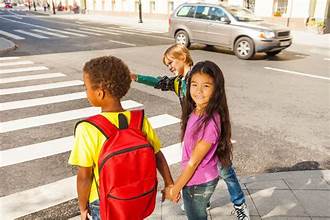
Children should learn to:
- Stop at the curb
- Look left, right, and left again
- Wait for an adult’s signal
- Walk, not run, across the street
Visual reminders can be especially helpful. Some families use stop-sign visuals or simple safety cards to reinforce the lesson.
The more opportunities children have to practice safely with adult supervision, the more natural these habits become.
3. Always Ask Before Leaving an Area
Children should understand that they need permission before leaving a safe space.
This rule can apply to:
- Playgrounds
- Backyards
- Classrooms
- Camps
- Family events
- Stores
A simple rule such as “Ask First” can be easy for children to remember.
You can practice at home by creating situations where your child asks permission before moving to another room, going outside, or visiting a neighbor.
These small daily opportunities help reinforce the habit over time.
4. Know What to Do If You Get Lost
Getting separated from a parent is scary for any child. Having a simple plan can help children stay calm and know what to do.
Teach your child to:
- Stop moving.
- Stay where they are.
- Look for a safe adult.
- Say their name.
- Ask for help finding their parent.
Role-playing can make this lesson less intimidating and more effective.
Practice in a calm and supportive way. Children often feel more confident when they know exactly what steps to follow.
You may also want your child to memorize:
- Their full name
- A parent’s name
- A phone number
- Home address, if appropriate
These skills can be lifesaving in an emergency.
5. Listen to Your “Safety Rules”
Every family has rules that help keep children safe.
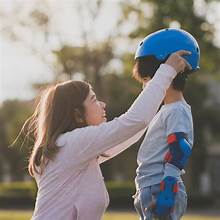
Examples may include:
- Wear your helmet.
- Stay away from water without an adult.
- Don’t open the door without permission.
- Tell an adult if something feels wrong.
- Keep your seatbelt on.
The key is consistency.
When safety rules are practiced regularly, they become part of a child’s routine rather than something they only hear during emergencies.
Visual charts, checklists, and social stories can make these expectations easier to remember.
Small Lessons Lead to Big Results
As parents, we sometimes wish our children could learn everything overnight. Safety skills don’t work that way. They develop through practice, patience, and repetition.
The good news is that every small step matters.
Today your child remembers to stop at the curb.
Tomorrow they remember to ask before leaving the backyard.
Maybe next month they confidently tell a store employee they’re lost.
Those moments may seem small, but they are building blocks for future independence.
Teaching safety isn’t about making children afraid of the world. It’s about helping them feel prepared, confident, and capable.
One lesson at a time, our children can learn the skills they need to stay safe as they explore the world around them.