As parents, especially in the special needs world, we become experts at stepping in.
You anticipate needs.
We prevent struggles.
We help before things fall apart.
And honestly?
That comes from a place of deep love.
But sometimes, without even realizing it…
We start doing too much.
Not because we want to hold our children back—
But because we want to protect them.
If you’ve ever wondered,
“Am I helping… or am I doing too much?”
You are not alone.
Why We Step In So Quickly
When your child struggles, it’s hard to watch.
You’ve seen the frustration.
The meltdowns.
The moments where things feel too big for them.
So naturally, you step in.
You help them finish the task.
We do it for them.
You make things easier.
Because in that moment, it feels like the right thing to do.
And sometimes—it is.
But when it becomes the default, it can unintentionally deprive people of opportunities to learn.
The Hidden Impact of Doing Too Much
This is the part no one really talks about.
When we consistently step in too quickly, our children may:
- Rely on us instead of trying
- Feel unsure of their own abilities
- Misses chances to build confidence
- Avoid new or challenging tasks
Not because they can’t do it…
But because they haven’t had the space to try.
The Goal Isn’t “Hands-Off Parenting”
Let’s be very clear about something:
This is NOT about pulling back all support.
Children with autism often need:
- Guidance
- Structure
- Repetition
- Encouragement
The goal isn’t to stop helping.
👉 The goal is to shift how we help.
What “Letting Go Gently” Really Looks Like
It doesn’t mean stepping away completely.

It means:
- Pausing before jumping in
- Giving your child a chance to try
- Supporting just enough
- Gradually reducing help over time
Think of it like loosening your grip—not letting go entirely.
1. Pause Before You Help
This one small shift can make a huge difference.
When your child is struggling:
👉 Wait a few seconds
👉 See what they do
Sometimes, they just need a moment.
2. Offer Prompts Instead of Doing
Instead of completing the task for them, try:
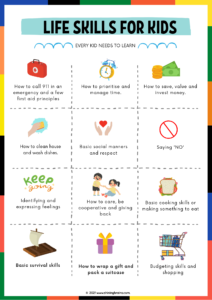
- A verbal cue
- A gesture
- Pointing to a visual
You’re still helping—but in a way that encourages independence.
3. Break Tasks Into Smaller Steps
If something feels too hard, your child is more likely to resist.
Make it manageable:
- One step at a time
- Clear expectations
- Simple instructions
Success builds confidence.
4. Allow Imperfection
This one can be tough.
The shirt might be backward.
The task may not be perfect.
But if your child did it themselves?
That’s progress.
5. Celebrate Effort, Not Just Outcome
Instead of focusing on what’s “right,” focus on:
- Trying
- Participating
- Making an effort
That’s what builds long-term confidence.
6. Trust the Process (Even When It’s Slow)
Growth doesn’t happen overnight.

There will be:
- Good days
- Hard days
- Days that feel like no progress at all
But learning is still happening underneath it all.
The Balance We’re All Trying to Find
Every parent walks this line:
👉 Helping enough
👉 But not too much
And there’s no perfect formula.
Some days you’ll step in too quickly.
Some days you’ll step back just right.
That’s part of the process.
A Gentle Reminder for Parents
You are not “doing it wrong.”
You are learning how to support your child in the best way you can.
And that takes:
- Awareness
- Patience
- A whole lot of love
Letting go doesn’t mean stepping away.
It means believing your child is capable—
even if it takes time.
Conclusion
Doing everything for your child comes from love.
But giving them space to try?
That’s where growth happens.
Start small.
Pause a little longer.
Trust a little more.
Because independence isn’t built by doing it for them—
It’s built by letting them try 💛