When your child receives an autism diagnosis, you may feel as though you have finally found the missing piece of a complicated puzzle.
Suddenly, certain behaviors begin to make more sense. You may better understand your child’s communication differences, sensory needs, routines, repetitive behaviors, or difficulty handling unexpected changes.
But what happens when autism still does not explain everything?
Perhaps your child struggles to coordinate their movements. Maybe they have severe anxiety, frequent stomach problems, unusual sleep patterns, learning difficulties, or behaviors that seem different from the autism traits you have learned about.
You may begin wondering, “Is this part of autism, or is something else going on too?”
That is an important question.
Autism spectrum disorder is a developmental disability that can affect communication, social interaction, learning, and behavior. Recognizing that highlights that autistic children can also have other developmental, medical, genetic, learning, or mental-health conditions. Professionals usually call these co-occurring conditions because they emphasize the importance of proactive inquiry to ensure appropriate support.
When One Diagnosis Does Not Explain Everything
I understand the feeling of searching for answers.
The first diagnosis my son received was dyspraxia, also known as developmental coordination disorder. I began researching it and discovered that actor Daniel Radcliffe had spoken publicly about living with dyspraxia.
That discovery encouraged me to keep learning.
Dyspraxia explained some of my son’s challenges, but I still felt as though there were unanswered questions. I continued researching, speaking with professionals, and trying to understand the complete picture.
Over time, we received more answers. Genetic testing also identified a distal 16p11.2 microduplication.
Eventually, I was told there was no more testing we needed to pursue. We had found the answers that were available to us.
Reaching that point did not change who my son was. It simply helped us understand him better.
That experience taught me that continuing to ask questions does not mean a parent refuses to accept their child. Instead, it can empower parents to ensure their child receives the right support and feel more in control of their child’s development.
What Does “Co-Occurring Condition” Mean?
A co-occurring condition is another condition that a child has in addition to autism.
Some co-occurring conditions are diagnosed before autism. Others may not become obvious until a child gets older and expectations at school, home, or in the community become more complicated.
Symptoms can also overlap.
For example, a child may avoid an activity because of anxiety, sensory discomfort, difficulty understanding the instructions, poor motor coordination, or a combination of several factors.
That overlap is one reason it can take time to obtain a complete picture, but understanding this can help parents feel reassured that their observations are valid and part of a normal process.
The American Academy of Pediatrics advises healthcare providers to consider medical and behavioral concerns that commonly occur with autism, including sleep disorders, feeding difficulties, gastrointestinal problems, seizures, ADHD, anxiety, and wandering.
Here are nine conditions or groups of conditions that parents may encounter alongside autism.
1. Attention-Deficit/Hyperactivity Disorder, or ADHD, is a common condition that can occur with autism, characterized by difficulty maintaining attention, controlling impulses, and hyperactivity.
ADHD is probably one of the most widely recognized conditions that can occur with autism.
A child with ADHD may have difficulty:
- Maintaining attention
- Controlling impulses
- Sitting still when expected
- Organizing belongings or assignments
- Remembering multistep instructions
- Waiting for a turn
- Stopping before acting
Some ADHD traits can look similar to autism traits. For example, both autistic children and children with ADHD may struggle with transitions, emotional regulation, social situations, or school demands.
However, autism and ADHD are separate conditions, and a child can be diagnosed with both.
Understanding that both are present can help families and professionals choose supports that address the child’s complete needs instead of assuming every difficulty is caused by autism.
2. Anxiety Disorders
Anxiety is another common concern among autistic children and teenagers.
Unfortunately, anxiety is not always easy to recognize, especially when a child has difficulty describing what they are feeling.
Instead of saying, “I feel anxious,” a child may:
- Refuse to attend school
- Avoid certain places
- Ask the same question repeatedly
- Become upset before a change
- Experience more meltdowns
- Complain of headaches or stomachaches
- Need constant reassurance
- Have difficulty falling asleep
- Become unusually quiet or withdrawn
Some routines and repetitive behaviors may help an autistic child feel safe and regulated. However, when fear or worry begins interfering with daily life, parents may want to ask whether anxiety is also involved.
Autistic children and adolescents may experience co-occurring anxiety, and healthcare providers are encouraged to consider anxiety when evaluating changes in behavior or functioning.
3. Developmental Coordination Disorder or Dyspraxia
Developmental coordination disorder, commonly called DCD or dyspraxia, can affect a person’s ability to learn and perform coordinated movements.
A child with dyspraxia may appear unusually clumsy, but the condition involves much more than occasionally bumping into something.
The child may struggle with:
- Handwriting
- Using scissors
- Tying shoes
- Buttoning clothing
- Catching or throwing a ball
- Riding a bicycle
- Using eating utensils
- Learning dance movements
- Climbing stairs
- Planning the steps needed to complete a physical task
These difficulties can affect schoolwork, personal care, play, sports, confidence, and independence.
Motor difficulties are often noticed in autistic children, but they may not always receive a separate evaluation. Current diagnostic guidelines allow autism and developmental coordination disorder to be diagnosed together when a child meets the criteria for both.
A child who avoids handwriting, sports, dressing, or playground equipment may not be lazy or uncooperative. The task may require far more coordination and effort than adults realize.

4. Speech, Language, and Learning Disorders
Autism can affect communication, but an autistic child may also have a separate speech, language, or learning disorder.
Possible difficulties may involve:
- Producing speech sounds clearly
- Understanding spoken language
- Finding the right words
- Organizing thoughts into sentences
- Following detailed directions
- Reading
- Writing
- Spelling
- Mathematics
- Processing information quickly
Some autistic children speak fluently but have difficulty understanding implied meanings, jokes, figurative language, or the back-and-forth pattern of conversation.
Others may use echolalia, repeating words or phrases they have heard. Echolalia is not always meaningless. It can be part of how a child processes language, communicates a need, practices speech, or regulates emotions.
A child’s communication abilities can also be uneven. They may know a great deal about a favorite subject while still having trouble explaining that they are in pain, confused, or frightened.
A speech-language or educational evaluation may help determine whether a child needs support beyond what is already included in their autism services.
5. Intellectual Disability or Developmental Delay
Autism and intellectual disability are not the same condition.
Some autistic children also have an intellectual disability, while many do not. An intellectual disability affects intellectual functioning and adaptive skills, which include the practical abilities needed in everyday life.
A child may need additional help with:
- Learning new information
- Solving problems
- Understanding safety
- Communicating needs
- Managing personal care
- Using money
- Following a schedule
- Applying a skill in a new setting
It is also important not to underestimate a child simply because they communicate differently.
A child who does not speak may still understand a great deal. Standard testing may not always capture the abilities of a child who has motor, language, sensory, attention, or communication differences.
Evaluations should consider how the child communicates and whether the testing method allows them to show what they know.
6. Sleep Disorders
Many families assume poor sleep is simply part of raising an autistic child. However, ongoing sleep difficulties deserve attention.
Sleep problems can include:
- Difficulty falling asleep
- Waking repeatedly during the night
- Waking extremely early
- Sleeping for only short periods
- Restless sleep
- Reversed sleep schedules
- Daytime exhaustion
Reference: Alshalan, T., Alamri, G., & Alabullhafith, M. (2023). Altruistic ASD (Autism Spectrum Disorder) Virtual Reality Game. International Journal of Multimedia and its Applications. https://doi.org/10.5121/ijma.2023.15301
A lack of sleep can affect everyone in the household.
For the child, poor sleep may contribute to irritability, difficulty concentrating, increased impulsivity, more frequent meltdowns, or trouble coping with everyday demands.
Sleep problems can have many possible causes. These may include anxiety, medication effects, inconsistent routines, physical discomfort, breathing problems, or other medical concerns.
Parents should not assume that severe or persistent sleep problems must simply be accepted because their child is autistic. Sleep disorders are among the co-occurring concerns recognized in pediatric autism care.
7. Feeding and Gastrointestinal Difficulties
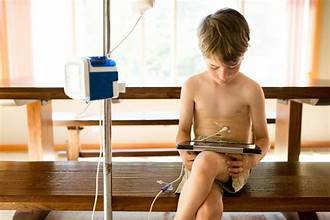
Autistic children may have a very limited selection of foods they are willing or able to eat.
Sensory differences can make certain textures, temperatures, smells, colors, or combinations of food feel overwhelming. A child may also have trouble chewing, swallowing, sitting at the table, or recognizing hunger and fullness.
However, feeding difficulties are not always caused by sensory preferences alone.
Children may also experience:
- Constipation
- Diarrhea
- Abdominal pain
- Reflux
- Food allergies
- Difficulty swallowing
- Pain while eating
- Nutritional deficiencies
A child who cannot clearly describe pain may communicate it through behavior. Sudden aggression, food refusal, sleep disruption, crying, pressing on the stomach, pressing on the stomach, or an increase in self-injury may be signs that something physically hurts.
The American Academy of Pediatrics notes that autistic children experiencing gastrointestinal discomfort may show agitation, sleep changes, or other behavioral changes rather than clearly citing turn731617search48
A major behavioral change should not automatically be dismissed as “just autism.” Sometimes behavior is communication, and sometimes it is communication about a medical problem.
8. Epilepsy and Seizure Disorders
Epilepsy is a neurological condition involving recurring seizures.
Not every seizure looks like the dramatic shaking that many people imagine.
Some possible signs may include:
- Brief staring episodes
- Sudden loss of awareness
- Unexplained repeated movements
- Stiffening of the body
- Sudden falls
- Confusion after an episode
- Unusual movements during sleep
- A loss of previously developed skills
These signs can have different causes, so parents should not try to diagnose seizures themselves. However, unusual episodes should be recorded and discussed with a healthcare professional.
Seizure disorders are recognized as one of the medical conditions that canarch3turn731617search10
Seek emergency medical help for a first seizure, a seizure lasting several minutes, repeated seizures without recovery, breathing difficulty, an injury during a seizure, or whenever your child’s medical team recommends emergency care.
9. Genetic and Chromosomal Conditions
Some autistic children have an identifiable genetic or chromosomal difference. For many others, no specific genetic explanation is found.
Genetic conditions associated with autism can vary widely. Some may also affect growth, movement, learning, speech, muscle tone, seizures, physical health, or development.
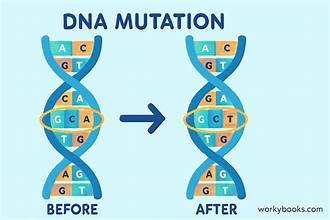
A genetic evaluation may involve:
- Reviewing the child’s medical and developmental history
- Reviewing family history
- A physical examination
- Meeting with a genetic counselor
- Blood or saliva testing
- Discussing what the results may—and may not—explain
Genetic testing does not replace an autism evaluation, and a genetic result may not predict exactly how a child will develop.
Even people with the same genetic difference can have very different strengths, needs, symptoms, and life experiences.
A result may provide useful information, but it can also create new questions. Families should have an opportunity to discuss the results with a qualified genetics professional who can explain what is known and what remains uncertain.
The National Institute of Mental Health and other federal health resources note that a comprehensive autism evaluation may include testing for medical, hearing, or genetic corch25turn731617search31
How Can Parents Tell Whether Something Else Is Going On?
Parents do not need to become medical experts.
You know your child, but you are not expected to identify every condition on your own.

Consider speaking with your child’s pediatrician or specialist when:
- A difficulty is interfering with daily life
- Your child loses a skill they previously had
- A new behavior appears suddenly
- Your child seems to be in pain
- Current supports are not helping
- A challenge does not seem fully explained by autism
- School demands reveal new learning or motor difficulties
- Sleep or eating problems affect your child’s health
- You continue to feel that an important piece is missing
It can help to keep notes describing what happened before, during, and after a concerning event.
Include information such as:
- Time of day
- Location
- Food and sleep
- Medication changes
- Illness or pain
- Sensory conditions
- What the child was asked to do
- How long did his behavior last
- What helped the child recover
Videos may also help a healthcare provider understand unusual movements or episodes, provided recording can be done safely and respectfully.
Keep Asking Questions Without Losing Sight of Your Child
Searching for answers can be exhausting.
You may leave one appointment with relief and another with more questions. You may wonder whether you are overreacting or whether professionals think you are being difficult.
Advocating for more information does not mean you are trying to change your child.
A diagnosis is not your child’s identity. It is information that may help you understand why something is difficult and what kind of support could make life easier.
My son was always the same person, before and after every diagnosis. The answers did not create his challenges or his strengths. They gave us language for some of the things we were already seeing.
Today, I am grateful to say that our long search for diagnoses and testing has come to an end. We have gathered the information we need, and now we can focus on helping our son continue to grow, learn, and become more independent.
You may still be near the beginning of that journey. You may have one diagnosis but feel as though something is still unexplained.
Trust yourself enough to ask questions. Write down your concerns. Request clarification when something does not make sense. Seek another professional opinion when necessary.
You are not betraying your child by searching for answers.
You are trying to understand the whole child standing in front of you—and that understanding can help you offer support based on who your child truly is.
Medical note: This article provides general educational information and is not a substitute for individualized medical advice, diagnosis, or treatment. Speak with a qualified healthcare professional about concerns involving your child’s development, behavior, physical health, or mental health.
Here are a couple of other places to help you find answers:
What Diagnoses Are Commonly Associated With Autism? ScienceInsights.com
Co-Occurring Conditions and Autism AutismResearchInstitute.com