Thanksgiving can be a wonderful time for making memories, but not every child enjoys loud family gatherings, crowded rooms, or traditional holiday activities.
For kids with autism, ADHD, or sensory processing differences, the excitement surrounding Thanksgiving can sometimes become overwhelming.
As a parent of an autistic child, I’ve learned that holiday activities don’t need to be complicated or expensive. Sometimes the simplest activities are the ones our kids enjoy most.
If you’re looking for ways to include your child in Thanksgiving without adding unnecessary stress, here are seven activities worth trying.
1. Create a Thanksgiving Sensory Bin
Sensory bins offer a chance to explore textures through play.
For a Thanksgiving theme, consider using large fabric leaves, soft fabric pumpkins, colorful scarves, or other age-appropriate seasonal materials.
Your child can sort items, explore textures, and create their own pretend fall scene.
Choose materials based on your child’s sensory preferences. Avoid small objects that could pose a choking risk, especially for children who put objects in their mouths.
Remember that some children dislike touching certain textures. Participation should always be optional.
2. Make a Thankful Tree
A thankful tree is a simple activity that encourages families to reflect on things they appreciate.
Draw a tree on a large piece of paper and cut out colorful paper leaves.
Each family member can write, draw, or select a picture of something they’re thankful for.
Your child might choose a favorite toy, family pet, special person, or activity.
There are no wrong answers.
Children who don’t communicate through speech can participate using pictures, gestures, or communication devices.
3. Decorate a Thanksgiving Placemat
Give your child a piece of construction paper and let them decorate their own holiday place mat.
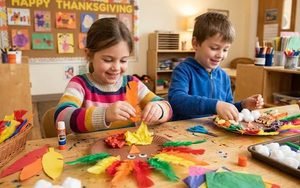
Offer crayons, stickers, stamps, or other familiar art supplies.
If your child dislikes sticky materials or messy crafts, provide alternatives.
You could even laminate the finished placemat and use it during Thanksgiving dinner.
This lets your child add something personal to the celebration.
4. Create a Quiet Thanksgiving Corner
Not every Thanksgiving activity needs to involve constant interaction.
Set up a quiet area with comfortable seating, books, calming activities, and familiar items.
Consider including headphones, fidget toys, a favorite blanket, or other supports your child enjoys.
Make this area available whenever your child needs it, not just after they become overwhelmed.
There’s no rule that a child has to return to the party immediately after taking a break.
5. Try a Simple Thanksgiving Cooking Activity
Cooking together can offer opportunities to practice everyday life skills.
Choose a task that matches your child’s abilities and interests.
They might help wash vegetables, stir ingredients, arrange crackers on a plate, or place napkins beside the dishes.
Supervise closely and avoid hot surfaces, sharp utensils, and other hazards.
If your child doesn’t enjoy handling food, they can participate by reading picture instructions or choosing which dish to prepare.
The experience matters more than a perfect recipe.
6. Go on a Fall Nature Walk
Sometimes the best holiday activity happens away from the noise.
If the weather allows, take a short walk outdoors.
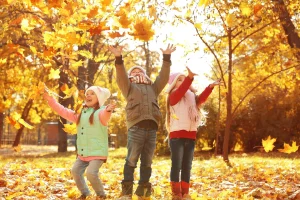
Look for fallen leaves, interesting trees, birds, or other signs of autumn.
Give your child a simple scavenger hunt with pictures of things to find.
Fresh air and a change of environment may provide a welcome break from a busy gathering.
Dress for the weather and choose a safe route that matches your child’s mobility and supervision needs.
7. Make a Thanksgiving Memory Book
After Thanksgiving, create a small memory book about the day.
Include pictures, drawings, or a few sentences about activities your child enjoyed.
You could ask:
“What was your favorite part?”
“Who did you enjoy seeing?”
“What would you like to do again?”
If your child found part of Thanksgiving difficult, include that experience without judgment.
The book can become a helpful reference when preparing for future holidays.
Final Thoughts
Thanksgiving activities don’t have to be elaborate to create meaningful memories.
For some kids, decorating a placemat will be exciting. Others might prefer a quiet walk or time with a favorite book.
The most important thing is giving children opportunities to participate in ways that feel comfortable and enjoyable.
A sensory-friendly Thanksgiving isn’t about removing all the fun. It’s about making sure every family member has a chance to experience it.
And sometimes, those quiet, simple moments become the memories we treasure most.