Many parents want their children to be independent.
We want them to learn to care for themselves, make decisions, and eventually handle more everyday responsibilities.
But when you are raising a child with autism, ADHD, or another developmental disability, the path toward independence may look different.
Some skills come easily.
Others require months of practice, repetition, encouragement, and patience.
And sometimes, when you think your child has mastered something, they need extra help again.
As the parent of an autistic child, I understand how exciting even the smallest steps toward independence can be.
I’ve also learned that independence doesn’t happen overnight.
It’s built through everyday experiences, with the right amount of support.
Let’s explore how parents can help children develop practical life skills, create manageable routines, and build confidence along the way.
What Does Independence Mean for a Child With Autism or ADHD?
When we think about independence, we often imagine someone completing everyday tasks without help.
Children with developmental disabilities, however, independence may mean something different.
For one child, it might mean getting dressed without assistance.
For another, it could mean following a visual morning routine.
A child who uses a communication device to ask for help is also demonstrating an important skill.
Independence is not about doing everything alone. It’s about developing the skills and supports needed to participate more fully in everyday life.
Every child has different strengths and challenges.
That means independence goals should reflect each child’s abilities, needs, and interests.
Why Everyday Life Skills Matter
Daily living skills are the activities we use to take care of ourselves and manage our routines.
These may include:
- Personal hygiene
- Getting dressed
- Preparing simple meals
- Cleaning up after activities
- Managing personal belongings
- Following routines
- Communicating needs
- Recognizing safety concerns
- Making appropriate choices
These skills can help children feel more confident and participate in family, school, and community activities.
They can also reduce frustration when a child understands what they need to do and has the tools to accomplish it.
However, learning these skills may require additional support.
A child with ADHD might understand a task but struggle to remember all the steps.
An autistic child may find unexpected changes in routine especially challenging.
Another child might have motor coordination difficulties that make certain physical tasks harder.
Understanding the reason behind a challenge can help parents choose a better teaching approach.
1. Start With One Skill at a Time
It can be tempting to work on several independence skills at once.
After all, there are so many things we want our children to learn.
But teaching too much at once can overwhelm everyone.
Instead, choose one skill that would make a meaningful difference in your child’s daily life.
For example:
- Putting dirty clothes in a hamper
- Packing part of a school bag
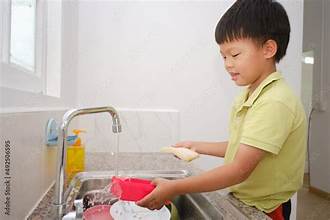
- Washing hands
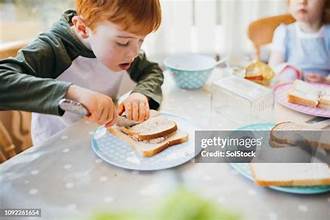
- Preparing a simple snack
- Putting shoes away
- Choosing clothes for the next day
Start with something your child is interested in or can already do partly.
The goal is to create an opportunity for success.
Once your child becomes more comfortable, you can gradually introduce another skill.
How to Choose the Right Skill
Think about three questions:
Is this skill useful?
Will it help your child in everyday life?
Is it achievable with support?
Can your child practice part of the task?
Is it meaningful to my child?
Does the skill connect to something they enjoy or want to accomplish?
For example, a child who enjoys making their own snacks might be motivated to learn how to prepare a simple sandwich.
Starting with a meaningful skill often makes practice more engaging.
2. Break Everyday Tasks Into Smaller Steps
Something that seems like one simple activity to an adult may involve several different skills for a child.

Consider brushing teeth.
The steps might include:
- Getting the toothbrush
- Putting toothpaste on it
- Brushing each section of the teeth
- Spitting or rinsing as appropriate
- Cleaning the toothbrush
- Putting everything away
Some children find it difficult to remember the entire sequence.
Breaking the task into smaller steps makes it easier to teach.
You might start by helping your child complete most of the routine while allowing them to practice one step.
Gradually, they can learn additional steps.
This approach is sometimes called task analysis.
It helps parents and educators identify the individual actions needed to complete a larger activity.
Remember that some tasks, including tooth brushing, may still require adult supervision or assistance even after a child can complete several steps.
3. Use Visual Checklists and Reminders
Many children benefit from seeing what they need to do instead of relying only on spoken instructions.
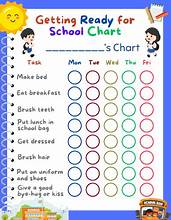
Visual supports may include:
- Picture schedules
- Written checklists
- First-then boards
- Color-coded reminders
- Photographs of familiar objects
- Simple step-by-step charts
For example, a morning routine might show:
Wake up → Get dressed → Eat breakfast → Brush teeth → Pack bag.
Your child can look at the schedule as they move through the morning.
Some children enjoy checking off completed tasks.
Others prefer moving a picture into a finished section.
No single format works for every child.
A child who can read may prefer written instructions.
Another child might respond better to photographs showing their own belongings.
Choose a system that makes sense and is easy for your child to understand.
4. Keep Routines Predictable but Flexible
Predictable routines can help some children with autism or ADHD understand expectations.
When children know what comes next, they may find it easier to begin and complete activities.
For example, an after-school routine could include:
- Put away the school bag
- Have a snack
- Enjoy quiet time
- Complete an agreed-upon activity
- Help with a simple household task
The routine doesn’t have to happen at exactly the same minute every day.
What matters is creating a sequence your child can recognize.
Of course, family life doesn’t always follow a perfect schedule.
Appointments run late.
Weather changes plans.
Children get sick.
That’s why it’s also helpful to teach flexibility gradually.
You might use a “change of plans” card or offer two choices when a familiar activity cannot happen.
This helps your child practice handling changes without expecting them to manage everything independently right away.
5. Give Your Child Time to Respond
One thing we often forget when helping our children is that they may need extra time to process instructions.
As parents, we sometimes jump in quickly because we know what needs to happen.
We’re trying to get everyone ready for school.
Dinner needs to be made.
There are appointments to attend.
And waiting can feel difficult when you’re in a hurry.
But allowing a child reasonable time to respond can create more opportunities for independence.
After giving an instruction, pause.
Observe what your child does.
If they need help, offer a reminder or demonstration.
The goal isn’t to make your child struggle.
It’s to give them a chance to try while keeping support available.
Some days your child may need more assistance than others.
That’s a normal part of learning.
6. Teach Skills Through Everyday Activities
You don’t always need special equipment or expensive programs to practice independence.
Many opportunities already exist in your daily routine.
During Breakfast
Your child might practice choosing a food, carrying a plate, or helping clean up afterward.
Before School
They could practice identifying their belongings, checking their backpack, or choosing appropriate clothing.
After School
They might put shoes in a designated place, unpack a lunchbox, or follow a visual schedule.
During Dinner
Children can help with age-appropriate meal preparation, setting the table, or putting away safe items.
Before Bed
They may practice collecting pajamas, preparing clothes for tomorrow, or following a hygiene checklist.
Choose tasks that match your child’s abilities, and supervise activities involving sharp objects, heat, choking hazards, or other safety concerns.
The more naturally a skill fits into everyday life, the easier it may be to practice consistently.
7. Recognize the Difference Between Assistance and Dependence
Sometimes parents worry that helping their child too much will prevent independence.
But needing support doesn’t mean a child isn’t making progress.
Think about a child learning to tie their shoes.
At first, they may need someone to guide every step.
Eventually, they might need only a reminder.
Later, they may complete the task independently.
Each stage represents learning.
Some children will always need assistance with certain activities.
That doesn’t make their accomplishments less meaningful.
The goal should be to provide the right support, not remove help simply because we think a child should be doing something alone.
If you are unsure how to teach a motor or self-care skill safely, an occupational therapist may offer individualized strategies.
8. Encourage Choice-Making
Independence involves more than completing physical tasks.
It also includes learning to express preferences and make decisions.
Start with manageable choices.
For example:
“Would you like to wear the blue shirt or the green shirt?”
“Would you rather have apple slices or crackers?”
“Do you want to complete this activity before or after your break?”
Offering a small number of realistic choices may help children practice making decisions without feeling overwhelmed.
As their confidence develops, they may be ready for more complex decisions.
And don’t forget that communication looks different for every child.
Children can express choices through speech, pictures, gestures, signs, or communication devices.
9. Use Encouragement Instead of Pressure
Learning a new skill can be frustrating.
Imagine trying to remember several instructions while managing distractions, sensory discomfort, or difficulty coordinating your movements.
What seems simple to an adult may require considerable effort.
That’s why encouragement matters.
Instead of focusing only on the finished task, recognize the effort your child makes.
You might say:
“I noticed you remembered the first step.”
“You worked really hard on that.”
“You asked for help when you needed it.”
“Look how much you’ve learned!”
Use encouragement your child actually enjoys. Some children love enthusiastic praise, while others prefer a quiet acknowledgment.
Avoid comparing your child’s progress with another child’s abilities.
Every child deserves to learn at a pace that respects their individual needs.
10. Track Progress Without Creating More Stress
Keeping a simple record of your child’s developing skills can help you recognize improvements.
You might use a checklist with categories such as:
| Skill | With help | With reminders | Independent |
| Puts backpack away | ✓ | ||
| Gets ready for bed | ✓ | ||
| Puts dirty clothes in hamper | ✓ | ||
| Prepares a simple snack | ✓ |
This is only an example. Some children will need different categories or ongoing assistance.
You don’t need to complete a tracking sheet every day.
Weekly notes may be enough.
Look for patterns over time.
Is your child beginning the task more willingly?
Are they remembering more steps?
Do they seem more confident?
Sometimes those observations tell us more than a simple completed or not-completed checkbox.
11. Work With Your Child’s Support Team
Parents don’t have to teach every independence skill alone.
Teachers, occupational therapists, speech-language pathologists, and other professionals may have ideas that fit your child’s needs.
If your child has an IEP, you can discuss relevant functional skills with the educational team.
Some daily living skills may be appropriate educational goals when they relate to the child’s disability-related educational needs.
Other skills may be better addressed through home practice or community services.
The key is to work together and use consistent strategies when possible.
For example, if your child uses a particular visual reminder at school, it may help to see whether a similar reminder works at home.
Consistent approaches can make routines easier to understand.
12. Remember That Progress Isn’t Always a Straight Line
Some days, your child will surprise you.
Maybe they complete a task independently for the first time.
You feel excited.
You might even wonder if you’ve finally mastered that part of the routine.
Then the next day arrives.
Your child needs reminders again.
It’s easy to feel discouraged.
But learning doesn’t always happen in a perfect upward direction.
Fatigue, changes in routine, emotional stress, and the environment can all affect how a child performs a skill.
Sometimes our children need additional support, even with activities they’ve completed before.
That doesn’t erase their previous accomplishments.
Instead of asking, “Why can’t they do this today?” consider asking, “What support would make this easier today?”
That small change in perspective can make a difference.
A Simple Weekly Independence Plan
If you’re wondering where to start, try this manageable approach.
Monday: Choose one skill and break it into steps.
Tuesday: Show your child how to complete the activity.
Wednesday: Practice together using reminders or visual supports.
Thursday: Let your child try part of the activity.
Friday: Notice which steps went well and which still need support.
Weekend: Continue practicing naturally, without turning every activity into a lesson.
Your child may need more than a week to learn the skill.
That’s completely fine.
This plan is simply a way to get started.
Final Thoughts: Independence Looks Different for Every Child
As parents, we naturally wonder what the future will look like for our children.
Are they be able to care for themselves?
Will they become more confident?
Will they learn the skills they need?
These questions can feel especially important when raising a child with developmental disabilities.
But we don’t have to achieve independence all at once.
We can support it through everyday opportunities.
One new skill.
One successful routine.
One moment when a child discovers they can do something they couldn’t do before.
And sometimes, one moment when they recognize that asking for help is the right thing to do.
Those experiences build confidence.
And confidence helps children continue learning.
The goal isn’t perfect independence. It’s helping our children become as capable, confident, and supported as possible.
One small step at a time.
The routines and visual-support suggestions are consistent with guidance from the CDC and the National Autistic Society.