One of the biggest misconceptions about independence is that it comes from teaching a bunch of life skills all at once. As parents of children with autism and other special needs, we often worry about the future.
Can they take care of themselves?
Will they be able to make good decisions?
Maybe they will be independent as adults?
Those thoughts can feel overwhelming. What I’ve learned over the years is that independence is built one small task at a time.
The everyday things we sometimes overlook are often the skills that build the most confidence.
1. Making a Simple Snack:
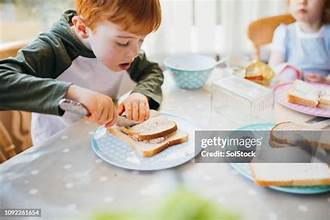
Preparing a snack teaches much more than food preparation. Children learn sequencing, following directions, decision-making, and problem-solving. Even something as simple as making a sandwich, pouring cereal, or opening a yogurt container can build confidence. When children realize they can feed themselves, they begin to see themselves as capable.
2. Choosing Their Own Clothes:
Many parents choose clothing simply because it’s faster. While there are certainly mornings when we need to move quickly, allowing children to make simple clothing choices helps them develop decision-making skills. They learn preferences, responsibility, and confidence in their choices. The outfit may not always match perfectly, but the lesson is often worth it.
3. Cleaning Up After Activities:
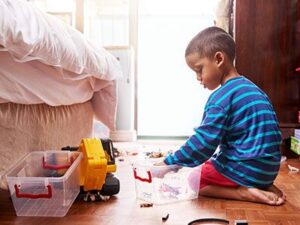
Putting toys away, clearing dishes from the table, or returning items to their proper place teaches responsibility. These tasks help children understand that they play an important role in the household. They learn that their contributions matter.
4. Following a Simple Routine:
Visual schedules and step-by-step routines can help children complete tasks independently. Whether it’s brushing teeth, getting dressed, or preparing for bed, routines reduce anxiety while increasing confidence. The more success children experience completing tasks on their own, the more likely they are to attempt new challenges.
5. Helping With Household Jobs:
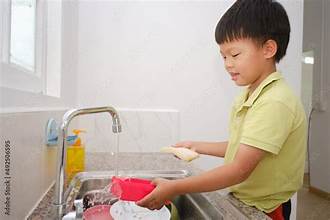
Simple chores can be powerful confidence builders. Folding washcloths, feeding a pet, matching socks, wiping a table, or helping put groceries away all teach valuable life skills. More importantly, they help children feel needed. Every child wants to know they can contribute.
Small Steps Lead to Big Results.
As parents, we sometimes focus on the destination and forget to celebrate the journey. Independence doesn’t happen overnight. It grows through small successes repeated over time.
They make a snack independently.
He puts away the toy.
Every chore completed
Every decision made.
Those small victories are building something much bigger than a life skill. They’re building confidence. And confidence is often the foundation that enables future independence.
As a parent of a child with autism, I’ve learned that progress isn’t measured only by giant milestones.
Sometimes it’s measured by the everyday moments when your child realizes, “I can do this myself.” Those moments matter more than we often realize.