Some kids seem to feel everything more intensely.
Noise can be louder. Busy rooms can feel more chaotic. Unexpected touch can be uncomfortable. Even an excited dog barking, jumping, or racing around the house can become overwhelming.
For families raising kids with autism, ADHD, anxiety, sensory sensitivities, or other special needs, choosing a dog isn’t only about finding a friendly breed.
Sometimes the most important quality is calmness.
A calmer dog may be easier for a child to understand, predict, and eventually trust.
Of course, breed alone never guarantees personality. Every dog is an individual. But some breeds are generally known for temperaments that may work well in quieter households.
Here are seven worth considering.
1. Golden Retriever
Golden Retrievers are popular family dogs for good reason.
They tend to be affectionate, trainable, and interested in being near their people. Many enjoy simply lying beside someone once their exercise needs have been met.
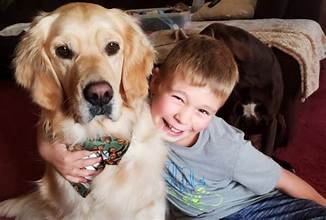
That can be comforting for a child who doesn’t necessarily want constant interaction but likes having a companion nearby.
Young Goldens can be energetic, though. For a child who is easily overwhelmed by jumping and excitement, a calm adult Golden may be easier than a puppy.
2. Cavalier King Charles Spaniel
The Cavalier King Charles Spaniel is much smaller than a Golden but can still offer plenty of companionship.
Many Cavaliers enjoy cuddling and staying close to their families.
Their smaller size can also feel less intimidating to a child who isn’t comfortable around large dogs.
Before choosing one, families should learn about the breed’s health concerns and look carefully at the health history of any dog they are considering.
3. Basset Hound
Basset Hounds are not generally known for bouncing off the walls.
They often prefer a slower pace, which can make them interesting candidates for families that want a more laid-back companion.
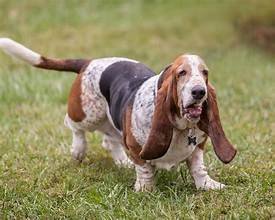
Their long ears and unique appearance may also appeal to kids who love animals but become overwhelmed by highly energetic behavior.
They can be stubborn, however, so patience with training is important.
4. Newfoundland
Newfoundlands are enormous dogs, but many have gentle personalities.
For some sensory-seeking kids, a very large dog lying quietly nearby may provide a reassuring physical presence.
But size matters.
A Newfoundland can accidentally knock someone over simply because of its body size. They also require grooming, space, exercise, and a larger budget for food and veterinary care.
They are definitely not the right fit for every family.
5. Bernese Mountain Dog
Bernese Mountain Dogs are another large breed that many families appreciate for their affectionate nature.
Their thick coats and large bodies can make them appealing to kids who love soft textures and close contact.
However, they shed heavily. If loose hair is a sensory trigger, this may not be a good match.
They also have significant health considerations that families should research before making a decision.
6. Havanese
For families who want something smaller, the Havanese may be worth considering.
They are companion dogs that typically enjoy spending time with their people.
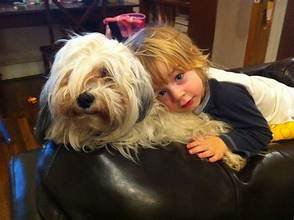
Their smaller size can make everyday care easier for some households, especially those that don’t have room for a large breed.
They still need training, grooming, play, and attention, but they may be easier to manage physically than a larger dog.
7. Standard Poodle
Standard Poodles are extremely intelligent dogs and can be wonderful family companions in the right home.
They are trainable, people-oriented, and often enjoy having something to do.
Their coats shed differently than those of many other breeds, although no dog is guaranteed to be allergen-free.
Poodles also need exercise, mental stimulation, and regular professional or at-home grooming.
Calm Doesn’t Mean No Exercise
This is an important distinction.
A calm dog isn’t necessarily a dog that wants to sleep all day.
Many calm breeds still need daily walks, play, training, and mental activity.
Often, what families are really looking for is a dog that can settle down after those needs have been met.
That’s very different from expecting a dog to naturally remain quiet without exercise.
Watch the Individual Dog
I would never choose a dog based on breed alone.
Spend time with the actual dog if you can.
Watch what happens when something unexpected occurs.
Will the dog recover quickly?
Does it constantly demand attention?
Does it bark at every little sound?
Can it relax when nothing is happening?
For a child who becomes overwhelmed easily, those observations can matter much more than the breed name on a piece of paper.
Final Thoughts
The best calm dog for your child isn’t necessarily the breed someone ranks number one online.
It is the dog whose personality fits your child’s needs.
Some kids want a dog beside them constantly.
Others need personal space.
Some find a large dog comforting, while others feel safer with a smaller companion.
Start with your child.
Then find the dog.
Because when the match is right, a dog doesn’t have to add more stimulation to your child’s world.
Sometimes, they can become one of the calmest parts of it.