Choosing a dog for a family is a big decision. When you have a child with autism or sensory needs, there can be even more to think about.
Some kids love the feeling of soft fur and the comfort of having an animal nearby. Others may be overwhelmed by barking, jumping, licking, or unpredictable movements.
That means the “best” dog isn’t necessarily the cutest breed or even the breed everyone recommends.
The best dog is the one whose personality, energy level, size, and needs fit your particular child and family.
As a parent of an autistic child, I know how important it is to think beyond what works for an average household. What feels like a small thing to someone else—a bark, a wet nose, an excited dog running through the room—can feel very different to a child with sensory sensitivities.
Let’s look at some dog breeds that may be worth considering for families raising kids with autism and sensory needs.
What Makes a Dog a Good Match for a Child With Autism?
Before looking at breeds, it helps to think about the qualities you actually want in a dog.
For many special needs families, these may include:
- A calm and predictable temperament
- Gentle behavior around children
- Good trainability
- Lower tendency toward excessive barking
- Patience with repetitive behavior
- Affection without constantly demanding attention
- An energy level that fits your household
- Comfort around movement, noise, or unusual behaviors
But every child is different.
One autistic child may desperately want a dog that cuddles on the couch.
Another may prefer a dog that lies nearby.
One child may love walking or playing outside for hours, while another may become overwhelmed by a high-energy dog.
That’s why I always believe the individual dog matters just as much as the breed.
1. Golden Retriever
Golden Retrievers are often among the first breeds families think of when looking for a gentle family dog.
There is a reason for that.
They are generally friendly, affectionate, social, and eager to spend time with their families. They are also highly trainable, which can be helpful when a household needs clear routines and boundaries.
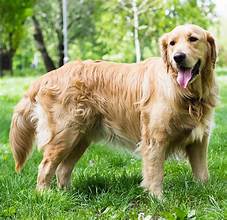
For some children, a Golden Retriever’s larger size can also provide comforting physical contact.
They may enjoy lying beside a child while the child reads, watches television, or decompresses after a difficult day.
Things to consider
Golden Retrievers do need regular exercise.
Young Goldens can also be energetic and enthusiastic. A puppy jumping or running around may be too much for a child who is sensitive to unpredictable movement.
For some families, an older Golden with a known temperament may be a better match than a puppy.
2. Labrador Retriever
Labrador Retrievers are another popular choice for families with children.
Labs tend to be friendly, trainable, people-oriented dogs.
They are also frequently chosen for service-dog work because they generally enjoy learning and working with people.
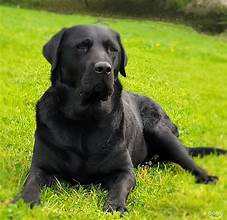
For an active child, a Labrador can be a wonderful companion for walks, outdoor play, or simply exploring together.
They can also become deeply attached to their families.
Things to consider
Labs can have a lot of energy, especially when they are young.
If your child becomes overwhelmed by jumping, licking, bumping, or fast movement, training will be particularly important.
An adult Lab with an established personality may be easier to evaluate than a young puppy.
3. Standard Poodle
Standard Poodles sometimes get overlooked because people picture the fancy show-dog haircut.
But underneath the haircut is an extremely intelligent and trainable dog.
Standard Poodles can form very strong bonds with their families and often enjoy learning new tasks.
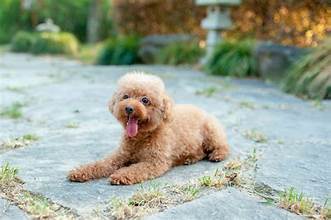
Another reason some families consider Poodles is their coat. They shed differently than many other dogs, although no dog should automatically be considered completely allergen-free.
Things to consider
Poodles require significant grooming.
They also need mental stimulation and exercise.
A bored Poodle can create its own entertainment, which may not always be the kind of entertainment you had in mind!
4. Cavalier King Charles Spaniel
For families who prefer a smaller dog, the Cavalier King Charles Spaniel may be worth researching.
Cavaliers are often affectionate and enjoy being physically close to their people.
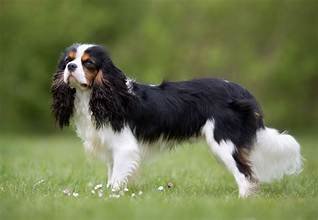
Their smaller size may also work better for families living in smaller homes or for children who are intimidated by large dogs.
Some children find it comforting to have a smaller dog curled up beside them rather than a 70-pound dog leaning against them.
Things to consider
Cavaliers can have important inherited health problems, so families considering this breed should carefully research health testing and responsible breeders.
Their smaller size also means children need to learn how to handle them gently.
5. Havanese
The Havanese is another small breed that may work well in certain special-needs households.
They tend to be social companion dogs that enjoy being around their families.
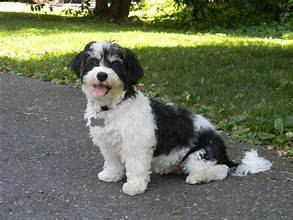
Their size makes them easier for some families to manage, especially if a large dog would be physically overwhelming for the child.
They can also be playful without requiring as much physical exercise as some larger working breeds.
Things to consider
Their coats require regular care.
Some Havanese can also be quite attached to their people, so families should consider how much time the dog will spend alone.
6. Newfoundland
If your family has room for a very large dog, the Newfoundland is worth considering.
Newfoundlands are well known for their gentle nature.

Their size can also provide a strong physical presence that some sensory-seeking kids may find comforting.
Imagine a huge, fluffy dog calmly lying on the floor beside your child.
For the right child, that can feel incredibly reassuring.
Things to consider
And when I say large, I mean large.
Food, grooming, veterinary care, transportation, and general dog supplies can all cost more with a giant breed.
They also drool.
For a child with strong sensory sensitivities around wet textures, that seemingly small detail could actually become a major issue.
7. Bernese Mountain Dog
Bernese Mountain Dogs are another large breed known for forming strong relationships with their families.
They are often described as affectionate and gentle.
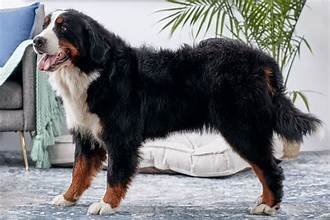
Their thick coat and large body may provide the kind of comforting physical presence some children enjoy.
They can be wonderful family companions when their needs fit the household.
Things to consider
Their size isn’t right for everyone.
They also shed heavily and can have significant breed-related health concerns.
For a child who dislikes loose fur on clothing, furniture, or hands, shedding should be taken seriously.
That’s exactly why sensory needs should be part of the decision.
8. Collie
Collies are intelligent dogs that often form close relationships with their families.
They tend to be responsive to people and can learn household routines quickly.
For a child who enjoys interaction and participating in training, teaching a Collie tricks or simple commands could even become an activity they enjoy doing together.
Things to consider
Some Collies can be vocal.
If barking is a major sensory trigger for your child, you would want to investigate it carefully before choosing one.
The Best Breed on Paper May Not Be the Best Dog for Your Child
This is probably the most important part of the entire article.
You could read ten lists of the “best dogs for autistic kids” and still discover that the breed ranked number one isn’t right for your child.
Because you’re not choosing a breed.
You’re choosing a living animal with an individual personality.
One Labrador may be calm enough to sleep through chaos.
Another may bounce around the house carrying somebody’s sneaker.
One Golden Retriever may love cuddling.
Another may prefer lying several feet away.
That’s why meeting the actual dog whenever possible is so important.
Think About Your Child’s Sensory Needs
Before bringing a dog home, consider what your child finds calming and what tends to overwhelm them.
Ask yourself:
How does my child react to barking?
Some dogs naturally vocalize more than others.
Does my child like being touched?
A dog that constantly nudges, licks, or climbs into someone’s lap may be wonderful for one child and overwhelming for another.
How does my child respond to movement?
Young dogs and puppies can move quickly and unpredictably.
What about smells?
Dogs have smells. Their food has smells. Wet dogs definitely have smells.
For some sensory-sensitive children, those things matter.
Would shedding bother my child?
Loose fur on clothing, furniture, or hands may create an unexpected sensory issue.
These details can matter far more than whether a particular breed appears on someone’s “Top 10” list.
Don’t Automatically Rule Out an Adult Dog
Families often picture bringing a puppy home.
But an adult dog may actually be easier for some special needs families.
With an adult dog, you may have a much clearer idea of:
- Energy level
- Size
- Personality
- Barking habits
- Comfort around children
- Reaction to noises
- Training level
Puppies are adorable.
They’re also unpredictable, mouthy, energetic, and still learning how the world works.
That can be a lot for any family.
For a child who needs predictability, a calm adult dog with a known temperament could potentially be the better choice.
A Family Pet Is Different From a Service Dog
It’s also important to separate two very different ideas.
A wonderful family dog may provide comfort, companionship, routine, and emotional connection.
That doesn’t automatically make the dog a service dog.
Service dogs are individually trained to perform specific tasks that assist a person with a disability.
Families who are specifically considering a service dog have additional things to think about, including training, tasks, cost, and whether a service dog is appropriate for their child’s particular needs.
We’ll be talking more about those differences later in this series.
There Is No Perfect Dog for Every Autistic Child
I wish there were a simple answer.
Pick Breed A, and everything will work perfectly.
Parenting doesn’t usually work that way, and neither does choosing a pet.
What works beautifully for one autistic child might completely overwhelm another.
Instead of asking:
“What is the best dog for autism?”
I think a better question is:
“What kind of dog would fit my child’s needs and our family’s everyday life?”
That’s where you are much more likely to find the right answer.
Final Thoughts
Dogs can bring something very special into a child’s life.
They can become companions, playmates, walking buddies, quiet friends, and sometimes simply a comforting presence during a difficult day.
But finding the right dog for a child with autism or sensory needs requires looking beyond breed popularity.
Think about your child’s sensitivities.
What about the dog’s energy level?
Think about noise, grooming, size, exercise, training, and everyday life.
And most importantly, remember that you are choosing a dog for your child and your family, not for a list on the internet.
The right match isn’t necessarily the dog everyone else recommends.
It’s the dog that fits comfortably into the unique little world your family has created.