It’s easy to picture a particular type of animal when families begin to consider getting a pet.
Maybe you have always wanted a big, fluffy dog.
It’s possible that your child has a preference for a particular breed because of a film, a television program, or a book. You might be imagining the scene of taking home a small puppy or kitten and then watching your child grow up with it.
It’s reasonable to have such dreams. We all have some image in our minds of what an ideal family pet should be like. However, the kind of pet you want for a child with special needs might not be the kind of pet that your child really needs.
Looks Are Not the Most Important Thing
You easily fall in love with an animal since it is cute.
A puppy with floppy ears is difficult to resist. A small kitten might appear to be the ideal new member of the family. If you own a particular breed, it could bring back memories of a pet you had as a child.
That doesn’t mean you can tell from an animal’s appearance whether it will be a good fit for your home.
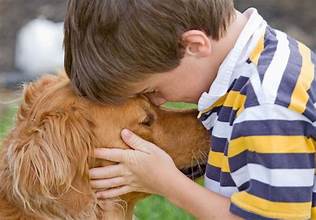
A beautiful dog can be quite energetic, loud, or easily excited. A little kitten can scratch, climb, knock things over, and manage to wake everybody up in the middle of the night.
Although small animals may seem easy to care for, they still require frequent cleaning, careful handling, and a quiet environment. For families involving special needs, temperament is far more important than appearance.
Think About What Your Child Can Handle
Different children react to animals in different ways.
There are some children who enjoy movement and noise, while others get overwhelmed by barking, jumping, licking, shedding, or by sudden activity.
Some children enjoy cuddling with animals, while others prefer it when a pet stays near them without asking for physical affection. It is possible that your child will need an animal that is calm, patient, and predictable.
It would be better to take an older pet whose personality is already established than one that is still learning. They could benefit from having a pet that likes gentle interaction but is also at ease in walking away when it needs a break.
A pet that is suitable for your child should align with your child’s sensory needs, energy level, and ability to understand boundaries.
Puppies and Kittens Are Not Always the Best Choice
Puppies and kittens are lovely, but they also need a lot of effort. Puppies can chew, nip, bark, jump, have accidents, and require regular training.
Kittens have the habit of scratching, climbing on furniture, knocking things over, and being quite active at unexpected moments.

For a family already managing school, therapy, appointments, work, and daily routines, the demands of a young animal may become overwhelming.
In some cases, a calm adult pet is the better option.
An adult animal could already be house-trained, more established, and easier to understand, and the shelter or rescue might be able to provide further information about the animal’s personality and behavior.
Choosing an older pet does not mean you lose anything. That could involve selecting a companion who is better suited to fit into your family.
The Animal Has Needs Too
It should be borne in mind that a pet is not merely a tool for helping a child.
The animal has its own feelings, as well as its own limits and needs.
A pet should have a safe place to rest and must be left alone when eating or sleeping; it also needs to be protected from rough handling, being chased, loud behavior, and excessive attention.
An animal, even a gentle one, will react if it is frightened or feels trapped. Just because of that doesn’t mean it’s a bad pet.
That is because both the child and the animal need support, supervision, and clear boundaries. The best relationships are those in which both people’s needs are respected.
Let Go of the Perfect Picture
It may happen that the animal that suits your family is not the one you first thought of.
Even if you had wanted a big dog, you might come to the realization that a quieter and smaller animal would be easier for your child to manage. Although your child might ask for a puppy, an older dog could be more patient and easier to predict.

Even if you prefer long-haired cats, a short-haired one might be easier for a child who has sensory sensitivities. You could even conclude that this is not the right time to have any kind of pet. The decision may be difficult, but it might also be wise.
We parents usually have to let go of the image we have in our minds and focus instead on what our children actually need.
Final Thoughts
The one that would be the best pet for your family needn’t be the cutest, youngest, most popular, or most expensive.
It could be the calm dog that waits patiently. The older cat might enjoy having quiet company. It could be the small animal that fits into your routine. Alternatively, you might choose to wait until your child and family are better prepared.
It is not about choosing the animal you have always wanted when selecting a pet. What one is looking for is a companion who can safely and happily become a member of your family. And sometimes, the pet you never expected becomes the one you cannot imagine living without.