After thinking about the possible benefits of adding a pet to your family, the next question is usually a simple one:
Are we actually ready?
For a special needs family, that answer may depend on much more than whether your child loves animals.
You also have to consider sensory needs, safety, routines, supervision, finances, and the amount of care the pet will need every day.
There may never be a perfectly perfect time to bring a pet home. However, there are signs that can help you decide whether your family is moving in the right direction.
1. Your Child Can Follow Basic Animal-Safety Rules
One of the most important signs that your family may be ready for a pet is that your child can begin learning how to treat an animal safely.
Your child does not need to understand every rule perfectly. Many children need reminders, visual supports, repetition, and close adult supervision.
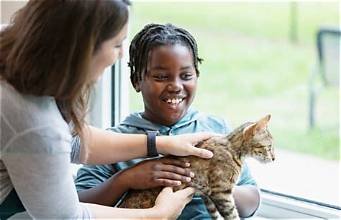
However, they should be able to begin practicing rules such as:
- Use gentle hands.
- Do not pull fur, ears, or tails.
- Do not chase the animal.
- Leave the pet alone while it is eating or sleeping.
- Give the pet space when it walks away.
- Ask an adult before picking up a small animal.
Some children become very excited around animals. They may talk loudly, move quickly, hug too tightly, or want to follow the pet everywhere.
That does not automatically mean your child cannot have a pet. It simply means you must honestly consider whether those behaviors can be managed safely.
A pet needs to feel secure in its own home too.
2. Your Child Has Had Positive Experiences Around Animals
Before adopting a pet, it helps to see how your child responds to animals in real situations.
A child may love pictures of dogs but become frightened when a dog barks. They may say they want a cat but dislike the feeling of fur on their hands or clothing.
Try spending time with calm animals belonging to trusted friends or family members.
Watch how your child responds when the animal:
- Moves unexpectedly
- Makes noise
- Walks away
- Approaches for attention
- Does not want to be touched
Pay attention to your child’s body language and stress level.
Do they seem relaxed?
Are they able to listen to safety reminders?
Can they stop touching the animal when asked?
Do they enjoy the interaction after the first few minutes of excitement?
One good visit does not guarantee that your child is ready for a pet, but several positive experiences can give you helpful information.
3. Your Family Can Handle Another Daily Routine
Pets need care every single day.
They still need food, water, exercise, cleaning, and attention when the family is busy, tired, sick, or having a difficult day.
Special needs families often have packed schedules. There may be therapies, appointments, school meetings, medications, transportation needs, and unexpected challenges.
Before bringing home a pet, think about how animal care would fit into your current routine.
Who will feed the pet in the morning?
Who will clean the litter box, cage, or tank?
Who will walk the dog when it is cold, raining, or snowing?
Who will care for the animal when your family travels?
Children can help with age-appropriate tasks, but the adults must be prepared to handle all of the pet’s care.
A child may promise to do everything before the pet arrives. However, children can lose interest, forget, become overwhelmed, or have days when they cannot manage the responsibility.
The pet’s care cannot depend entirely on the child.
4. Your Family Is Financially Prepared
Pets bring love and companionship, but they also bring expenses.
The costs may include:
- Food
- Veterinary visits
- Vaccinations
- Grooming
- Training
- Medication
- Bedding or litter
- Toys and supplies
- Emergency medical care
- Boarding or pet sitting
Some pets cost more to care for than others. A large dog may need more food. A long-haired animal may require professional grooming. Older pets may need medication or more frequent veterinary visits.
Your family does not need unlimited money, but you should have a realistic plan for both regular and unexpected expenses.
It may help to write down the estimated monthly cost before making a decision.
Planning ahead can reduce stress and help you choose a pet that fits your household budget.
5. Everyone in the Home Agrees on the Responsibility
A pet affects the entire household.
Even if the pet is intended primarily as a companion for your child, everyone will live with the noise, mess, routines, and responsibilities.
Before adopting, talk honestly with every family member.
Who wants the pet?
Who is nervous about the idea?
Does anyone have allergies?
Is someone sensitive to barking, smells, fur, feathers, or sudden movement?
Are the adults willing to handle training, supervision, and veterinary care?
It is important to decide what will happen if caring for the pet becomes harder than expected.
Having these conversations before bringing an animal home can prevent resentment later.
A pet should not become one person’s responsibility simply because everyone else lost interest.
You Do Not Have to Rush the Decision
Your family may meet some of these signs, but not all of them.
That is okay.
You may decide to spend more time around animals before making a commitment. You may need to work on safety rules, adjust your budget, or wait for a less stressful season.
You might also realize that a different kind of pet would be a better fit for your family.
A dog may require more time and exercise than your schedule allows. A cat may be a calmer choice. A smaller animal may seem easier, although cages and tanks still require regular cleaning and care.
The goal is not to get a pet as quickly as possible.
The goal is to find the right match at the right time.
Final Thoughts
A pet can bring comfort, companionship, routine, and joy to a family with special needs.
But love for animals is only one part of being ready.
Your child needs support learning safe boundaries. The adults need enough time, energy, and money to care for the pet. The animal’s personality and needs must also fit the home.
Take your time. Ask questions. Spend time with different animals. Be honest about what your family can manage.
Saying “not yet” is not disappointing your child.
It may be the responsible choice that helps your family have a safer and more successful pet experience in the future.