As parents of children with autism and special needs, we often find ourselves balancing two very different emotions at the same time.
We want to help our children grow.
But we also never want to push them faster than they are ready.
That balance can feel hard.
We know independence matters and that each child with autism or special needs has unique readiness levels. Tailoring support to their individual pace helps prevent unintentional pressure and promotes genuine confidence.
Many of us have been there.
You encourage your child to try something new, such as brushing their teeth independently or getting dressed. Watch for signs of stress or frustration, and respond with patience to keep the experience positive.
You wonder:
“Am I pushing too hard?”
“Am I helping enough?”
“Should I step in?”
The good news is that building independence does not have to feel overwhelming.
Often, the most meaningful progress happens through gentle support and small opportunities.
Here are five ways to encourage independence without creating unnecessary stress.
1. Give Choices Instead of Demands
Children often feel more confident when they have some control over decisions.
When children feel like something is happening to them, resistance can sometimes appear quickly. But when they feel included, cooperation often becomes easier.
Instead of:
“Put this shirt on.”
Try:
“Would you like the blue shirt or the green shirt?”
Instead of:
“Brush your teeth right now.”
Try:
“Do you want to brush your teeth before pajamas or after pajamas?”
The task itself still happens.
But your child feels a sense of ownership in the process.
Even small choices can help build confidence and decision-making skills.
2. Break Big Tasks Into Smaller Steps
Sometimes we accidentally see one task while our children see ten.
Take getting ready for school:
Adults may think:
“Get ready.”
Children may be processing:
- Get dressed
- Find socks
- Brush teeth
- Pack backpack
- Put shoes on
- Grab lunch
- Find jacket
That is a lot.
Breaking tasks into smaller steps can make them feel more manageable.
Try:
Now on a shirt
Put on pants
Put on socks
Brush teeth
Put shoes on
Small successes help prevent overwhelm.
3. Visual supports can help children feel understood and secure by making expectations clearer, which builds their confidence.
Visual supports can reduce stress by making expectations easier to understand.
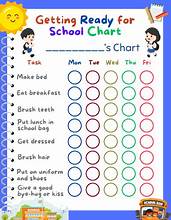
Examples include:
- Picture schedules
- Step-by-step charts
- Checklists
- Timers
- Routine boards
Visual reminders help children know:
“What am I doing?”
“What comes next?”
“When am I finished?”
Predictability often creates comfort.
And comfort creates confidence.
4. Giving extra time demonstrates patience and respect, helping parents feel compassionate and fostering a calm environment for children.
This one can be difficult because life feels busy.
Parents are often rushing to work, appointments, school, therapies, dinner, laundry, and about twenty other things happening at the same time.
Sometimes stepping in feels faster.
And honestly, sometimes we do need to step in.
But when possible, allowing extra time gives children opportunities to practice.
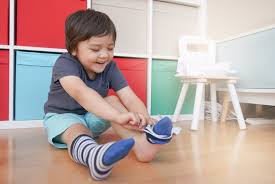
Your child might take longer to zip their coat.
Maybe they need extra time to put their shoes on.
Maybe they are still figuring out how to pack their backpack.
Those extra minutes can become opportunities for practice.
Progress sometimes needs room to happen.
5. Celebrating effort helps children feel proud and motivated, reinforcing resilience and building their self-esteem.
This may be one of the most powerful shifts parents can make.
Children can become discouraged when they feel success only counts if they do something perfectly.
Instead of saying:
“You did it perfectly!”
Try saying:
“I saw how hard you worked.”
Or:
“You kept trying even when it felt hard.”
Or:
“You did more by yourself today than yesterday.”
Effort teaches resilience.
And resilience builds confidence.
Final Thoughts
As parents, we often worry about helping our children become independent.
But independence does not result from pushing children harder.
Grows through patience.
It grows through practice.
It grows through feeling safe enough to try.
And sometimes the most beautiful moments happen quietly.
Your child may be able to put their shoes on without help.
Maybe they remember one step in a routine.
Maybe they try something new all on their own.
Those moments may seem small.
But small moments have a way of becoming very big milestones later.