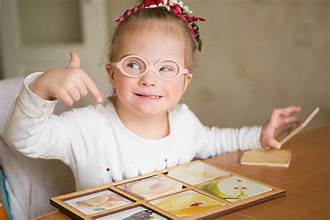
Visual supports can sometimes become little lifesavers for families. Many children with autism and other special needs feel more comfortable when they can actually see what is expected, what comes next, and how their day is going to look.
For many parents, visual supports sound complicated at first. The good news is they do not need to be expensive, fancy, or time-consuming. Sometimes, simple ideas can make daily routines smoother and reduce stress for everyone in the house.
Here are five visual supports that many families find helpful.
1. Visual Schedules
Visual schedules help children understand daily routines.
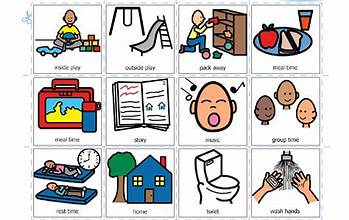
These can include:
- Pictures
- Icons
- Words
- Printable cards
- Whiteboards
Helpful routine ideas:
- Morning routines
- School routines
- Bedtime
- Chores
- Homework
When children know what comes next, anxiety often decreases.
2. First–Then Boards
A First–Then board keeps instructions simple.
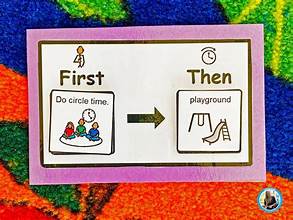
Example:
First: Brush teeth
Then: Watch your favorite show.
This approach helps children focus on one step at a time rather than feeling overwhelmed by an entire routine.
3. Emotion Charts
Sometimes children struggle to explain how they are feeling.
Emotion charts can help children identify emotions like:
🙂 Happy
😟 Worried
😡 Frustrated
😢 Sad
😴 Tired
These charts can create opportunities for conversations before frustration builds.
4. Choice Boards
Children can sometimes become overwhelmed when asked open-ended questions.
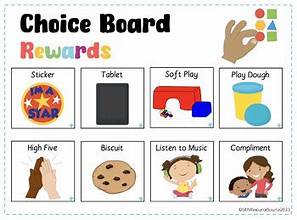
Instead of asking:
“What do you want for a snack?”
A choice board might show:
🍎 Apple
🥨 Pretzels
🧀 Cheese stick
Providing visual choices can make communication easier.
5. Visual Timers
Many children understand visual information better than spoken reminders.
Visual timers can help with:
- Leaving activities
- Homework
- Bedtime
- Screen time
- Daily transitions
Actually seeing time pass can reduce frustration and unexpected changes.
Final Thoughts
Visual supports are not about making life perfect.
They are about making life feel more predictable.
Sometimes a small picture schedule on the refrigerator or a simple timer on the kitchen counter can make a surprisingly big difference.
As parents, we often feel pressure to have all the answers. But many times it is the small supports that quietly help our children succeed.
Which visual support has helped your family the most? Share below — your idea might help another parent.