Friendly reminder for parents: progress does not always happen in giant leaps. Sometimes it happens in tiny moments that are easy to miss until one day you realize just how far your child has come.
As parents of children with autism and special needs, we often spend a lot of time thinking about the future. We wonder:
“Will they be independent?”
“Will they be okay?”
“Am I teaching enough?”
Those thoughts can feel heavy, especially when progress seems slow or setbacks occur. Remember, patience and persistence are key, and small victories build toward bigger independence over time.
Sometimes we picture independence as huge milestones — getting a driver’s license, living on their own, getting a job, or handling big responsibilities. But independence rarely starts there. Recognizing small steps helps parents feel hopeful and reassured about progress.
Starts with small things.
It starts with a child pulling up their own zipper.
It starts with remembering to brush their teeth without needing a reminder.
They are asking for help instead of shutting down.
Those little moments can feel ordinary in the moment, but over time, they build confidence, skills, and self-belief.
The beautiful thing is that independence does not mean expecting perfection. It simply means helping our children learn skills that allow them to participate more fully in their own lives.
Here are ten small independence skills that can eventually lead to very big wins.
1. Learning to Get Dressed Independently
Getting dressed may seem like a simple daily routine, but for many children with autism and special needs, it can involve several challenges:
- Sensory issues
- Fine motor difficulties
- Trouble remembering steps
- Frustration with buttons, zippers, or socks
Start small.
Instead of expecting your child to complete the entire process alone, break it into manageable pieces. This approach can help parents feel more confident in guiding their children through small, achievable steps.
Examples:
- Pulling on socks
- Choosing clothing
- Zipping a jacket
- Matching shoes
Visual charts or laying clothes out in order can make a huge difference.
Remember: mastering one small piece is still progress.
2. Brushing Teeth and Personal Hygiene
Personal care skills are important for long-term independence, but they can also become one of the biggest daily struggles.
Sensory sensitivities may make toothpaste textures or flavors, or toothbrushes, uncomfortable.
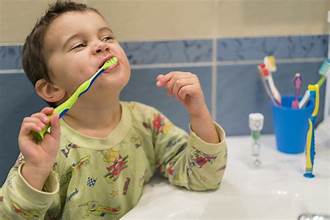
Try:
- Visual step charts
- Timers
- Fun toothbrushes
- Practice routines
- Praise for effort
You are not aiming for perfect brushing on day one.
You’re building comfort and consistency.
3. Following a Simple Routine
Many children thrive when routines become predictable.
Simple routines might include:
Morning:
- Wake up
- Get dressed
- Brush teeth
- Eat breakfast
- Put on shoes
Evening:
- Bath
- Pajamas
- Story time
- Bed
Over time, children begin remembering these steps on their own.
That is independence growing quietly in the background.
4. Packing Their Own Backpack
This may seem tiny, but it teaches:
- Responsibility
- Organization
- Memory skills
- Problem solving
You can create a simple checklist:
Folder
Lunch
Water bottle
Homework
Comfort item if needed
Eventually, children may begin checking items themselves.
5. Asking for Help
Parents sometimes focus heavily on doing things independently, but knowing when to ask for help is also a life skill.
Children need to learn:
- “I need help.”
- “I don’t understand.”
- “Can you show me?”
Being able to communicate needs prevents frustration and builds confidence.
Asking for help is not a weakness.
It is a strength.
6. Learning Small Household Chores
Children often enjoy helping when tasks feel achievable.
Simple chores might include:
- Feeding pets
- Putting toys away
- Matching socks
- Wiping a table
- Throwing trash away
Children gain confidence when they see:
“I can do this.”
7. Making Small Choices
Choices help children feel more in control.
Examples:
- Red shirt or blue shirt?
- Apple slices or crackers?
- Read a book or color?
Making choices teaches:
- Decision-making
- Communication
- Confidence
Small choices eventually lead to wider choices later in life.
8. Basic Safety Skills
Safety skills can take time and repetition.
Examples include:
- Learning their full name
- Knowing a parent’s name
- Recognizing safe adults
- Understanding stop signs
- Learning basic home rules
Visual supports and role-playing can help children understand these concepts more clearly.
9. Communicating Needs and Feelings
Children who can identify and express feelings often experience less frustration.
Simple phrases may include:
- “I’m tired.”
- “I’m overwhelmed.”
- “I need a break.”
- “I’m hungry.”
Pictures, communication devices, or emotion charts can also help.
Every child communicates differently.
The goal is communication — not perfection.
Learning that mistakes are okay is crucial.
Children may fear failure, but guiding them to see mistakes as part of learning builds resilience and encourages continued effort, both of which are essential for developing independence. Children may fear failure, but guiding them to see mistakes as part of learning builds resilience and encourages continued effort, both of which are essential for developing independence.
This may be one of the most important skills of all.
Children sometimes become afraid of making mistakes.
They may avoid trying something new because they worry about getting it wrong.
But independence grows when children learn:
- Mistakes are okay
- Practice helps
- Trying matters
Sometimes our children need permission to struggle a little so they can discover what they are capable of.
Final Thoughts
As parents, we often look so far ahead that we accidentally miss the progress happening right in front of us.
We worry about adulthood while our child is quietly learning something amazing today.
I hope they zipped their jacket today.
Maybe they put their plate in the sink.
Maybe they asked for help instead of melting down.
Those moments matter.
Those moments count.
Because independence is rarely built in giant leaps.
It is built one small win at a time.
And one day, you’ll look back and realize those tiny victories were never tiny at all.