Halloween is a wonderful opportunity for neighborhoods to come together.
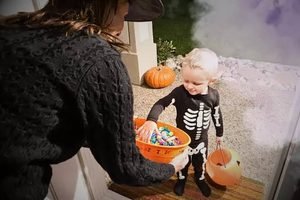
Children dress up in their favorite costumes; for example, families walk from house to house, and neighbors enjoy seeing all the excitement.
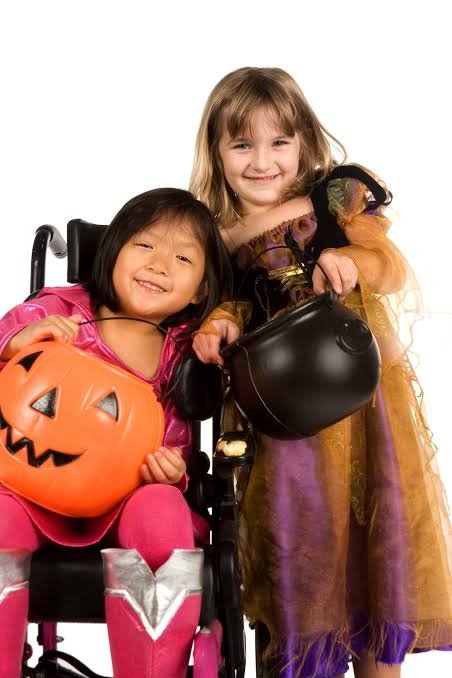
But have you ever thought about how Halloween might feel for a child with a disability?
For children with autism, ADHD, physical disabilities, or communication difficulties, something as simple as approaching a neighbor’s front door can present unexpected challenges.
The good news is that making Halloween more welcoming doesn’t have to be difficult or expensive.
Sometimes, the smallest changes can make the biggest difference.
Here are seven ways to help every child feel included this Halloween.
1. Remember That Not Every Child Can Say “Trick or Treat”
When children come to your door, it’s natural to expect an excited “trick or treat!”
But not every child communicates verbally.
Some children use communication devices, pictures, gestures, or sign language.
Others may become nervous around unfamiliar adults.
And some children simply need extra time to respond.
Don’t insist that a child speak before receiving candy.
A friendly smile and a simple “Happy Halloween!” can be more than enough.
2. Make Your Walkway Accessible
Take a few minutes to look at your front walkway from someone else’s perspective.
Are there decorations blocking the path?
Are electrical cords stretched across the sidewalk?
Could someone using a wheelchair or walker easily reach your treats?
Try to remove obstacles and provide adequate lighting.
If your doorway has steps, consider setting up a treat station at an accessible location, such as the end of your driveway, where it can be reached safely.
These small adjustments may help more children participate.
3. Consider Turning Down Loud Decorations
Halloween decorations can be fun, but sudden screams, flashing lights, and unexpected movements can overwhelm children with sensory sensitivities.
You don’t have to remove all your decorations.
Instead, consider creating a calmer area where children can approach without being startled.
Soft lighting, friendly pumpkins, and quieter displays may make your home more comfortable for children who struggle with sensory overload.
4. Offer Non-Food Halloween Treats
Not every child can safely eat Halloween candy.
Some children have food allergies, dietary restrictions, or other medical needs.

The Teal Pumpkin Project, organized by Food Allergy Research & Education (FARE), encourages families to offer non-food treats alongside traditional candy.
A teal pumpkin or official sign lets visitors know that non-food options are available.
Ideas include:
- Halloween stickers.
- Pencils or bookmarks.
- Small notepads.
- Temporary tattoos.
- Age-appropriate novelty toys.
Keep food and non-food treats in separate containers, and avoid items that could create choking hazards for younger children.
A simple choice between candy and a small gift can make Halloween more welcoming.
5. Don’t Judge Children by Their Age or Appearance
Some children with developmental disabilities may enjoy trick-or-treating well into their teenage years.
Others may look older than their developmental or communication abilities might suggest.
There is no reason to make a child feel embarrassed for wanting to participate.
A welcoming Halloween begins with kindness.
Rather than questioning why someone is trick-or-treating, focus on making the interaction friendly and respectful.
6. Give Children Time and Space
Some children need a little longer to choose a treat.
Others may hesitate before approaching the door.

Try not to rush them.
Avoid touching children without permission or insisting on eye contact.
If a parent or caregiver is helping their child communicate, give them room to do so.
A few extra seconds of patience may turn a stressful experience into a happy memory.
7. Keep Pets Secure and Your Entrance Calm
Even friendly pets can become excited when unfamiliar visitors arrive.
A barking dog or a pet rushing toward the doorway can be frightening for children.
Keep household pets safely away from the trick-or-treating entrance.
If possible, create a quiet, predictable approach where children can see who is handing out treats.
This also helps protect your pets from the excitement of Halloween visitors.
Final Thoughts: Inclusion Starts With Kindness
You don’t need expensive decorations or an elaborate Halloween setup to make children feel welcome.
Sometimes all it takes is a little understanding.
A child who doesn’t speak still deserves a treat.
A teenager with a disability still deserves to feel included.
A child using a wheelchair deserves an accessible path.
And a child with sensory sensitivities deserves the chance to enjoy Halloween without unnecessary fear.
As a parent of a child with special needs, I know how meaningful these small acts of kindness can be.
This Halloween, let’s make our neighborhoods places where every child feels welcome.
Because every child deserves the chance to experience a little Halloween magic.