When you’re raising a child with autism, the word independence can feel overwhelming.
There’s so much to think about.
So many skills to teach.
And not always a clear place to start.
But here’s the good news:
Remember, building independence begins with small, simple routines and tasks, which can help parents feel more confident and less overwhelmed.
The little things you work on today?
They become the foundation for bigger skills later.
If you’ve been wondering where to begin, here are 10 simple, meaningful life skills you can start teaching your child today—at their pace, in a way that works for them.
1. Following a Simple Routine
Routines help children feel safe and confident.

Start small:
- Morning routine (brush teeth, get dressed)
- Bedtime routine
- After-school routine
💡 Tip: Use a visual schedule with pictures to make it easier to follow.
2. Getting Dressed (Step by Step)
This doesn’t have to mean full independence right away.
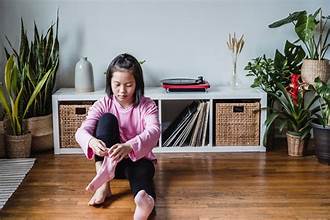
Start with:
- Pulling up pants
- Putting arms through sleeves
- Choosing between two outfits
Every small step counts.
3. Basic Hygiene Skills
These are essential life skills—but they can take time.

Work on:
- Hand washing
- Brushing teeth
- Using deodorant (for older kids)
💡 Break each task into small steps and teach one at a time.
4. Asking for Help
Independence isn’t about doing everything alone—it’s also about knowing when to ask for help.
Teach your child:
- Simple phrases (“Help please”)
- Using gestures or visuals
- Identifying when they need support
This is a HUGE life skill.
5. Cleaning Up After Themselves
Start with small, clear expectations:

- Putting toys in a bin
- Throwing away trash
- Bringing dishes to the sink
Make it part of a daily routine.
6. Making Simple Choices
Choice-making builds confidence and communication.
Try:
- “Do you want the red shirt or the blue shirt?”
- “Apple or crackers?”
Too many choices can feel overwhelming—keep it simple.
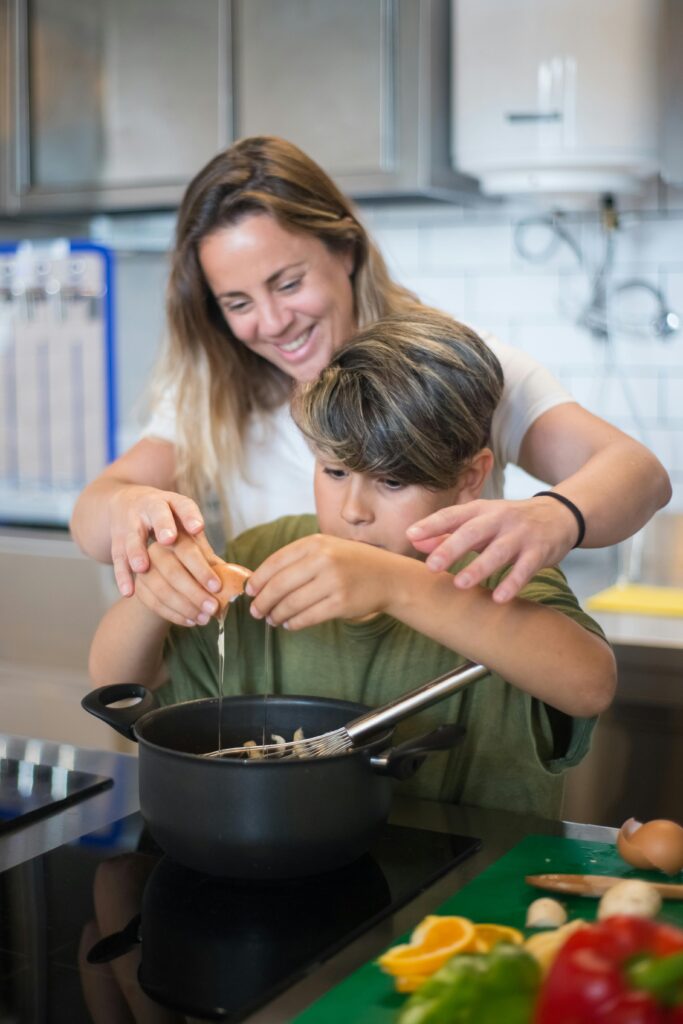
7. Basic Food Skills
Depending on your child’s ability, this could include:
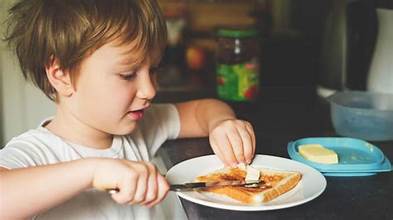
- Opening containers
- Using utensils
- Helping prepare simple snacks
Even helping in small ways builds independence.
8. Transitioning Between Activities
Transitions can be hard—but they’re part of everyday life.
Support your child with:
- Timers (“5 more minutes”)
- Visual countdowns
- Clear expectations
This helps reduce frustration and builds flexibility.
9. Following Simple Instructions
Start with one-step directions:
- “Put your shoes on.”
- “Come here.”
As your child grows, you can build up to multi-step tasks.
10. Trying Something New
This might be the most important one of all.

Encourage:
- Trying a new food
- Attempting a new activity
- Practicing a new skill
It’s not about perfection—it’s about willingness.
You Don’t Have to Teach Everything at Once
Reading a list like this can feel overwhelming.
Take a breath.
You don’t need to do all 10 things today.
You don’t need a perfect plan.
Start with one skill. Focusing on a single area at a time makes the process more manageable and helps build confidence as you see progress.
Then build from there.
Progress Over Perfection
Some days will go smoothly.
Some days will feel like nothing is working.
That’s normal.
Progress might look like:
- One extra step completed
- One less prompt needed
- One small success
And those moments matter more than you think.
A Gentle Reminder for Parents
You are not behind.
Your child is not behind.
You are both learning, growing, and figuring it out together.
And that’s exactly where you’re meant to be.
Conclusion
Teaching life skills doesn’t have to be complicated.
It happens in everyday moments—one step at a time.
Start small.
Stay consistent.
Celebrate the little wins.
Celebrating small wins can foster hope and encouragement because it shows that even tiny progress is valuable and meaningful.
They turn into something really big over time 💛