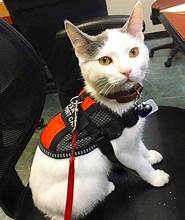
Even traveling with a service dog in your own community requires some planning.
Bringing your service dog across an international border often means you need to prepare much more.
A common mistake is to assume that if your dog is recognized as a service dog in the United States, other countries will accept the same rules.
But that’s not always the case.
Start Early
If you plan to travel from the United States to another country, the USDA’s Animal and Plant Health Inspection Service suggests reaching out to a USDA-accredited veterinarian as soon as you decide to go.

Why so early?
Depending on where you’re going, meeting all the requirements can take weeks or even months.
Some countries might ask for specific vaccinations, tests, treatments, microchip details, vet paperwork, or import permits.
These requirements can also change over time.
There Is No Single International “Pet Passport” From the United States
I was surprised to learn this myself.
The United States does not issue a universal pet passport that works everywhere. Instead. Instead, each country sets its own rules for admitting immigrants.
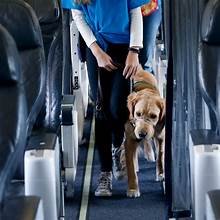
APHIS explains that travelers may need a country-specific health certificate showing that the dog has met the destination country’s requirements. So, the paperwork you need for one trip might be very different from what you need for another. another.
Documents You May Need
Depending on your destination, paperwork may include:
- International health certificate
- Rabies vaccination documentation
- Other vaccination records
- Microchip information
- Laboratory test results
- Treatment records
- Import permit
- USDA endorsement of the health certificate
- Airline service-dog documentation
- Destination-specific assistance dog. You might not need every document for every country. That’s why it’s so important to check the rules for your specific destination. The USDA says each country has its own requirements, so travelers should double-check them before each trip.
What Is a USDA-Accredited Veterinarian?
Keep in mind, not all veterinarians are USDA-accredited.
A USDA-accredited vet has extra federal training and can prepare the documents you’ll need for international travel with your dog.
If your destination requires a USDA endorsement, the vet who signs the export health certificate usually needs to be USDA-accredited.
Your vet can help you plan out when to get vaccinations, tests, treatments, paperwork, and endorsements done.
Timing Matters
You can’t always finish international animal paperwork months in advance and then forget about it.
Some certificates are only valid for a certain period.
The USDA points out that after your vet signs the health certificate, you may have only a short window to get the USDA endorsement and enter your destination country.
This means you might need to plan everything by counting backward from your departure date.
For example:
Travel date → certificate deadline → treatment deadline → testing deadline → vaccination requirement.
That’s why starting early doesn’t mean you’ll finish everything right away.
It just means you’ll know the timeline from the start.
Your Airline May Have Separate Requirements
Even if you meet the country’s animal-entry rules, you might still need to complete extra paperwork for the airline.
For flights to, within, or from the United States, airlines may require the current U.S. DOT Service Animal Air Transportation Form.
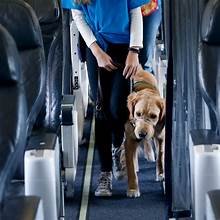
For a flight segment scheduled to last eight hours or longer, an airline may also require the U.S. DOT Service Animal Relief Attestation Form.
Psychiatric service dogs are treated as service dogs under current DOT rules rather than being placed into a separate air-travel category.
But international travel can add more steps.
The foreign destination may have additional requirements.
Service-Dog Status Does Not Erase Animal-Health Rules
This might be one of the most important things to remember.
Your service dog may have disability-access rights, but that doesn’t always mean the dog is exempt from another country’s animal-health or import rules.
DOT tells international travelers to verify whether the destination permits the service animal and what requirements apply for legal entry and exit.
Those health requirements protect countries from diseases and animal health risks. Wearing a service-dog vest isn’t a substitute for having the right veterinary paperwork.
What About Returning to the United States? Don’t just look up how to leave the country.
Make sure you also research how to bring your dog back home.
Current U.S. dog-entry rules may apply when a dog returns to the United States, and additional requirements can depend on where the dog traveled.
APHIS specifically advises travelers to check CDC requirements for returning dogs and notes that additional documentation is required for certain dogs returning from countries considered high-risk for dog rabies.
Check these requirements before you leave, not when you’re about to board your flight home.
Keep Paper Copies
Electronic records are convenient.
But you shouldn’t rely on electronic copies alone.
USDA notes that when original endorsed paperwork is required by a destination, the paperwork must accompany the animal during travel.
I recommend keeping a travel folder with all your important documents.
It’s also a good idea to have backup electronic copies.
International Service-Dog Travel Is a Project
That doesn’t mean you shouldn’t travel.
It means you shouldn’t treat international travel like you’re just packing for a regular weekend trip.
Think of it as a small project, complete with a checklist and a timeline.
That’s exactly what you’ll find in the final post of this series.