Bringing a pet into your family is a big decision for any parent. When you are raising a child with autism, ADHD, sensory needs, developmental disabilities, or other special needs, there may be even more to consider. We understand how important and personal this decision is, and sharing these experiences can help you feel supported and understood.
You may picture your child cuddling with a gentle dog, quietly petting a cat, or proudly helping to feed a small animal. You may hope a pet will become a comforting companion who helps your child feel calmer, less lonely, or more confident.
Those hopes are understandable. Pets can bring love, companionship, routine, and plenty of happy memories into a home.
Choosing a pet for a child with special needs can be manageable when you consider your child’s abilities, sensitivities, and routine, which can help you feel more confident in your decision.
As special-needs parents, we spend a great deal of time thinking ahead. We look at situations differently because we know that even a small change can affect our children in a big way.
A pet can be a wonderful addition to a family, but it should be a thoughtful decision rather than an impulsive one.
Why Parents Consider Pets for Children With Special Needs
There are many reasons a family may begin thinking about getting a pet.
Some parents hope a pet will provide emotional comfort. Others want to help their child learn responsibility, practice social skills, or feel less isolated. A child may also develop a strong interest in animals and begin repeatedly asking for a pet.
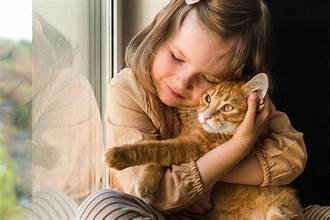
Pets can offer a type of companionship that feels simple and safe. They do not care whether a child communicates differently, struggles socially, repeats the same story, or needs extra time to complete a task.
A calm pet may simply sit nearby without asking questions or expecting the child to explain how they feel.
For some children, that quiet companionship can be very meaningful.
Recognizing that every child is different and that some pets may overwhelm others can help you feel hopeful and prepared to find the best fit for your child.
That is why the most important question is not, “Are pets good for children with special needs?”
The better question is, “Would this particular pet be a good match for my particular child and family?”
A Pet May Provide Comfort and Companionship
Many children find animals easier to connect with than people.
Human relationships can be complicated. Conversations, facial expressions, social expectations, and unspoken rules may be confusing or exhausting for a child with special needs.
A pet’s needs are often more direct.
A dog may bring over a toy when it wants to play. A cat may curl up nearby when it feels comfortable. A guinea pig may squeak when it hears the food container opening.
Over time, a child can begin to recognize these patterns and build a relationship with the animal.

A pet may also become a calming presence after a difficult school day, therapy appointment, social situation, or sensory overload. Some children enjoy the repetitive motion of gently brushing or petting an animal. Others simply like having a quiet companion in the room.
Of course, a family pet is not a replacement for therapy, medical care, or professional support. However, a well-matched pet may become one more source of comfort in a child’s life.
Pets Can Help Create a Predictable Routine
Many children with special needs feel more comfortable when they know what to expect.
Pets naturally create routines.
They need to be fed, given fresh water, exercised, groomed, and cared for regularly. These responsibilities can become part of the family’s daily schedule.
A child may help pour food into a bowl every morning. They may refill the water dish after school or help give the pet a treat before bedtime.
These small tasks can help a child practice following directions, completing steps, and contributing to the household.
The responsibility should always match the child’s age and abilities. A child should not be expected to take full responsibility for a pet. The adults must be prepared to provide all necessary care, even if the child loses interest or cannot participate on a particular day.
Encouraging small pet-care tasks can help your child feel proud and foster patience as they learn to contribute at their own pace.
Being able to say, “I helped take care of my pet today,” can be a meaningful accomplishment.
Think carefully about your child’s sensory needs when choosing a pet for a child with special needs because it can prevent overwhelming experiences and promote positive interactions from the start.
Sensory needs should be one of the first things you consider when choosing a pet for a child with special needs.
Animals come with sounds, smells, textures, movement, and unpredictable behaviors.
A dog may bark when someone comes to the door. A cat may suddenly jump onto furniture. A bird may chirp loudly throughout the day. A small animal’s bedding may have a noticeable smell. A long-haired pet may shed on clothing, furniture, and bedding.
Some children love the feeling of soft fur. Other children may dislike fur touching their skin.
Some enjoy hearing a cat purr. Others may become distressed by barking, scratching, squeaking, or the sound of claws on the floor.
Think about how your child responds to animals they have already met.
Do they move closer, or do they cover their ears and step away?
Are they enjoying touching animals, or do they seem uncomfortable?
Do they become excited and loud around pets?
Are they able to stay calm if an animal moves unexpectedly?
Your child does not need to react perfectly. These questions simply help you identify what type of pet environment may be manageable.
Consider How Your Child Shows Excitement
Children may show love and excitement in ways an animal does not understand.
A child may want to hug tightly, chase, grab, squeeze, climb on, or get very close to a pet’s face. They may become loud or move quickly when they are happy.
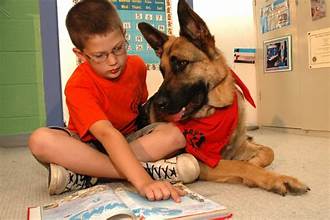
Even a gentle animal can become frightened when it feels trapped, chased, or handled roughly.
Before getting a pet, think honestly about whether your child can learn and follow basic animal-safety rules.
These rules may include:
- Pet with an open hand.
- Do not pull ears, tails, or fur.
- Leave the pet alone while it is eating.
- Do not climb on the animal.
- Give the pet space when it walks away.
- Ask an adult before picking up a small pet.
- Do not put your face directly in an animal’s face.
Some children can learn these rules with repetition, visual reminders, modeling, and adult supervision. Other children may need more time before living safely with an animal.
Waiting does not mean your child has failed.
It simply means you are protecting both your child and the pet.
The Pet’s Temperament Matters More Than Its Appearance
It is easy to fall in love with a certain breed, color, size, or type of animal.
Your child may have a favorite dog breed because of a movie or television show. You may have always dreamed of owning a particular kind of cat. A puppy or kitten may look impossible to resist.
However, appearance should never be the main reason for choosing a pet.
Temperament is far more important.
A calm adult dog may be a better match than an energetic puppy. A confident cat that enjoys gentle attention may adjust better than a shy cat that becomes frightened easily.
Young animals are adorable, but they are also active, unpredictable, and still learning. Puppies may nip, jump, chew, bark, and have accidents in the house. Kittens can scratch, climb curtains, knock things over, and become playful in the middle of the night.
For some special-needs families, a calm adult animal with a known personality may be easier to manage.
The best pet is not necessarily the youngest, cutest, or most popular one.
The best pet is the one whose needs and personality fit your family.
Look at Your Family’s Daily Life
Before bringing home a pet, take an honest look at your family’s routine.
Special-needs families often have full schedules. There may be school meetings, therapies, medical appointments, work responsibilities, behavioral challenges, transportation needs, and days when everyone is simply exhausted.
Ask yourself:
Who will feed the pet every day?
Who will clean up accidents or change bedding?
Will they want to walk the dog in bad weather?
Who will take the animal to veterinary appointments?
Who will care for the pet during vacations, hospital visits, or family emergencies?
What will happen if the child loses interest?
These are not negative questions. They are responsible questions.
A pet may live with your family for many years. The adults in the household need to be ready to provide consistent care throughout the animal’s life.
Love is important, but pets also require time, patience, training, supplies, and money.
Think About the Financial Commitment
The cost of a pet includes much more than an adoption fee or purchase price.
Depending on the animal, your family may need to pay for:
- Food
- Bedding or litter
- A crate, cage, tank, or carrier
- Toys and enrichment
- Grooming
- Training
- Veterinary examinations
- Vaccinations
- Medication
- Emergency medical care
- Boarding or pet sitting
Unexpected veterinary bills can be expensive. It is important to consider whether your household budget can manage both regular care and occasional emergencies.
This does not mean only wealthy families can have pets. It simply means families should understand the commitment before bringing an animal home.
Planning can prevent a painful situation later.
Try Spending Time With Animals First
You do not have to make a permanent decision immediately.
Whenever possible, give your child opportunities to spend time around different animals before choosing a pet.
You may visit a trusted friend or family member who has a calm pet. Some shelters, farms, libraries, therapy programs, or community organizations offer supervised opportunities for children to interact with animals.
Watch your child closely during these experiences.
Notice how your child responds when the animal makes noise, walks away, approaches unexpectedly, or does not want to be touched.
Also notice how the animal responds to your child.
A successful visit does not guarantee that pet ownership will always be easy, but it can give you helpful information.
Repeated visits may be even more useful than one short interaction.
A Family Pet Is Not the Same as a Service Animal
It is also important to understand that a family pet, therapy animal, emotional support animal, and service animal are not the same thing.
A family pet may provide comfort and companionship, but it is not automatically trained to perform disability-related tasks.
A service animal receives specialized training to perform specific tasks for a person with a disability. Choosing and obtaining a properly trained service animal involves a very different process from adopting a family pet.
Parents should be careful about expecting an ordinary pet to manage behaviors, prevent wandering, recognize medical emergencies, or provide trained support without appropriate professional training.
A family pet can still be deeply valuable.
It simply has a different role.
It Is Okay to Decide That Now Is Not the Right Time
Sometimes, after considering everything, a family realizes that getting a pet is not the best choice right now.
That decision can be disappointing, especially if your child has been asking for an animal. However, saying “not right now” is not the same as saying “never.”
Your child may need more time to learn safe interactions. Your family may need a more stable routine. You may need to save money, research different animals, or wait until your schedule becomes less demanding.
Choosing to wait can be an act of love and responsibility.
You are thinking about your child’s safety, the animal’s well-being, and the needs of your entire household.
The Right Match Can Become Part of the Family
When the child, animal, and family are well matched, a pet can become much more than an animal living in the house.
It can become a companion waiting by the door after school.
It can become a quiet friend during difficult moments.
Can encourage movement, routine, responsibility, laughter, and connection.
There will still be work involved. There may be accidents, messes, training challenges, scratched furniture, early-morning wake-ups, and unexpected expenses.
Pet ownership is not perfect.
Neither is family life.
But with careful planning, realistic expectations, adult supervision, and the right match, a pet may bring a special kind of love into your home.
Final Thoughts
Choosing a pet for a child with special needs should never be based only on what looks cute or sounds exciting.
Think about your child’s sensory needs, communication, impulse control, safety awareness, and ability to respect an animal’s boundaries. Consider your family’s schedule, finances, living space, and long-term ability to provide care.
Most importantly, remember that every child and every animal is an individual.
What works beautifully for one family may not work for another.
You know your child and understand your home. You are allowed to take your time, ask questions, change your mind, and choose what is best for your family.
A pet can be a wonderful companion, but the right relationship begins with a thoughtful and honest decision.