Summer is one of my favorite times of year. The days are longer, the weather is warmer, and there are more opportunities to get out of the house and make memories as a family.
But if you’re the parent of a child with autism, ADHD, or another disability, summer can also bring a new set of worries.
There are trips to the park, visits to the pool, family vacations, community events, and countless moments when our children are exposed to situations that require good safety skills.
As the parent of an autistic child, I know firsthand how important these lessons are. Safety isn’t something we teach once and move on from. It is something we practice over and over again until it becomes part of our child’s routine.
The good news is that safety skills can be taught just like any other life skill. With patience, repetition, and lots of encouragement, our children can learn how to make safer choices and become more independent.
Here are some of the most important summer safety skills every child with special needs should practice before heading out into the community.
1. Staying Close to a Trusted Adult
One of the most important safety skills a child can learn is to stay with the adult responsible for them.
This may sound simple, but many children with autism and ADHD struggle with impulsivity, distractions, or wandering.
Summer activities often involve crowded places where it is easy to become separated. Parks, fairs, beaches, amusement parks, and outdoor festivals can all be overwhelming and distracting.
Practice staying together during everyday outings. Before entering a store or public place, remind your child of the expectation.
You might say:
“Your job is to stay where I can see you.”
Visual reminders, hand-holding, walking beside a parent, or designated meeting spots can all help reinforce this skill.
The goal isn’t perfection. The goal is building a habit of checking in and staying connected.
2. Knowing Important Personal Information
Every child should know basic personal information whenever possible.
This may include:
- Their first and last name
- Parent or caregiver names
- Phone number
- Home address
- Emergency contacts
For children who struggle with memorization, consider using:
- Identification bracelets
- Wallet cards
- Medical ID tags
- Information cards attached to backpacks
Having this information available can be incredibly helpful if a child becomes separated from their family.
Practice regularly by turning it into a game or part of your daily routine.
3. Understanding Safe Adults
Many parents teach stranger danger, but children often need to know who they can safely approach for help.
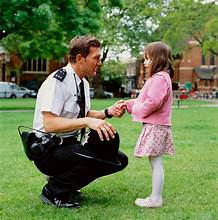
Teach your child how to identify safe adults such as:
- Police officers
- Store employees
- Lifeguards
- Teachers
- Security personnel
- Parents with children
Role-playing different situations can make this lesson easier to understand.
Ask questions such as:
“What would you do if you couldn’t find me at the park?”
“What would you do if you got lost in a store?”
The more opportunities children have to practice these scenarios, the more confident they may feel if they ever need help.
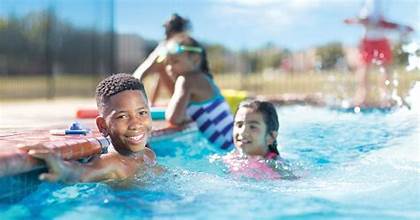
4. Water Safety
For many families, summer means swimming pools, lakes, beaches, and water parks.
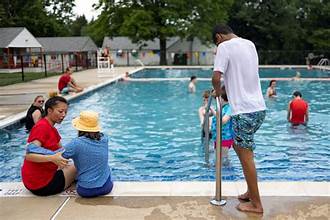
Water can be fun, but it can also be dangerous.
Children with autism are at increased risk around water because they may be drawn to it without fully understanding the dangers.
Important water safety skills include:
- Never entering water without permission
- Always swimming with supervision
- Wearing approved flotation devices when appropriate
- Following pool rules
- Learning basic swimming skills
Even if your child knows how to swim, supervision is still essential.
No safety skill replaces active adult supervision around water.
5. Practicing What to Do If They Get Lost
This is one of the most valuable conversations parents can have with their children.

Many children panic when they realize they cannot find their parent.
Instead, teach a simple plan.
For example:
- Stop moving.
- Stay where you are.
- Look for a safe adult.
- Ask for help.
Practice these steps frequently through role-play.
Children often perform better when they have rehearsed a situation before it happens.
6. Learning Basic Road and Parking Lot Safety
Parking lots can be one of the most dangerous places for children.
There are moving vehicles, distractions, and limited visibility.
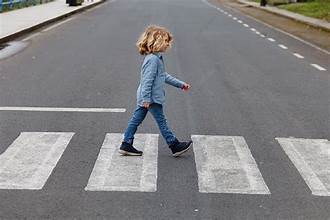
Teach children to:
- Hold hands when needed
- Stop at the curb
- Look both ways
- Walk beside an adult
- Stay out of traffic lanes
These lessons may need hundreds of reminders before they become habits.
That is completely normal.
Safety skills are built through repetition.
7. Understanding Personal Boundaries
Summer often brings more interactions with neighbors, friends, camp staff, and community members.
Children need clear guidance about personal space and body safety.
Important lessons include:
- Keeping hands to themselves
- Asking permission before touching others
- Respecting personal space
- Understanding private body parts
- Knowing that they can say no to unwanted touch
These conversations can feel uncomfortable at times, but they are essential for protecting our children and helping them navigate social situations safely.
8. Recognizing Unsafe Feelings
One lesson that has become especially important in our home is helping my son recognize what he calls his “buzzy feeling.”
Sometimes children experience a feeling before they make an impulsive choice.
They may feel excited, nervous, restless, overwhelmed, or overly energetic.
Helping children identify those feelings can create an opportunity to pause and make a safer choice.
Ask questions like:
- How does your body feel right now?
- Are you feeling calm or buzzy?
- What can you do to help yourself make a safe choice?
Self-awareness is a powerful safety skill.
When children learn to recognize their own warning signs, they gain another tool for managing difficult situations.
Safety Skills Take Time
One of the hardest parts of teaching safety skills is remembering that progress is often slow.
Many parents worry that their child isn’t learning quickly enough.
I understand that feeling.
There have been times when I wondered if my son would ever fully understand certain safety concepts.
Then one day, he surprises me.
A lesson finally clicks.
A reminder isn’t needed.
A safer choice is made independently.
Those moments remind me that learning is happening, even when it feels slow.
Each practice session matters.
Every conversation matters.
Every small success matters.
Final Thoughts
Summer should be a time for making memories, exploring new places, and enjoying family adventures.
The more safety skills we teach and practice, the more opportunities our children have to enjoy those experiences confidently and successfully.
As parents, we cannot eliminate every risk.
What we can do is prepare our children one step at a time.
You teach them.
We can practice.
We can encourage.
And we can celebrate every bit of progress along the way.
Because safety isn’t just about preventing problems.
It’s about helping our children gain the confidence and independence they need to navigate the world around them.