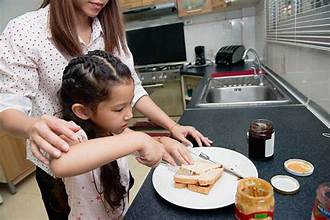
As parents of children with autism and other special needs, we often spend years helping our children with tasks that many people take for granted. We provide reminders, offer support, break down instructions, and step in when things become overwhelming. While there is absolutely nothing wrong with helping our children, most of us share a common goal: we want our children to become as independent as possible.
Independence looks different for every child. For one child, independence might mean brushing their teeth without reminders. For another, it might mean preparing a simple meal, completing homework without assistance, or learning how to safely navigate the community. The goal is not perfection. The goal is progress.
As a parent of an autistic child, I have learned that independence is not built overnight. It is built one small skill, one small success, and one small victory at a time.
Why Independence Matters
Teaching independence is about much more than completing tasks. Independence helps children develop confidence, self-esteem, and problem-solving skills. Every time a child learns to do something for themselves, they gain a little more confidence in their abilities.
Many special needs parents spend years wondering what the future will look like for their child. While we cannot predict the future, we can help prepare our children by teaching practical life skills that will serve them throughout their lives.
Independence also reduces frustration. When children can complete tasks on their own, they often feel more capable and less dependent on constant adult assistance.
Perhaps most importantly, independence gives children a sense of pride. There is something powerful about watching a child realize, “I did that by myself.”
Start With Realistic Expectations
One of the biggest mistakes many parents make is expecting too much too quickly.
Children with autism and other developmental disabilities often learn differently than their peers. They may require more repetition, additional support, visual reminders, or extra time to master a skill.
That does not mean they cannot learn.
Instead of comparing your child to other children, compare them to where they were six months ago, a year ago, or even last week.
Progress is progress.
A child who learns to put their dirty clothes in the laundry basket consistently has achieved something meaningful. A child who remembers to feed the family pet every day has developed a sense of responsibility. These victories matter.
Setting realistic expectations helps prevent frustration for both parents and children.
Break Tasks Into Small Steps
One of the most effective strategies for teaching independence is task analysis.
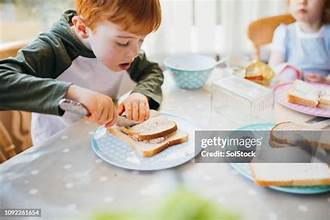
Task analysis simply means breaking a larger task into smaller, manageable steps.
For example, making a peanut butter and jelly sandwich might seem like one task. In reality, it includes many smaller steps:
- Gather the bread.
- Get the peanut butter.
- Get the jelly.
- Find a butter knife.
- Place bread on a plate.
- Spread peanut butter.
- Spread jelly.
- Put slices together.
- Clean up supplies.
When children learn one step at a time, tasks become much less overwhelming.
Many children who struggle to complete a task can successfully complete individual steps when those steps are clearly defined.
Use Visual Supports
Visual supports are one of the most powerful tools available for teaching independence.
Many autistic children process visual information more effectively than verbal instructions.
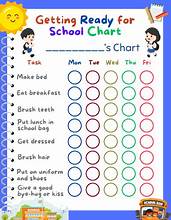
Visual supports may include:
- Picture schedules
- Checklists
- Step-by-step task cards
- Charts
- Calendars
- Visual reminders
For example, a visual morning routine might include pictures showing:
- Wake up
- Get dressed
- Brush teeth
- Eat breakfast
- Pack backpack
- Leave for school
Visual supports reduce the need for constant verbal prompting and help children become more self-reliant.
Over time, many children begin following their visual supports independently.
Allow Extra Time
As parents, we are often in a hurry.
It is usually faster to do something ourselves than to teach our children how to do it.
However, independence requires practice.
If we always step in because we are rushed, our children lose valuable opportunities to learn.
Allow extra time whenever possible.
If your child is learning to dress independently, start the routine earlier.
If they are learning to prepare a snack, plan for extra time in the kitchen.
The learning process may take longer today, but it can save countless hours in the future.
Expect Mistakes
Mistakes are part of learning.
Children learn by doing, not by being perfect.
The sandwich may have too much jelly.
The shirt may be on backward.
The bed may not look exactly right.
That’s okay.
When we focus on progress rather than perfection, children are more willing to keep trying.
Every mistake becomes an opportunity to learn and improve.
Reduce Prompts Gradually
Many parents unknowingly provide too much assistance.
We remind, redirect, explain, and guide because we want our children to succeed.
However, if we provide reminders forever, children may become dependent on them.
Instead, gradually reduce support.
For example:
- First, provide physical assistance.
- Then provide verbal reminders.
- Next, use visual reminders.
- Finally, encourage independent completion.
This process is known as prompt fading.
The goal is to help children rely on their own skills rather than adult assistance.
Celebrate Small Wins
Special needs parents know that some victories are years in the making.
Your child tying their shoes.
A child making a snack.
A child remembering a hygiene routine.
My child completing a chore independently.
These moments deserve celebration.
You do not need a huge reward system every time.
Sometimes a smile, a high-five, a hug, or a simple statement like “I’m proud of you” is enough.
Children who feel successful are often more motivated to continue learning.
Life Skills That Build Independence
There are many everyday skills that can increase independence.

Some examples include:
Personal Care Skills
- Brushing teeth
- Washing hands
- Showering
- Hair care
- Using deodorant
Household Skills
- Making the bed
- Folding laundry
- Putting dishes away
- Sweeping floors
- Feeding pets
Food Preparation Skills
- Making sandwiches
- Preparing simple snacks
- Using a microwave safely
- Setting the table
Community Skills
- Following safety rules
- Recognizing trusted adults
- Understanding personal boundaries
- Learning basic money skills
Each new skill helps build confidence and prepares children for greater independence in the future.
Remember That Independence Looks Different for Every Child
It is important to remember that there is no universal definition of independence.
Some children may eventually live completely independently.
Others may always need some level of support.
Both outcomes are okay.
The goal is not to make our children fit someone else’s expectations.
The goal is to help them become the most independent version of themselves.
Every child deserves the opportunity to learn, grow, and develop the skills that will help them succeed.
Final Thoughts
As special needs parents, we often spend so much time focusing on what still needs to be learned that we forget to recognize how far our children have already come.
Independence is built through hundreds of small moments.
Just one task.
One skill.
One success at a time.
This weekend, I watched my son make a peanut butter and jelly sandwich almost entirely by himself with only verbal cues. To many people, that might seem like a small accomplishment. To me, it felt huge.
Because that sandwich represented more than lunch.
Represented growth.
It represented confidence.
It represented the possibility of what comes next.
If you’re currently teaching your child a new skill, keep going. Celebrate the small victories. Be patient with the setbacks. Trust the process.
Those little moments of independence add up to something truly extraordinary.
And one day, you’ll look back and realize just how far your child has come.