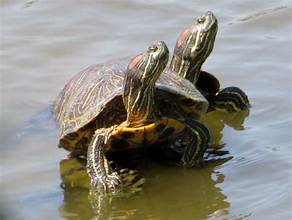
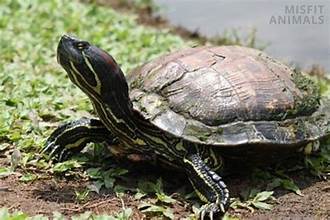
Red-eared slider Turtles are one the most popular pet turtles, known for their distinctive red markings on either side of their heads. If you’re considering adding a Red-Eared Slider Turtle to your family, it’s essential to understand their care needs.
Understanding the Red-Eared Slider Turtle
The Red-Eared Slider Turtle (Trachemys scripta elegans) is a semi-aquatic species native to the southern United States. It Is known for its hardiness and adaptability, making it popular as a pet. With proper care, it can live for over 20 years, and its vibrant red markings make it easily recognizable.
Habitat Requirements for Red-Eared Slider Turtles
Aquatic Environment:
Red-eared sliders are semi-aquatic, meaning they need water and land in their enclosure. A large tank is necessary, with 10 gallons of water per inch of the turtle’s shell length. A 75-100-gallon tank is ideal for an adult turtle. Ensure the water is deep enough for the turtle to swim freely but not so profound that it can’t reach the surface quickly.
Basking Area:
These turtles require a dry basking area where they can completely dry off. This helps prevent shell rot and other health issues. Use a basking dock or platform that is easily accessible from the water.

Lighting and Temperature:
Provide UVB light to mimic natural sunlight, which is helpful for calcium absorption and preventing metabolic bone disease. They need their basking area to be kept at a comfortable 85-90°F. Meanwhile, the water temperature should be comfortable between 75-80°F for adults and 80-85°F for hatchlings.
Filtration:
Since Red-Eared Sliders are messy eaters, a powerful filtration system is necessary to keep the water clean. Regular water changes are also a must to maintain water quality.
Diet and Feeding Guidelines
Balanced Diet:
Red-eared sliders eat both plant and animal matter. A balanced diet should include commercial turtle pellets, leafy greens (like romaine lettuce, dandelion greens, and kale), and occasional protein sources such as feeder fish, earthworms, and insects.
Feeding Schedule:
Young turtles must be fed daily, while adults can be fed every other day. Offer vegetables daily, but protein sources should be limited to 2-3 times a week to prevent obesity.
Calcium and Supplements:
Dust their food with a calcium supplement after every feeding to ensure they get enough calcium for healthy shell and bone development. A cuttlebone in the tank can also provide a constant source of calcium.
Health Concerns and Common Issues
Shell Rot:
This bacterial infection occurs when the shell remains wet for too long. Ensure your turtle can access a dry basking area and maintain proper water quality.
Respiratory Infections:
These can develop if the turtle is kept in a drafty area or the water temperature is too low. Symptoms include wheezing, mucus discharge, and lethargy. If you notice any of these signs, consult a reptile veterinarian.
Metabolic bone disease (MBD)
It is caused by a lack of UVB light and insufficient calcium, which softens the shell and bones. Proper lighting and a balanced diet can prevent this.
Parasites:
Red-eared sliders can suffer from internal and external parasites. Getting regular check-ups can help detect these issues early.
Temperament and Handling
Red-eared sliders are generally docile but can be skittish, especially when young. They may snap or retreat into their shells if they feel threatened. While they can be handled, limiting handling is best to reduce stress. Be sure to wash your hands before and after handling your turtle to prevent the spread of bacteria like Salmonella.
Additional Considerations for Prospective Owners
Long-Term Commitment:
Red-Eared Sliders can live for over 20 years, so be prepared for a long-term commitment. Their care needs evolve as they grow, so keeping up with their changing requirements is essential.
Legal Considerations:
In some areas, selling or owning Red-Eared Sliders under a specific size is illegal due to their potential impact on ecosystems if released into the wild. Check your local laws before purchasing one.
Enrichment and Mental Stimulation:
Provide your turtle with various plants, rocks, and hiding spots in their tank to keep them mentally stimulated. Regular interaction, such as hand feeding, can also help them become more comfortable around you.
Conclusion
Caring for a Red-Eared Slider Turtle is a wonderful experience, but it requires dedication and knowledge. Whether you’re a new turtle owner or an experienced reptile enthusiast, you can ensure your turtle thrives for many years by providing the right habitat, a balanced diet, and regular checkups. The Red-Eared Slider is a fascinating and beautiful pet that can bring joy to your home.