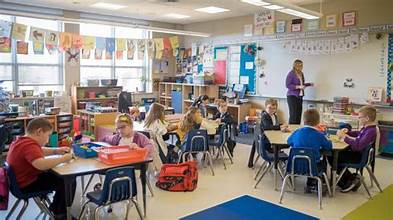
As a parent of a child with disabilities and a service dog in the classroom, I’ve learned this:
Inclusion doesn’t always come from policy. Sometimes it comes from people.
A teacher’s attitude, tone, or accommodations can have a greater impact than any formal program. Sometimes it’s the little things that tell a child, “You belong here.”
Today, I want to share five simple ways teachers can show inclusion. These don’t need a big budget, a meeting, or a committee—just heart, awareness, and maybe a post-it note or two.
💛 1. Use Inclusive Language Every Day
The words we use shape how kids see themselves. One sentence can lift a child… or make them want to disappear.
Inclusive language sounds like:
- “What helps you focus best?”
- “Let’s find a way that works for you.”
- “Everyone learns differently. That’s normal.”
- “You’re part of this class. We’ll figure it out together.”
A child may forget a lesson, but they’ll never forget how their teacher spoke to them, not about them.
📋 2. Offer Visuals & Routines (It Helps EVERY Student)
Visual schedules, checklists, and clear routines aren’t just for special education. They help everyone’s brain work better.
Kids with autism, ADHD, anxiety, or learning disabilities benefit from structure… but guess what?
All kids do.
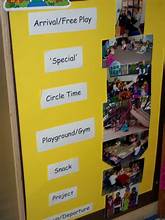
Teachers can try:
- Daily visual schedule on the board
- Transition countdown (“In 5 minutes we’ll switch activities”)
- A class routine poster that students help create
- Personal checklist for students needing extra support
These tools reduce anxiety, and anxiety is one of the most significant barriers to learning.
🧍 3. Give Students a Safe Break Option
Sometimes inclusion looks like… space.
Not punishment.
Not isolation.
Just room to breathe.
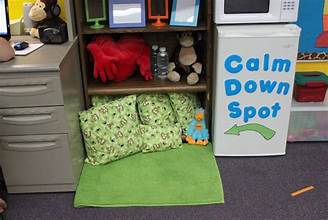
Having a simple sensory-friendly spot, like a beanbag, noise-canceling headphones, or a calm corner, tells kids, “When you feel overwhelmed, you’re still welcome here.”
For some, this might prevent a meltdown.
For others, it gives them confidence to keep trying because they know safety is available when they need it.
🚪 Even a hallway pass for 2 minutes of quiet can change a student’s day.
🐾 4. Be Curious, Not Judgmental
When my child started school with his service dog, some teachers asked questions out of curiosity, which made everything easier.
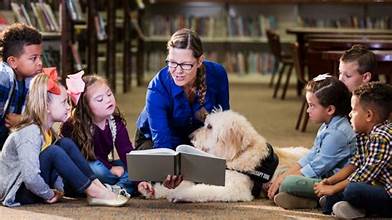
Instead of:
“Why does he need that dog?”
Try:
“How does the dog help him during the school day?”
That shift from judgment to curiosity opened doors. It made meetings easier. It built trust.
Parents don’t expect teachers to know everything.
We just hope they’re willing to learn.
🤝 5. Team Up With Families (We’re Not Trying to Be Difficult!)
Most parents of children with disabilities aren’t trying to push or demand or complicate things.
We’re trying to help our kids succeed, just like teachers are.
Partnership can start with:
- A quick check-in email
- A positive note home (even a sentence!)
- Asking, “Is there anything at home that might affect their day?”
- Saying, “Let’s make this work together.”
Teamwork builds inclusion faster than paperwork ever will.
🌱 Final Thought: Inclusion Starts With Heart
Teachers may not realize it, but they are often the first line of inclusion. Your classroom can either confirm a child’s fears or show them they belong.
It’s not about knowing every diagnosis.
It’s not about having every tool ready.
It’s about sending one message, again and again:
“You are welcome here. We will find a way.”
That is inclusion.
And it truly does make a huge difference.