A friendly guide to preparing loved ones, keeping calm, and making the most of your time together.
If you’ve ever packed up for the holidays with a service dog and a child on the autism spectrum, you know it’s not quite like any other family road trip. There’s excitement, yes — but also a bit of nervous energy. You’re juggling schedules, routines, sensory needs, and of course, your service dog’s responsibilities.
And if you’re visiting family who’ve never been around a service dog before? Let’s just say it can take some extra planning (and patience).
I’ve been there — that mix of joy and overwhelm that comes with traveling to see loved ones while making sure everyone (human and canine) feels safe and respected. But over time, I’ve learned that a bit of preparation and kindness go a long way toward turning those anxious “what-ifs” into calm, happy memories.
Here’s what’s helped our family — and how you can make your next holiday visit smoother, less stressful, and a whole lot more meaningful. 🐾❤️
✉️ Step 1: Prepare Your Hosts Early
Before you even pack a bag, the best thing you can do is start the conversation early. This proactive approach will put you in control and set the tone for a successful visit.
Most relatives genuinely want to welcome you — they just don’t always understand how to interact with a service dog or support a child with Autism. Clear, kind communication before your visit helps everyone succeed and ensures you feel confident and prepared.
What to share in your message or call:
- That you’ll be traveling with a trained service dog who performs specific tasks (e.g., calming, deep-pressure touch, guiding, alerting).
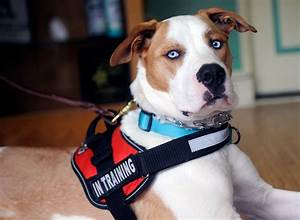
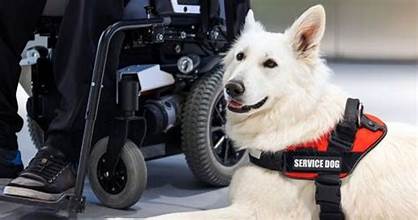
- That your service dog is not a pet — and should not be fed, called, or petted while working.
- How your child interacts with the dog — for example, if your child depends on the dog for comfort or grounding.
- Any sensory needs (like avoiding loud music or dimming lights during downtime).
💬 Example message:
“We’re so excited to visit! Just a quick note to let you know, Max, our service dog, will be coming along. He helps [child’s name] stay calm and navigate new spaces. He’s friendly but working, so please don’t pet or feed him. Thank you so much for helping make the trip smoother for us all!”
A simple, kind note like that clears up confusion before it even starts.
💡 Pro tip: If you’re visiting family with pets, mention it early, too. It helps everyone prepare for introductions safely (we’ll get to that below).
🏠 Step 2: Plan the Space and Flow
Every family home is different — and so are their routines. Taking a few minutes to plan where your dog and child will feel most comfortable can make a big difference.
Think about:
- Sleeping arrangements: Ask for a ground-floor or quieter room if possible.
- Bathroom access: Know where your service dog can relieve itself (outside door, fenced yard, etc.).
- Quiet corners: Identify a calm spot for your child (and dog) to retreat when things get loud.
💬 When we visited my parents last Christmas, I asked if we could set up a small “calm corner” in the guest room — just a soft blanket, headphones, and a space where my son could sit with Max when he needed downtime. My mom loved the idea, and it made the whole visit go so much more smoothly.
Suppose there are house pets, planned controlled introductions. Meet outside first, on neutral ground, and use calm voices. Never force the animals to interact — a polite sniff and retreat is perfectly fine!
🧳 Step 3: Pack the Comforts and the Paperwork
Holiday travel is unpredictable, so come prepared for anything.
For your service dog:
- Service dog vest or harness
- DOT Service Animal Form (for flights)
- Vet and vaccination records
- Leash, food, travel bowls, waste bags
- Favorite blanket or toy
- Mat for resting (great for claiming a spot at relatives’ houses)
For your child:
- Sensory tools (fidgets, headphones, favorite snacks)
- Weighted blanket or lap pad
- Tablet or calming activities
- Visual schedule for the trip
💡 Parent tip: I pack a small “familiar smells” bag — a towel that smells like home for Max, and a pillowcase from my son’s bed. Those scents bring instant comfort in a new environment.
And of course, bring your patience and sense of humor — they’re as essential as any travel document.
👋 Step 4: Arriving and Setting Boundaries with Kindness
Walking through the door can be the most overwhelming part. There’s excitement, chatter, hugs — and maybe a few curious family members who can’t wait to meet your service dog.
Take a deep breath and move at your family’s pace.
How to set gentle boundaries:
- Introduce your dog with a smile and a clear explanation:
“This is Max — he’s working right now, so we just ask that everyone give him space while he settles in.” - If someone forgets and reaches to pet him, gently redirect:
“He’s focused right now, but I’ll let you know when he’s off-duty later.”
Most people respond beautifully when you explain things calmly and with warmth.
💬 Personal moment: During one holiday, my aunt called across the room, “Can I give him a treat?” I just smiled and said, “He appreciates the thought, but he’s on the job right now!” We all laughed, and she became one of his biggest fans that week.
🧠 Step 5: Manage Sensory and Emotional Overload
Even in loving homes, the holidays can be a lot — sounds, smells, lights, and new people everywhere.
Tips that help our family:
- Schedule sensory breaks — even 10 minutes in a quiet room can reset the day.
- Bring a familiar playlist or calming video for downtime.
- Keep meals and routines as close to normal as possible.
- Let your service dog work — they often sense anxiety before we do.
💬 One Christmas Eve, my son became overwhelmed by the laughter and clinking dishes at dinner. Max immediately pressed his body against my son’s legs — that gentle, deep pressure he’s trained for — and within minutes, my son’s breathing slowed. It was the calm we needed in the middle of all the noise.
🍽️ Step 6: Family Meals, Parties, and Pets
Holiday gatherings often revolve around food — which means busy kitchens, dropped scraps, and tempting smells for your service dog.
Here’s how to navigate it gracefully:
- Have your dog rest on a mat near you during meals.
- Gently remind family not to sneak treats.
- If your dog alerts or performs tasks during meals, explain it briefly and proudly — it’s a chance to educate and normalize service dogs.
💬 When Max gave my son a pressure alert during dinner one year, everyone paused for a second — then continued chatting like it was no big deal. That’s when I realized our family had grown comfortable with the routine. Awareness takes time, but it happens.
🐕 Step 7: Handling Pets in the Home
If your relatives have their own pets, plan for introductions slowly and intentionally.
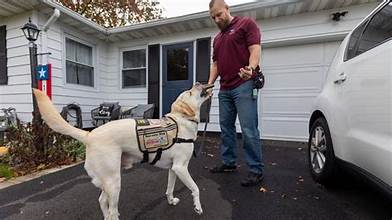
- First meet outside on neutral ground.
- Keep both animals on leash initially.
- Give praise for calm behavior—and allow space if tension arises.
- Don’t force interactions; parallel play (existing calmly near each other) is perfect.
💬 We once visited a home with a very curious golden retriever. Max stayed steady and calm, but the other dog wanted to play. We eventually set up “dog time” in shifts—it gave each pup space, and no feelings were hurt.
💙 Step 8: Navigating Misunderstandings
Sometimes, despite your best efforts, not everyone will understand service dog etiquette right away. And that’s okay.
If someone says something awkward (“He looks too happy to be working!”) or questions your dog’s legitimacy, take a deep breath. You don’t owe anyone personal details — but you can use it as a teaching moment.
“He’s trained to help my son stay calm in new places. He’s working right now, but we appreciate your kindness!”
A smile diffuses tension faster than defensiveness ever will. And every calm, confident interaction helps spread awareness.
🌟 Step 9: Wrap Up with Gratitude and Grace
When your visit comes to an end, take a moment to thank your hosts — not just for their hospitality, but for their willingness to learn.
A small thank-you note, a framed photo from the visit, or even a heartfelt message means a lot. It reminds them that their effort and understanding made a difference.
And before you leave, double-check your packing list (especially dog gear!) — because nothing’s worse than realizing you left your service dog’s harness at Grandma’s house.
💬 On our last morning of that trip, my mom hugged me and said, “I was nervous at first, but now I get it — he’s part of your family.” That one sentence made every bit of planning worth it.
✈️ Final Thoughts
Visiting family with a service dog and a special-needs child takes courage, preparation, and love — but it’s one of the most rewarding things we’ve ever done.
Because beyond the logistics, there’s something truly special about watching your loved ones grow in understanding. Each visit builds awareness, connection, and compassion — not just for your child and your dog, but for what inclusion really looks like.
So this holiday season, pack your patience, your sense of humor, and that trusted leash. With a little planning and a lot of heart, family visits don’t have to be stressful — they can be stories of growth, grace, and gratitude. 🎄🐾💙