How to make your holiday travels calm, confident, and full of connection.
The holidays are a time of magic and joy — twinkling lights, family visits, cozy meals, and happy reunions. But for families like ours, where Autism and service dogs are part of the mix, the joy sometimes comes with a side of stress.
Between the packed airports, loud relatives, new environments, and endless changes in routine, holiday travel can feel like an Olympic-level event. Add in caring for your service dog on top of it all, and it’s enough to make any parent need an extra coffee (or three!).
But here’s the good news: you’re not alone. With proper preparation, patience, and the right mindset, you can enjoy the holidays and even travel stress-free. After years of learning — sometimes the hard way — I’ve gathered the best practical and emotional tips that make the season smoother for everyone, two-legged and four-legged alike.
So grab a mug of cocoa and let’s dive in. ☕🐾
🧭 Step 1: Start Planning Early (and I Mean Early)
If you’re a special-needs parent, you already know — transitions take time. The earlier you begin preparing your child and service dog for travel, the calmer the experience will be.
✈️ A Month Before Traveling:
- Book direct flights when possible. Layovers can add extra stress.
- Choose early morning flights. They’re less crowded, quieter, and usually run on time.
- Call the airline directly. Let them know you’ll be traveling with a service dog and a child with Autism. Ask about seating options (bulkhead seats are great) and pre-boarding.
🐾 Two Weeks Before Traveling:
- Update vet and vaccination records.
- Reconfirm hotel reservations. Ask for ground-floor rooms or quieter locations.
- Create a “travel story” or visual schedule for your child to help them understand what to expect.
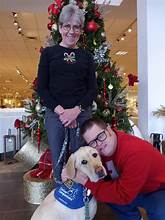
💬 Parent tip: We start our “travel countdown” about two weeks before every big trip. Each day, we check off one small task — like packing Max’s food, finding his blanket, or choosing snacks for the plane. It helps my son feel prepared and excited, rather than overwhelmed.
🎒 Step 2: Pack Smart — and for Everyone’s Sensory Needs
When packing, prioritize comfort and familiarity over perfection. For families with Autism and service dogs, packing isn’t just about clothes — it’s about creating a sense of safety away from home.
🧳 What’s in Our Holiday Travel Bag:
For My Son:
- Noise-canceling headphones
- Favorite snacks and sensory toys
- Tablet loaded with calming shows.
- Weighted blanket or small lap pad
For Max (our service dog):
- Travel bowls and bottled water
- Kibble in a sealed container
- Waste bags and wipes
- His special mat (his “safe space” wherever we go)
- Health certificate and DOT form
For Me (the mom who keeps it all together):
- All travel documents in one folder
- Extra snacks and medications
- Patience (always pack extra of that)
💬 Parent moment: I once forgot Max’s favorite chew toy on a Christmas trip. He handled it like a pro, but I could tell he missed it. Ever since, I keep a small comfort item in every bag — because familiar smells and textures calm both dogs and kids during chaos. It’s these little moments that remind me how important it is to be prepared for every situation when traveling with a service dog and a child with special needs.
🧠 Step 3: Prepare Your Child Emotionally and Sensory-Wise
The holidays can be exciting, but also unpredictable. Airports, car rides, and hotel rooms bring unfamiliar lights, sounds, and smells.
Start preparing your child weeks ahead by:
- Watching videos about airports and airplanes. Visuals help remove the fear of the unknown.
- Using social stories to explain what will happen step-by-step (security, boarding, landing).
- Practicing short trips. Even a day trip can help your child build travel stamina.
💡 Pro tip: If your child uses sensory tools (like chew necklaces for oral stimulation or fidgets for tactile stimulation), keep duplicates in case one gets lost. These tools can be a lifesaver during travel, providing comfort and distraction when your child is feeling overwhelmed.
🐕 Step 4: Make a Game Plan for Your Service Dog
Holiday travel can be overwhelming even for well-trained dogs. Crowds are bigger, noise levels are higher, and travel days are long.
Here’s how to help your service dog stay focused and relaxed:
- Stick to routine feeding times. Familiar schedules keep them grounded.
- Locate relief areas ahead of time. Many airports have maps online — screenshot them!
- Bring extra food and water. Winter weather and dry air can quickly dehydrate dogs.
- Take short walking breaks. Movement helps relieve stress for both handler and dog.
💬 During one trip, we got stuck overnight due to a snowstorm. I spread Max’s mat near a window, and my son curled up beside him. It wasn’t the hotel bed I’d hoped for — but watching them both sleep so peacefully reminded me that “home” is wherever they are together.
🏨 Step 5: Choose the Right Hotel and Room Setup
After a long day of travel, a peaceful place to land makes all the difference.
When booking your hotel, look for:
- Pet-friendly policies (though service dogs legally qualify as working animals)
- Ground-floor or corner rooms for easy relief breaks
- Accessible layouts (less clutter = fewer sensory triggers)
💡 Ask ahead: Some hotels allow you to opt out of daily housekeeping so your dog won’t be disturbed.
💬 I once requested a “quiet floor” at a family hotel and was pleasantly surprised when they placed us in a calm section near an exit — perfect for quick walks and sensory breaks.
🎁 Step 6: Prepare Your Family and Friends Before You Visit
If you’re visiting relatives for the holidays, a little education goes a long way — especially when they’ve never been around a service dog or child with Autism before.
Send a friendly message ahead of time explaining:
- What your service dog does (e.g., “Max helps my son stay calm when he’s overwhelmed.”)
- Your dog is working, so no petting or feeding.
- How your child communicates or reacts to new situations
💬 Sample message:
“We’re so excited to visit! Just a quick heads-up that Max, our service dog, will be traveling with us. He helps keep [child’s name] calm. We appreciate everyone giving him space to do his job. Thank you!”
Most people are happy to learn — they just need guidance. Framing it with warmth and gratitude helps prevent awkwardness or confusion when you arrive.
🎄 Step 7: Plan for Sensory Breaks (Yes, Even During Christmas Dinner)
Holiday gatherings can be beautiful — but also noisy, crowded, and overwhelming.
Create an “escape plan” before the festivities begin:
- Identify a quiet room or corner where your child can retreat.
- Bring noise-canceling headphones or soft music.
- Let your service dog accompany your child for grounding.
- Pack small comfort items (a blanket, stuffed toy, or weighted lap pad).
💬 During one family dinner, my son reached his limit halfway through dessert. We quietly excused ourselves to the den, dimmed the lights, and Max lay across his lap. Fifteen minutes later, he was smiling again and ready to rejoin the fun. That’s what success looks like — not perfection, but peaceful recovery.
🌟 Step 8: Permit Yourself to Slow Down
We put so much pressure on ourselves to make the holidays “perfect.” But the truth is, perfect isn’t the goal — peace is.
If your family needs to skip a party, arrive late, or leave early, that’s okay. You’re not missing out — you’re protecting your family’s comfort and peace.
💬 Parent reflection: I used to feel guilty for saying no to specific events. Now I realize that our quiet nights with hot cocoa, a Christmas movie, and Max curled up at our feet are the memories my son treasures most.
💙 Step 9: Celebrate the Small Wins
Travel with special needs takes courage — every calm airport moment, every successful hotel check-in, every meltdown recovered is a win worth celebrating.
Celebrate those victories together.
- Your child stayed calm in line? Victory.
- Your service dog handled a busy airport like a pro? Victory.
- You made it to Grandma’s house and still have a smile? Victory!
The holidays aren’t about getting everything right. They’re about being together, in whatever way works best for your family.
✨ Final Thoughts
Holiday travel with a service dog and a special needs child will always take extra planning — but it doesn’t have to mean extra stress.
With preparation, communication, and a whole lot of grace, you can turn chaos into calm and travel into something joyful.
This season, permit yourself to do things differently — to create moments of peace instead of pressure. Whether that’s watching the snowfall from an airport window or sharing quiet laughter in a hotel room, those are the real holiday memories that last.
Because at the end of the day, it’s not about the perfect trip — it’s about the love, patience, and paw prints along the way. 🐾❤️