
A parent-friendly, plain-language guide to understanding your child’s legal protections.
If you’re raising a child who depends on a service animal, you already know how life-changing that support can be. Whether the service dog helps with mobility, medical alerts, autism-related behaviors, anxiety, or emotional regulation, the bond between your child and their service animal is something truly special.
But once you step into schools, airplanes, grocery stores, parks, or therapy centers, everything gets… complicated.
Suddenly, you’re hit with questions like:
- “Are they allowed to bring the dog here?”
- “Do you have papers for that service animal?”
- “Can we deny access because of allergies?”
- “Are service animals allowed in classrooms?”
- “Can teachers pet them?”
- “What do I do if someone challenges us?”
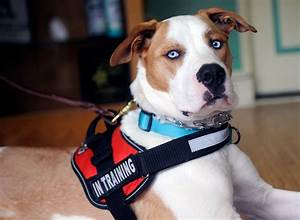
Remember, you’re not alone in this. These are questions all special-needs parents with service animals face. That’s why I’ve put together this complete, easy-to-understand guide. Think of it as a roadmap to navigating your rights — without the confusing legal jargon. You have every right to confidently advocate for your child and their service animal.
Grab a cup of coffee, breathe, and let’s walk through everything you need to know.
What Exactly Is a Service Animal? (And What It’s Not)
Before we dive into the rights themselves, it’s essential to understand the legal definition.
Under the Americans with Disabilities Act (ADA):
A service animal is a dog (or in some cases, a miniature horse) that is trained to perform specific tasks for a person with a disability.
Service animals are NOT:
- Emotional support animals (ESAs)
- Therapy animals
- Comfort animals
- Pets
- “In training” animals (rules vary by state)
Those animals have value too — but they don’t have the same legal protections as a trained service dog.
What counts as a “task”?
Tasks can include:
- Guiding children with visual impairments
- Alerting to seizures or blood sugar changes
- Applying deep pressure during meltdowns
- Interrupting self-harming behaviors
- Tracking and finding a child who wanders
- Reminding a child to take medication
- Interrupting panic or anxiety attacks
- Supporting mobility and balance
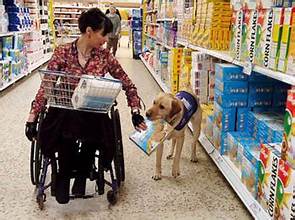
If the dog performs a trained task that mitigates the child’s disability, it is a service animal under federal law.
Service Animal Rights in Public Places. The ADA grants service animals the right to accompany their handler (your child) in nearly all public spaces. This includes:
The ADA gives service animals the right to accompany their handler (your child) in almost all public spaces. This includes:
- Stores and malls
- Restaurants
- Hotels
- Parks and playgrounds
- Medical offices
- Hospitals
- Airports
- Libraries
- Museums
- Public transportation
Employees may only ask TWO questions:
- Is the dog a service animal required because of a disability?
- What work or task has the dog been trained to perform?
And that’s it.
They may NOT ask for:
- Certification
- Registration
- “Papers”
- The child’s medical information
- Proof of disability
- Identification for the dog
- Demonstrations of the dog’s task
If you’re ever asked for papers, you can calmly say:
“Under the ADA, service animals are not required to carry identification or certification.”
You would be surprised how many people don’t know the law — even though they should.
Service Animals in Schools: What the Law Really Says
Now let’s talk about the setting families ask about the most: school.
Schools fall under Title II of the ADA, which covers government-funded entities like public schools. That means students have the right to bring their service animal with them unless the school can prove a particular reason not to.
Your child’s school must allow a service animal unless:
- The animal is out of control, and you do not take effective action
- The pet poses a direct safety threat.
- The dog is not housebroken
That’s it. They cannot deny the service dog because:
- A teacher is allergic
- Another student is scared of dogs.
- “It’s distracting.”
- “It’s a liability issue.”
- “We’ve never done this before.”
- “It’s too much responsibility for the staff.”
Handling the Service Dog at School: Your Role. This is where things can get complex, as state laws vary. However, under the ADA, a service dog must be under the handler’s control. For many children, this means:
This is where things get messy, because states vary.
But under the ADA:
A service dog must be under the handler’s control.
For many children, that means:
- The child handles the dog
- A para or school support person assists.
- The parent provides training on how to support the child.g
Schools cannot demand:
- That you hire a private handler
- That a parent remain on campus
- That the dog stay outside or in a separate room
Can schools create rules?
Yes, schools are allowed to set reasonable guidelines, such as:
- Where the dog can relieve itself
- Who can interact with the dog (usually no one)
- How the dog will be integrated into fire drills or crisis plans
But they cannot create rules that:
- Exclude the dog
- Create unreasonable barriers
- Limit the dog’s access.
- Require burdensome documentation
Service Animals in Classrooms: What to Expect
Teachers often need support in understanding the dog’s role. It’s not uncommon to meet teachers who simply don’t know what a service dog does.
Here’s what is allowed (and not allowed):
What’s allowed:
- The service dog resting beside the student
- The dog joins the child during lessons.
- Accompanies the student during therapy, specials, lunch, and recess.
- The dog is performing deep pressure tasks during class.
- The dog interrupts anxious or harmful behaviors.
What’s NOT allowed:
- Teachers or staff petting the dog
- Using the dog for the class “show and tell”
- School staff are treating the dog as a classroom pet.
- Students feeding or distracting the dog.
- Keeping the dog in a separate room
Your child’s service dog is there to work — not entertain.
What About Allergies & Fear of Dogs?
The ADA is obvious:
Fear or allergies are not valid reasons to deny access to a service animal.
But schools and businesses can take reasonable steps to accommodate everyone, such as:
- Keeping a distance between the student and the allergy-prone person
- Seating them on opposite sides of a classroom
- Adjusting classroom layouts
- Using HEPA filters
What they cannot do:
- Remove the service dog
- Force your child to relocate
- Limit their class participation.
- Exclude them from the activity.s
Service Animal Behavior Requirements
Service animals must be:
- Housebroken
- Under control
- Calm and non-disruptive
- Leashed, harnessed, or tethered (unless task requires otherwise)
What they don’t have to be:
- Registered
- Wearing a vest (recommended but not required)
- “Certified”
If someone challenges you, remind them:
“The ADA requires that the dog be well-behaved and trained to perform tasks. It does not require a vest, ID, or certification.”
What to Do If Someone Challenges Your Child’s Service Animal
It happens. A lot.
Here’s how to respond calmly and confidently:
Step 1: State the law simply.
“Our service dog is trained to perform tasks for a disability. Under the ADA, he is allowed in public spaces.”
Step 2: Answer the two legal questions (if asked).
“Yes, he is a service dog.”
“He is trained to [state tasks].”
Step 3: Redirect the conversation.
“He’s working right now, so we need to keep moving.”
Step 4: If denied access:
Ask to speak to a manager, ADA coordinator, or administrator.
Document everything.
Schools are required to have an ADA coordinator — use them.
Tips for Making Public Outings Easier
1. Keep a small “service dog rights card” in your bag
Not required — but handy when someone challenges you.
2. Use signage or a vest
Also not required, but helpful for avoiding unwanted interactions.
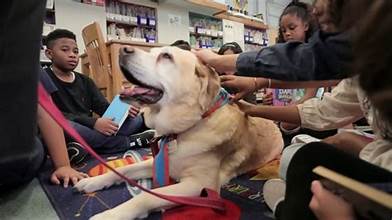
3. Train your child’s team
Teachers
Therapists
Bus drivers
Aides
Office staff
The more they know, the smoother things go.
4. Prepare for public outings
Practice commands
Bring treats
Bring water
Know your route
Plan potty breaks
5. Advocate confidently
You are not asking for favors — you’re asking for rights.
Final Thoughts: You Are Your Child’s Strongest Advocate
Navigating service animal rights can feel intimidating — especially when you’re already juggling therapies, IEP meetings, meltdowns, homework, and everything else that comes with raising a special needs child.
But here’s the truth:
You are the expert in your child’s needs.
And the law is on your side.
You’re doing an incredible job advocating, learning, and fighting for your child’s independence and safety. Your child deserves support, dignity, and accessibility — in every school, every store, every classroom, every park, and every place your family steps foot.And their service animal?
They’re not just helpful — they’re protected