
A parent-to-parent look at the apps that make mornings smoother, transitions easier, and life a whole lot calmer.
Suppose there’s one universal truth about raising a child with disabilities. In that case, it’s this: routines matter—but creating them, sticking to them, and repeating them (a million times a day) is exhausting. And while we all dream of perfectly organized mornings and meltdown-free afternoons, real life is… well, real life.
But here’s the good news: the right apps can make daily routines easier, more consistent, and less stressful for both parents and kids. Whether your child has Autism, ADHD, developmental delays, sensory processing challenges, or physical disabilities, these apps help turn chaotic moments into predictable, calmer ones.
Let’s go over the top five apps parents swear by.
1. Choiceworks
Best for: Visual schedules, emotional regulation, and transitions.
If you’ve ever wished your visual schedule could fit in your pocket, Choiceworks is the answer. This app lets you build custom routines using pictures, timers, and simple “First/Then” boards.
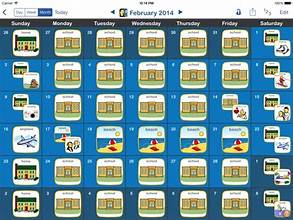
Why Parents Love It:
- Easy for nonverbal or minimally verbal kids
- Fantastic for morning & bedtime routines
- The built-in feelings chart helps with emotional regulation.
- Perfect for breaking down multistep tasks
My son used this during a challenging transition year, and it made the difference between a meltdown-filled morning and a predictable one.
2. Time Timer App
Best for: Kids who struggle with time awareness and transitions.
If your child struggles with the idea of “five more minutes,” this visual countdown app is a lifesaver. Instead of numbers, it uses a color wedge that fades away, making time visible.
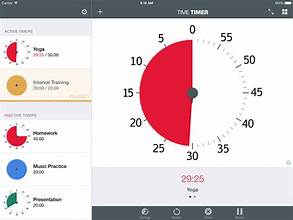
Why Parents Love It:
- Reduces anxiety around ending activities
- Helps ADHD kids see how long things really take
- Great for homework, chores, therapy tasks
- Works for kids who don’t understand clocks yet
We use it for everything: brushing teeth, finishing meals, and the dreaded “screen time is almost over” transition.
3. Proloquo2Go
Best for: Kids who use AAC or need communication support.
Proloquo2Go is one of the most widely used communication apps for children who are nonverbal, minimally verbal, or have speech delays. It lets kids build sentences using pictures and symbols.
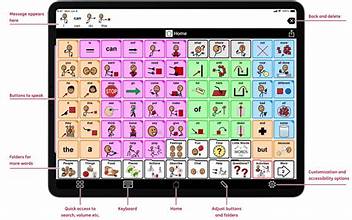
Why Parents Love It:
- Gives children a voice, even when speech is difficult
- Highly customizable for different abilities
- Helps with communication at home, school, and therapy
- Proven to reduce frustration-based behaviors
Whether your child uses AAC full-time or only during moments of overwhelm, this app allows them to express their wants, needs, and feelings.
4. Brili Routines
Best for: ADHD, executive functioning challenges, and building independence.
Brili turns daily routines into a gamified, kid-friendly experience. Think: step-by-step tasks, checklists, timers, positive reinforcement, and a built-in reward system.
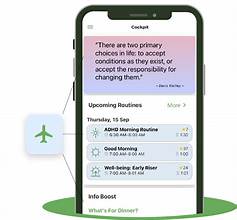
Why Parents Love It:
- Makes routines fun instead of stressful
- Helps kids stay on task with clear visuals
- Encourages independence in a gentle way
- Great for mornings, after-school routines, and bedtime
If your child gets easily distracted or struggles to stay focused, this app is like having a routine coach right in their hands.
5. Calm or Headspace for Kids
Best for: Anxiety, sensory regulation, emotional overwhelm, and bedtime.
While not disability-specific, these mindfulness apps offer guided breathing, relaxing music, sensory-friendly stories, and short meditations created just for kids.
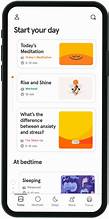
Why Parents Love Them:
- Helps kids wind down before bed
- Great for sensory overload during travel or outings
- Supports emotional regulation skills
- Provides calm-down tools that kids can use anywhere
Even if your child struggles to sit still, many kids enjoy the calming soundscapes and short, simple exercises.
Final Thoughts: Daily Routines Don’t Have to Be a Battle
Using apps isn’t “cheating”—it’s supporting your child in the way their brain works best. Tools like these can reduce stress, increase independence, and provide the structure our kids need to thrive.
And honestly? Anything that helps make mornings smoother, evenings calmer, and transitions easier is a blessing for the whole family.
Whether you’re building predictable routines for the first time or revamping what already exists, these apps give you a solid place to start.