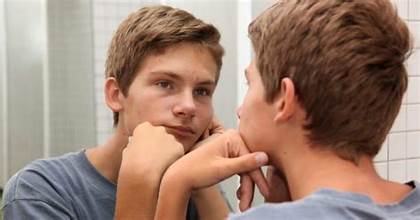
Puberty brings many changes for children, and one of the most noticeable shifts is the need for new hygiene routines.
For most kids, these habits develop gradually over time. But for autistic children, learning these new skills may require a little more guidance, patience, and structure.
Many autistic teens thrive when routines are clear and predictable. When hygiene suddenly becomes more important during puberty, it can feel confusing or overwhelming without the right support.
The good news is that with simple tools and gentle reminders, these skills can become part of a comfortable daily routine.
Here are five hygiene skills that many autistic teens may need help learning as they move through puberty.
1. Showering Regularly
As bodies grow and hormones change, regular showers become more important.
Some autistic teens may avoid showers because of sensory challenges. The feeling of water, temperature changes, or certain soaps can feel uncomfortable.
A few things that may help include:
• keeping shower time consistent each day
• using unscented or sensory-friendly soaps
• allowing your teen to choose preferred towels or products
Visual checklists posted in the bathroom can also make the steps of showering easier to remember.
2. Using Deodorant
Body odor is one of the first noticeable changes during puberty.
However, the smell or texture of deodorant can feel unpleasant for teens with sensory sensitivities.

It may take some experimentation to find a product your child is comfortable using. Some families find that:
• unscented deodorants work best
• Roll-on deodorants feel better than sprays
• applying deodorant becomes easier when built into a morning routine
Once it becomes part of a daily habit, it often feels much less overwhelming.
3. Changing Clothes Daily
Younger children sometimes wear the same clothes for comfort, but during puberty, clean clothing becomes more important.
Autistic teens may prefer familiar clothing textures and resist switching outfits.
Parents can help by:
• creating a simple morning routine chart
• preparing outfits ahead of time
• keeping comfortable clothing options available
These small adjustments can help teens feel more comfortable while still maintaining good hygiene.
4. Caring for Skin Changes
Puberty can bring acne and other skin changes that may feel frustrating for teens.
Many autistic teens benefit from simple routines such as:
• washing their face morning and night
• using gentle skincare products
• keeping routines short and predictable
Avoid introducing too many products at once. Simple routines are often easier to maintain.
5. Learning Personal Care Routines
For girls, puberty may also include learning menstrual hygiene. This can feel overwhelming without preparation.
Visual guides, simple explanations, and gradual practice can help make the process easier to understand.
Parents may also need to teach other personal care habits, such as:
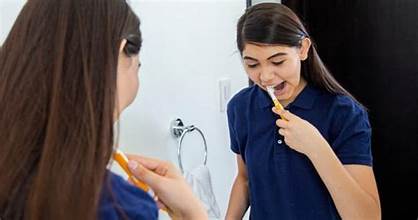
• brushing teeth consistently
• washing hands regularly
• keeping hair clean and brushed
These skills build independence and confidence over time.
Creating Predictable Routines
Many autistic teens feel more comfortable when daily expectations are clear.
Simple tools that can help include:
• hygiene charts
• visual schedules
• reminder alarms
• step-by-step routine lists
These supports turn new responsibilities into structured routines that feel manageable.
Over time, these habits become part of everyday life.
A Gentle Reminder for Parents
Learning new hygiene routines during puberty can take time.
Your child may need reminders, patience, and encouragement as they develop these skills.
Some days will go smoothly, and other days may feel frustrating.
That’s normal.
With consistent support, these habits slowly become part of your child’s growing independence.
And each new skill is another step toward helping them feel confident caring for themselves.