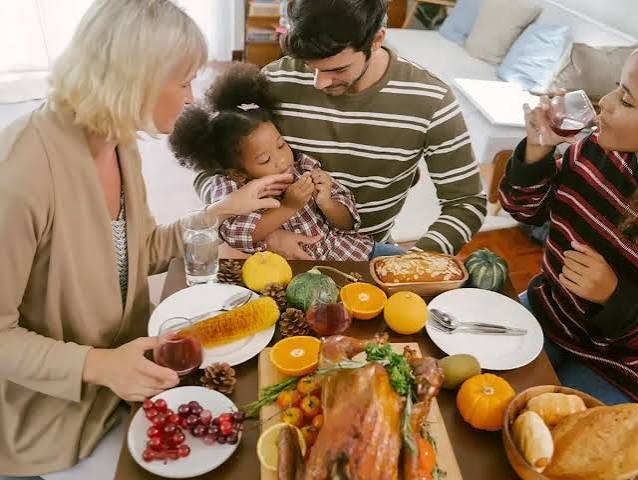
The holidays are usually filled with shopping, cooking, decorating, and preparing for family gatherings.
But have you ever thought about how many opportunities these activities offer for teaching independence?
As a parent of an autistic child, I’ve learned that everyday life can provide some of the best opportunities to practice important skills.
And the holidays are no exception.
You don’t need expensive equipment or complicated lessons.
Sometimes, all it takes is giving your child the opportunity to help with something small.
Here are five ways to build independence during the holiday season.
1. Let Your Child Help Prepare for Holiday Meals
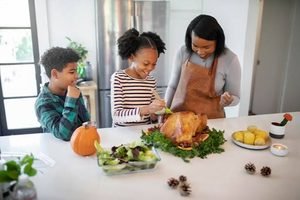
Preparing food offers opportunities to practice several life skills.
Depending on their abilities, your child might help:
- Wash fruits or vegetables.
- Put napkins on the table.
- Measure ingredients.
- Stir a bowl of ingredients.
- Arrange food on a serving plate.
Start with one manageable task and provide the support your child needs.
Use visual instructions when helpful and supervise any activity involving utensils, heat, or other kitchen hazards.
The goal isn’t to prepare a perfect Thanksgiving meal.
It’s to help your child develop confidence through participation.
2. Practice Making Small Decisions
The holidays offer plenty of opportunities to make choices.
Let your child choose between two activities, select decorations, or pick an appropriate job they’d like to do.
You might ask:
“Would you like to put out the cups or the napkins?”
“Do you want to wear your blue shirt or your green one?”
“Would you rather help decorate or organize the games?”
Offering manageable choices lets children practice decision-making without feeling overwhelmed by too many options.
3. Encourage Simple Household Responsibilities
Holiday preparation often creates extra household chores.
Instead of doing everything yourself, look for opportunities to involve your child.
They might help organize shoes by the door, put away toys, match clean towels, or arrange safe decorations.
Break tasks into smaller steps.
For example, instead of saying, “Clean the living room,” try:
“First, put the books on the shelf. Next, place the toys in the basket.”
Remember to provide assistance when needed.
Independence develops gradually, and learning to ask for help is also an important life skill.
4. Practice Communication Skills With Family
Family gatherings can provide opportunities to practice communication in meaningful ways.
Depending on your child’s needs, this might involve greeting someone, asking for an item, making a choice, or requesting a break.
For example:
“Can I have some water?”
“I don’t want a hug.”
“Could you help me?”
“I need some quiet time.”
Children who use communication devices, pictures, or gestures should have those supports available.
Don’t force social interaction or require eye contact.
Instead, focus on helping your child communicate their needs and preferences in a way that works for them.
5. Give Your Child Ownership of One Holiday Tradition
One of my favorite ideas is to let children take responsibility for one small holiday tradition.
They could choose a family movie, arrange a decoration, select dessert plates, or help prepare a special snack.
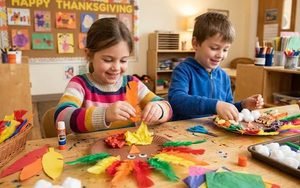
When children can contribute, they feel capable and included.
You can adapt the responsibility as their confidence and skills develop.
And there’s no need to rush.
A task completed with assistance still represents participation and learning.
Final Thoughts
Independence isn’t something our kids develop overnight.
It’s built through small experiences, repeated practice, encouragement, and opportunities to try.
The holidays can provide plenty of those opportunities.
Your child might not complete every task independently, and that’s okay.
What matters is recognizing their abilities, offering appropriate support, and celebrating their effort.
Sometimes the greatest gift we can give our kids isn’t something wrapped under a tree. It’s the confidence that comes from discovering what they can do.
And that confidence can continue growing long after the holidays are over.