
Halloween can be such an exciting time of year. There are colorful costumes, pumpkins, decorations, candy, and children eagerly waiting to go trick-or-treating.
But for some families raising children with autism, Halloween can bring an entirely different set of challenges.
The flashing lights, unexpected noises, unfamiliar costumes, and crowded sidewalks can quickly turn an exciting evening into an overwhelming experience.
As a parent of an autistic child, I understand that sometimes the activities other families take for granted require a little extra planning.
And that’s okay.
Every child deserves the opportunity to enjoy Halloween in a way that feels comfortable, safe, and fun for them.
Whether your child loves dressing up or would rather spend the evening at home, there are plenty of ways to make Halloween enjoyable without unnecessary stress.
In this guide, we’re going to explore 12 sensory-friendly Halloween ideas that can help your family celebrate while respecting your child’s individual needs.
Why Can Halloween Be Overwhelming for Children With Autism?
Halloween involves many changes that can be difficult for children who experience sensory sensitivities.
Think about everything that happens during a typical Halloween celebration.
Neighborhoods suddenly look different. Familiar houses are covered with decorations. People wear costumes that hide their faces. Doorbells ring, children shout, and flashing lights appear everywhere.
For a child who depends on predictable routines, this can be a lot to process.
Some children may struggle with:
- Loud noises, music, or unexpected screams.
- Flashing lights and moving decorations.
- Scratchy costumes, masks, or face paint.
- Crowded sidewalks and unfamiliar people.
- Changes to their normal evening routine.
- Strong smells from candy, fog machines, or decorations.
- Anxiety about knocking on doors or talking to strangers.
Other children might love certain parts of Halloween but find other activities uncomfortable.
The important thing to remember is that autism affects every child differently.
What works wonderfully for one child may not work for another.
That’s why creating a sensory-friendly Halloween starts with understanding your own child’s preferences.
1. Start Preparing for Halloween Early
One of the most helpful things parents can do is begin preparing their children before Halloween arrives.
Children who struggle with unexpected changes may feel more comfortable when they know what to expect.
Try explaining Halloween in simple steps.
For example:
- We will put on our Halloween clothes.
- We will walk outside together.
- We might see people wearing costumes.
- We can visit a few houses.
- We will return home when we’re ready.
You can also use pictures, videos, or a visual schedule to explain the evening.
If your child likes calendars, consider marking Halloween and counting down the days together.
For children who benefit from repetition, reviewing the plan several times before Halloween may help them feel more prepared.
And remember, preparation doesn’t mean everything has to happen exactly as planned.
Sometimes, knowing that plans can change is just as important.
2. Choose Comfortable Halloween Costumes
Halloween costumes can be especially challenging for children with sensory sensitivities.
Many costumes contain scratchy fabric, tight elastic, uncomfortable seams, or masks that feel strange against the skin.
Some children don’t like anything touching their faces or heads.
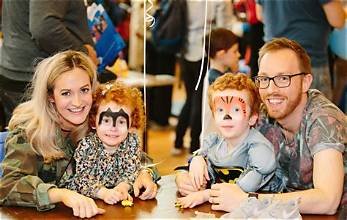
Others dislike the feeling of wearing clothes that are different from their everyday outfits.
Instead of insisting on a traditional Halloween costume, consider alternatives that feel more comfortable.
Sensory-friendly costume ideas include:
- A favorite character printed on a soft T-shirt.
- Comfortable pajamas featuring a superhero or cartoon character.
- A favorite sweatshirt paired with simple accessories.
- Regular clothing in the colors of a beloved character.
- A lightweight costume worn over familiar clothes.
Let your child help choose their costume whenever possible.
You can even practice wearing it for a few minutes at home before Halloween.
If your child decides they don’t want to wear a costume at all, that’s perfectly fine.
Halloween should be about having fun, not struggling through uncomfortable clothing.
3. Create a Visual Halloween Schedule
Visual schedules can be wonderful tools for children who feel more comfortable knowing what comes next.
A simple Halloween schedule might include:
- Eat dinner.
- Get dressed.
- Take a picture.
- Go trick-or-treating.
- Come home.
- Change into pajamas.
- Enjoy a favorite quiet activity.
You don’t need anything fancy.
A piece of paper with pictures or simple words can work beautifully.
If your child already uses a visual schedule at home, consider adding Halloween activities to it.
You might also include a picture representing a break or a change in plans.
This reminds your child that it’s okay to stop an activity if they become uncomfortable.
Parent tip: Let your child help move or check off each activity as it’s completed. That small bit of control can make the evening feel more predictable.
4. Practice Trick-or-Treating Before Halloween
For some autistic children, trick-or-treating involves several unfamiliar social expectations.
They may be expected to approach a door, wait for someone to answer, speak to someone they don’t know, and accept candy.
That is a lot of steps!

Practicing at home can make the process more familiar.
You can create a pretend trick-or-treating experience using different rooms in your house.
Have a family member stand behind a door while your child practices knocking or ringing a pretend doorbell.
Then practice receiving a treat and moving on to the next location.
Not every child will want to say “trick or treat.”
Some children communicate using gestures, pictures, communication devices, or other methods.
All of these are valid ways to participate.
A child shouldn’t have to speak or make eye contact to receive a Halloween treat.
The goal is to help your child participate comfortably, not to make them perform a particular social behavior.
5. Avoid Decorations That Cause Sensory Overload
Halloween decorations seem to become more elaborate every year.
There are giant moving skeletons, flashing lights, fog machines, and decorations that suddenly scream when someone walks past.
While some children find these decorations exciting, others find them frightening or overwhelming.
Before Halloween, consider walking or driving around your neighborhood during daylight hours.
This gives you a chance to identify houses that might be too stimulating for your child.
You can also explain that the decorations are pretend.
If your child becomes frightened by a particular house, don’t force them to approach it.
Simply move along to another location.
At home, consider decorating with:
- Soft orange lights instead of flashing lights.
- Friendly pumpkin decorations.
- Paper bats and colorful leaves.
- Small stuffed Halloween characters.
- Decorations that don’t make sudden noises.
Sometimes, simple decorations create the most enjoyable experiences.
6. Bring a Sensory Comfort Kit
A small Halloween comfort kit can make a big difference when you’re away from home.
Think about the things your child uses to feel comfortable during everyday outings.
Those same tools may be useful on Halloween.
Consider packing:
- Comfortable noise-reducing headphones.
- A familiar fidget or sensory toy.
- A favorite comfort item.
- Water and an appropriate snack.
- A small flashlight.
- A communication card or device, if your child uses one.
- Any necessary medication or emergency supplies.
Keep the kit lightweight and easy to carry.
It doesn’t need to contain everything your child owns.
Just a few familiar items may help them feel more comfortable in an unfamiliar environment.
It’s also helpful to make sure your child knows they can ask for the kit whenever they need it.
7. Choose Quieter Times for Halloween Activities
Not every Halloween celebration needs to happen after dark.
If your child becomes overwhelmed by crowds, consider participating in daytime or early-evening activities.
Some communities offer sensory-friendly Halloween celebrations, library events, or smaller gatherings.

A school or community trunk-or-treat event might also be an option, although some can be quite noisy or crowded.
Check ahead to see what the environment will be like.
If your family enjoys traditional trick-or-treating, you might start earlier in the evening when fewer people are outside.
Another option is visiting just a few familiar neighbors instead of walking through the entire neighborhood.
A short, enjoyable outing can be much better than a long evening that leaves everyone exhausted.
8. Plan a Quiet Place for Breaks
Even with careful preparation, Halloween can become overwhelming.
That’s why having an exit plan is so important.
Before leaving home, identify a quiet place where your child can take a break.
That might be your house, a family member’s home, or another safe and familiar location.
Some children may benefit from sitting quietly with a parent for a few minutes.
Others might want to remove their costume or use headphones.
Pay attention to your child’s early signs of discomfort.
These may include:
- Covering their ears.
- Becoming unusually quiet.
- Increased movement or restlessness.
- Repeatedly asking to leave.
- Crying, shutting down, or becoming frustrated.
- Trying to move away from the activity.
Remember that these behaviors may be signs that your child needs support.
They aren’t necessarily signs of misbehavior.
And if your child wants to go home, it’s okay to end the evening.
There is no required number of houses to visit.
9. Keep Halloween Safety a Priority
Safety is especially important during Halloween because neighborhoods can become busy and distracting.
For children who are impulsive, have difficulty recognizing danger, or are prone to wandering, additional precautions may be necessary.
Before heading outside, consider these steps:
- Stay close to your child and provide the supervision they need.
- Choose well-lit sidewalks and familiar streets.
- Add reflective material to costumes and treat bags.
- Carry flashlights when walking after dark.
- Use appropriate identification if your child is at risk of wandering.
- Take a current photograph of your child in their costume.
- Practice stopping and waiting before crossing streets.
- Remind your child never to enter someone’s home without permission and adult supervision.
If your child has a history of wandering, prepare an individualized safety plan before Halloween.
You may also want to discuss the outing with another trusted adult who can help supervise.
Halloween should be fun, but no candy or costume is worth putting your child’s safety at risk.
10. Offer Sensory-Friendly Alternatives to Trick-or-Treating
Not every child enjoys traditional trick-or-treating.
Some children dislike going door to door, while others find costumes and crowds too overwhelming.
Fortunately, there are plenty of alternative ways to celebrate Halloween.
Try a Halloween treasure hunt.
Hide small treats or favorite items around your house and let your child search for them.

Have a family movie night.
Choose a familiar, age-appropriate Halloween movie that your child enjoys.
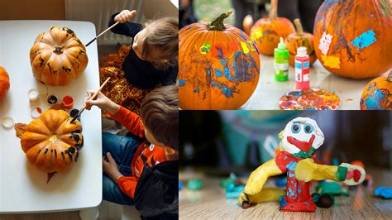
Decorate pumpkins together.
Use washable markers, stickers, or paint to decorate pumpkins without carving.
Make Halloween-themed snacks.
Create simple snacks using ingredients your child already enjoys.
Host a small Halloween gathering.
Invite one or two familiar friends or relatives for a quiet celebration.
These activities allow children to enjoy the season without the pressure of a large event.
And sometimes, those quiet celebrations become the memories families treasure most.
11. Respect Your Child’s Food Preferences and Sensitivities
Halloween and candy seem to go hand in hand.
But for some children with autism, unfamiliar candy textures, flavors, or smells can be uncomfortable.
Others may have food allergies, dietary restrictions, or difficulty eating certain foods safely.
Before Halloween, decide how you want to handle candy.
You might bring a few familiar treats from home or offer an exchange for candy your child cannot eat.
Non-food treats can also be a wonderful alternative.
Consider stickers, pencils, bubbles, or age-appropriate small toys.
Always check treats for allergens, choking hazards, and damaged packaging before allowing your child to eat them.
You can also explain your family’s candy plan before the evening begins.
This may help prevent confusion when it’s time to return home.
The goal isn’t to take the fun away.
It’s to create an experience that works for your child’s individual needs.
12. Let Your Child Decide What Makes Halloween Fun
This might be the most important tip of all.
It’s easy for parents to picture what Halloween is supposed to look like.
We imagine adorable costumes, smiling photographs, and children excitedly collecting candy.
But sometimes our children have completely different ideas.
One child may want to visit every house on the street.
Another may be perfectly happy visiting two houses.
Some children would rather hand out candy, watch a movie, or stay home in their favorite pajamas.
And that’s okay.
Give your child choices whenever possible.
Ask whether they want to dress up, decorate pumpkins, or participate in another activity.
For children who cannot easily communicate their preferences, pay attention to what they enjoy and what makes them uncomfortable.
A successful Halloween isn’t measured by how many houses your child visits or how much candy they collect.
It’s measured by whether your child feels safe, included, respected, and able to enjoy the experience.
What If Halloween Doesn’t Go as Planned?
Even with the best preparation, sometimes things don’t work out the way we hoped.
Your child might become overwhelmed after only a few minutes.
They may refuse the costume they loved the day before.
Or they might decide they don’t want to go trick-or-treating at all.
That doesn’t mean you failed.
It simply means your child is communicating what they can handle at that moment.
As special-needs parents, we often spend so much time planning and preparing that we forget something important.
We’re allowed to change the plan.
We’re allowed to leave early.
And we’re allowed to celebrate differently.
If Halloween doesn’t go as expected this year, think about what you learned.
Maybe your child enjoyed the decorations but didn’t like the crowds.
Perhaps they loved dressing up but found trick-or-treating too stressful.
Those observations can help you plan an even more enjoyable celebration next year.
Final Thoughts: Making Halloween Enjoyable for Every Child
Halloween doesn’t have to look the same for every family.
For children with autism and sensory sensitivities, a little preparation, flexibility, and understanding can make a meaningful difference.
The most important thing is finding ways to celebrate that respect your child’s comfort and individual needs.
Maybe that means trick-or-treating for 20 minutes.
Maybe it means decorating pumpkins at the kitchen table.
Or maybe it means spending a peaceful evening at home watching a favorite movie.
Whatever your family chooses, remember that your child isn’t missing out just because their celebration looks different.
They’re creating their own Halloween memories.
And those memories are just as special.
From one special-needs parent to another, I hope your family has a safe, happy, and wonderfully comfortable Halloween.