It can be easy to imagine the wonderful parts of bringing a dog home.
Your child cuddling with their new best friend.
Walking together.
Playing in the yard.
Maybe even having the dog nearby during difficult moments.
Those things can absolutely happen.
But a dog is also a long-term responsibility.
Before you bring one home, these are ten questions I think every special needs family should consider.
1. Why do we want a dog?
This is the place to start.
Are you looking for companionship? More physical activity? Emotional comfort? A family pet? A potential service dog?
Knowing what you hope the dog will bring into your family makes every other decision easier.
2. How does my child feel about dogs in real life?
Loving pictures of puppies isn’t the same as living with one.
How does your child respond when a dog barks, jumps, sniffs, licks, sheds, or gets excited?
Spend time around dogs before making the decision.
3. What are my child’s sensory triggers?
Consider noise, fur, licking, smell, movement, drool, and physical contact.
The little things people don’t normally think about may become very big things in a sensory-sensitive household.
4. Can my child safely interact with a dog?
Some kids need significant help learning boundaries.
Can your child understand that dogs need space while eating or sleeping?
Can they learn gentle touch?
Supervision may be necessary for quite a while, and that’s okay.
5. Who will really care for the dog?
Kids can help.
But ultimately, an adult needs to be prepared to take responsibility.
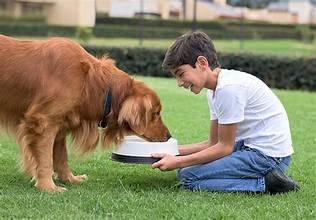
Someone has to handle feeding, exercise, training, grooming, vet appointments, medications, and the 6 a.m. bathroom trip when it’s freezing outside.
6. Can we afford a dog?
The adoption or purchase price is only the beginning.
There will be food, vaccinations, preventative care, equipment, grooming, training, boarding, and unexpected veterinary expenses.
Large dogs may also cost considerably more to feed and medicate.
7. How much exercise can our family realistically provide?
Don’t choose based on the life you wish you had.
Choose based on the life you’re actually living.
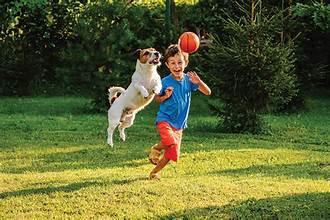
If everyone is exhausted after work and school, a dog requiring hours of intense activity every day may create more stress than joy.
8. Puppy or adult dog?
A puppy gives you the opportunity to begin training early, but puppies require a great deal of work.
An adult dog’s personality and energy level may be easier to evaluate.
For a child who thrives on predictability, that can be a major advantage.
9. Does this particular dog fit our child?
Breed can give you clues.
It can’t give you guarantees.

Look at the individual dog’s behavior, history, tolerance, energy, and comfort around kids.
The individual match matters tremendously.
10. Are we prepared for the commitment?
Dogs may be part of our families for many years.
Your child’s needs may change during that time.
Schedules may change.
The finances may change.
Your family still needs to be committed to caring for the dog through those changes.
It’s Okay to Decide You’re Not Ready Yet
This might be the most important thing I can tell another parent.
You can love dogs and still decide that now isn’t the right time.
Waiting six months or a year doesn’t mean you’re denying your child something.
Sometimes waiting is exactly what allows you to make a better decision later.
Final Thoughts
A dog can become an incredible part of a special needs child’s life.
But the best experiences usually don’t start with an impulse decision.
They start with honest questions.
Think about your child.
What about the dog?
Think about your household on its busiest, hardest day—not just the peaceful day you picture when you’re looking at puppy photos.
If a dog still feels like a good fit after you’ve considered all of that, you’ll be going into the decision with your eyes open.
And that gives both your child and the dog a much better chance of building something wonderful together.