Because we are special-needs parents, we spend a lot of time getting ready for all kinds of situations.
Such as:
School meetings.
Doctor appointments.
Medications.
Therapy schedules.
Transportation.
Emergency contacts.
Daily routines.
However, there’s one question that families with a service dog might not consider until something unexpected happens:
Who takes care of the service dog if I can’t?
If a handler becomes sick.
A parent ends up in the hospital.
There’s a family emergency.
Maybe severe weather forces everyone to leave home unexpectedly.
No matter what happens, a service dog still needs food, water, bathroom breaks, exercise, any medications, vet care, and someone who knows how to care for them safely.
That’s why every family with a service dog should have a backup care plan in place before it’s needed.
The American Red Cross specifically recommends that people who rely on service animals consider whether they will be able to care for the animal during and after an emergency and identify another caregiver if they cannot.
Start With One Simple Question
Ask yourself:
If something happened to me tonight, who could safely take care of this dog tomorrow morning?
If you immediately have a name in mind, that’s great.
Now ask the harder question:
Does that person actually know what to do?
Loving your dog is different from knowing how to care for a working service dog.
Your backup person may need to know:
- Feeding times.
- Food amounts.
- Bathroom schedule.
- Medications.
- Commands.
- Exercise needs.
- Veterinary information.
- Where equipment is stored.
- How the dog behaves while working.
- What behaviors should never be encouraged?
- How the dog travels safely.
- How to contact another trusted person if they need help.
We often keep this information in our heads.
But during an emergency, it’s important for this information to be written down and easy to find.
Choose More Than One Backup Person
Whenever possible, choose at least two people.
Your first choice might be unavailable during the same emergency.
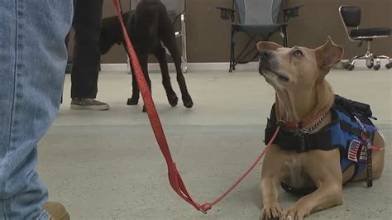
The Red Cross recommends having a personal support network and arranging for more than one person to be available during emergencies, so there is a backup if the primary person cannot help.
Your list might include:
- A relative.
- A trusted friend.
- A neighbor.
- Another service-dog handler.
- The dog’s trainer.
- A boarding facility familiar with working dogs.
- Your veterinarian.
Not everyone on the list has to be able to provide long-term care.
One person can pick up the dog.
Another may be the best person for overnight care.
Someone else may simply be the emergency contact who knows where everything is.
The main goal is to make sure you have different options.
Write Down the Dog’s Daily Routine
Writing down your dog’s routine might seem unnecessary until someone else needs to take over for you.
Write down a normal day.
For example:
Morning
- Bathroom break.
- Breakfast.
- Medication if needed.
- Water.
- Working equipment.
Afternoon
- Bathroom schedule.
- Exercise.
- Feeding, if applicable.
- Rest time.
Evening
- Dinner.
- Medication.
- Exercise.
- Final bathroom break.
- Sleeping routine.
Include anything your dog expects at particular times.
Keeping your dog’s routine familiar can help make a stressful situation a little easier.
Write Down the Commands
Imagine handing the leash to someone who has never worked with your service dog.
They might say:
“Come.”
But your dog was trained to respond to:
“Here.”
They say:
Even small differences in commands can make a big difference.wn.”
Small differences matter.
Make a list of the commands your service dog understands and what each command means.
If your dog uses specialized commands for disability-related tasks, decide which ones a backup caregiver actually needs to know.
Your service dog’s job and your family member’s medical caregiver don’t need to know every detail. They just need enough information to safely care for and manage the dog.
Keep Veterinary Information Together
Your emergency information should include:
- Veterinarian’s name.
- Veterinary office phone number.
- Emergency veterinary hospital.
- Vaccination information.
- Medication list.
- Allergies.
- Medical conditions.
- Microchip information, if applicable.
- Pet insurance information, if applicable.
The Red Cross recommends keeping medications and copies of medical records accessible as part of an animal emergency kit, along with feeding schedules, medical information, and behavioral information. Don’t want someone struggling to remember your vet’s name while they’re at an emergency clinic. And it doesn’t have to be fancy.his does not have to be fancy.
A backpack or sturdy container can work.
Consider keeping:
- Several days of food.
- Bottled water.
- Collapsible bowls.
- Extra leash.
- Backup harness or working equipment.
- Waste bags.
- Medications.
- Copies of important records.
- Towel.
- Grooming supplies.
- Familiar toy or comfort item.
- Current photo of the dog.
- Emergency contact list.
The Red Cross also recommends having sturdy leashes or harnesses, food, water, medication, medical records, identification information, and current photos available in case of an emergency.
Keep the bag somewhere another person could actually find it.
Even the best emergency kit won’t help if no one knows it’s hidden behind the holiday decorations in the basement.
Think About the Handler Too
This part is especially important when the service-dog handler is a child.
If the child and service dog need to be separated temporarily, what happens?
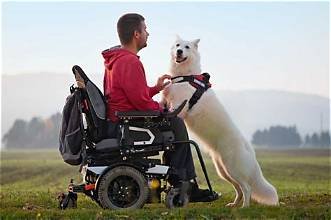
Will the child have another way to receive the support the dog normally provides?
Depending on what tasks the dog performs, the family may need a temporary backup strategy.
That might involve:
- Additional adult supervision.
- A mobility aid.
- A visual support.
- A medical alert device.
- Additional staff assistance.
- Another established safety plan.
The answer will be different for every child because service dogs perform very different jobs.
But it is worth thinking about before the separation happens.
What If the Handler Is Hospitalized?
This is exactly the kind of situation that can catch families by surprise.
The first priority is obviously getting the person the medical care they need.
But someone still needs to know what happens to the dog.
Your plan should answer:
Who is called first?
Who can physically pick up the dog?
Where will the dog stay?
Who has access to the home?
Where is the dog’s food?
Where are the dog’s records?
Who contacts the veterinarian if necessary?
You may never need the plan.
That would be wonderful.
But having a written plan can take away a big worry during an already tough day.
Plan for Evacuation Too
Emergencies aren’t always medical.
Floods, fires, power outages, storms, and other disasters can force families to leave home quickly.
Service animals assisting people with disabilities are allowed in Red Cross shelters, while policies for household pets may be different. The Red Cross still recommends planning ahead, identifying possible destinations, and knowing who could care for your animals if necessary.
Your family emergency plan should include the service dog from the beginning.
Make sure the dog is part of your plan from the start.
Let Your Backup Caregiver Practice
This might be one of the most important steps.
Don’t just give someone a list and hope everything goes smoothly in an emergency.
Let the backup caregiver spend time with the dog.
Show them:
- Where are the supplies?
- How the harness works.
- The feeding routine.
- Basic commands.
- How to safely walk the dog.
- What the dog is allowed to do.
- What behaviors should be corrected or redirected?
- How the dog travels in a vehicle.
Even practicing once can make things feel much less overwhelming if an emergency happens.
Review the Plan Every Few Months
Plans change.
Dogs change.
Medications change.
People move.
Phone numbers change.
Veterinary offices change.
The person you chose as your backup caregiver two years ago may no longer be the best choice.
Take a few minutes now and then to review the information and make sure it’s still up to date.
You don’t have to make it a big project.
Just keep everything current.
Final Thoughts
None of us likes thinking about emergencies. We would much rather believe that tomorrow will look exactly like today. Most of the time, it probably will. But having a backup care plan doesn’t mean you’re expecting something bad to happen.
It’s about making sure that if life changes suddenly, someone else knows how to help.
For families who depend on service dogs, this can bring real peace of mind. You already know how much your service dog does for your family. Now, make sure someone else knows how to care for your dog when you can’t.
Write down the routine.
Choose your people.
Gather the records.
Pack the emergency supplies.
Practice the plan.
Then put your plan away and hope you never have to use it.
Sometimes, the best emergency plan is the one you made on a regular day, long before anything went wrong.