Back-to-school preparation is not only about buying supplies and filling out paperwork.
For children with special needs, it can also be a wonderful opportunity to practice everyday skills that help them feel more confident at school. Consider individual abilities and sensory sensitivities to adapt activities, ensuring each child can participate comfortably and effectively.
Small tasks such as opening a lunch container, putting papers into a backpack, or asking an adult for help may seem simple. However, these skills can make the school day feel much easier and less stressful.
The goal is not for your child to do everything independently before school starts. The goal is to give them opportunities to practice, learn, and become more comfortable, while recognizing their current skills and readiness levels to set appropriate goals.
Here are seven simple back-to-school activities that can help build confidence and independence.
1. Practice Packing a Backpack
A backpack can quickly become disorganized, especially when a child is trying to manage papers, folders, lunchboxes, and personal belongings.
Let your child practice putting a few familiar items into their backpack.
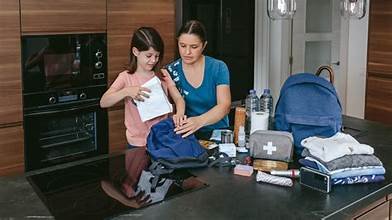
You might include:
- A folder
- A water bottle
- A pencil case
- A lunchbox
- A comfort item
- A small notebook
Show your child where each item belongs. You can add picture labels inside the backpack if that would be helpful.
Practice taking items out and putting them back in the same place.
This activity can help your child feel more confident when teachers ask them to find something during the school day.
2. Open Lunch Containers and Snack Packages
Lunchtime can be loud, busy, and rushed.
Children may feel frustrated if they cannot open a container, drink bottle, yogurt lid, or snack package. Some children may not ask for help and could go without eating.
Before school begins, prepare a few practice lunches at home.
Encourage your child to try:
- Opening and closing the lunchbox
- Unscrewing a drink bottle
- Opening food containers
- Using utensils
- Peeling a banana
- Opening snack bags
- Putting trash in the proper place
Notice which containers are difficult to open. You may decide to replace them with easier options.
Remember, asking for help is also an independence skill. Teach your child a simple phrase or communication card they can use, such as, “Can you help me open this?”
3. Choose and Prepare School Clothes
Getting dressed can become stressful when a child is tired, rushed, or uncomfortable.
Give your child two appropriate outfit choices and let them select what they would like to wear.
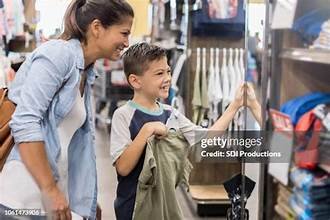
You can also practice:
- Putting on shirts and pants
- Pulling up zippers
- Fastening buttons
- Putting on socks
- Tying or fastening shoes
- Putting on a coat
- Taking clothing off and putting it away
Make sure your child is comfortable in the clothing. Tags, seams, stiff fabrics, and tight waistbands can create sensory discomfort.
You could prepare several outfits ahead of time and place each one in a labeled drawer, bin, or hanging organizer.
Choosing clothes can help children feel more involved in their routine while reducing morning decisions. Encourage your child to select their outfits or activities, fostering independence and making them more motivated to participate.
4. Follow a Simple Morning Checklist
A visual morning checklist can help children understand what needs to happen before leaving for school.
Your checklist might include:
- Use the bathroom
- Get dressed
- Eat breakfast
- Brush teeth
- Put on shoes
- Pack lunch
- Get the backpack
- Leave for school
Use photographs, drawings, symbols, or written words based on your child’s needs.
Practice the routine on a morning when you are not in a rush. Offer help when needed, but give your child time to complete steps they can manage.
Praise specific efforts.
You might say:
“You remembered to check your schedule.”
“You put your shoes on without giving up.”
“You asked for help when the zipper got stuck.”
Specific praise helps children understand exactly what they did well.
5. Practice Recognizing Personal Belongings
School classrooms can contain many backpacks, coats, water bottles, and lunchboxes that look alike.
Help your child learn to recognize their belongings.
Place their name or a familiar picture on important items. You might use a favorite animal, color, character, or symbol.
Ask questions such as:
“Which backpack belongs to you?”
“Can you find your water bottle?”
“Where is your name?”
You can turn this into a simple matching game by placing several family items together and asking your child to find their own.
Recognizing personal belongings can reduce lost items and help your child feel more responsible for their things.
6. Role-Play Asking for Help
Some children know they need help but do not know what to say or who to ask.
Practice common school situations at home.
Pretend that:
- A pencil breaks
- A lunch container will not open
- The bathroom is needed
- Directions are confusing
- Another child takes an item
- The room becomes too loud
- Your child feels sick or worried
Teach a few simple phrases, such as:
“Can you help me?”
“I do not understand.”
“I need a break.”
“It is too loud.”
“I need to use the bathroom.”
“I do not feel well.”
Children who communicate nonverbally can practice using a picture card, communication device, gesture, or signal.
Knowing how to request support can be one of the most important independence skills a child learns.
7. Practice the After-School Routine
Independence continues after the school day ends.
Create a simple routine for what happens when your child gets home.
It might include:
- Putting the backpack in one place
- Removing shoes and coat
- Taking out the lunchbox
- Washing hands
- Having a snack
- Changing into comfortable clothes
- Taking quiet or sensory time
Practice putting each item in the same location every day.
A predictable routine can make afternoons calmer and help prevent lost papers, forgotten lunchboxes, and stressful mornings, making you feel more in control.
Keep expectations realistic. Many children are tired after holding themselves together throughout the school day. They may need a break before completing any responsibilities.
Build Skills One Small Step at a Time
It can be tempting to work on every school skill at once, but focusing on one or two manageable activities can help you feel more confident and less overwhelmed.
However, too much practice can become overwhelming.
Choose one or two activities based on what will help your child most. Practice for a few minutes and stop before frustration takes over.
Your child may not complete the entire task independently. That is okay.
Maybe they can place the lunchbox inside the backpack but still need help with the zipper.
Maybe they can choose their clothes but need assistance getting dressed.
Maybe they can follow the first three steps of the morning schedule with reminders.
Independence grows in small steps. Celebrating each small success can help your child feel proud and motivated to try more.
Celebrate Progress, Not Perfection
Every child develops skills at a different pace.
Try not to compare your child with classmates, siblings, or other children of the same age.
A task that seems easy for one child may require weeks or months of practice for another.
Notice the small victories.
Celebrate when your child tries something new, finishes one step, communicates a need, or keeps trying after becoming frustrated.
These moments build confidence.
Your child needs to know that you are proud of their effort, not only the finished result.
Make Back-to-School Practice More Organized
Keeping track of routines, school information, supplies, and independence skills can be difficult.
The Paws of Ability Special Needs Back-to-School Preparation Bundle was created to help parents and caregivers organize the many little details involved in preparing for school.
You can use the pages that fit your family, skip anything you do not need, and work through the activities at your child’s pace.
Back-to-school preparation should support your family—not create more pressure.
Final Thoughts
The everyday skills children practice at home can make a meaningful difference at school.
Packing a backpack, opening lunch containers, following a visual routine, and asking for help can help children feel more capable and prepared.
Your child does not have to master every skill before the first day.
Practice gently. Offer support. Celebrate effort.
Each small step toward independence is something worth being proud of.