Back-to-school season can bring excitement, hope, and a fresh start. It can also bring worry, uncertainty, and a long list of things to do, but focusing on positive steps can help you feel more confident and hopeful.
For families of children with special needs, preparing for school often involves much more than buying notebooks, choosing new clothes, and packing a backpack.
Our children may need extra time to adjust to new routines. They may worry about a different classroom, unfamiliar teachers, loud hallways, transportation changes, or being away from home again.
Even a small change can feel very big.
The good news is that you do not have to prepare for everything in one day. Taking small, manageable steps over several weeks can help your child feel safer, calmer, and more confident about returning to school.
Here are practical ways to prepare a child with special needs for the back-to-school transition without overwhelming your child—or yourself.
Start Talking About School Early
Some children need time to understand and accept an upcoming change.
Instead of waiting until the night before school begins, start talking about it a few weeks ahead of time. Keep the conversations simple and positive.

You might say:
“School will be starting soon.”
“You will ride the bus in the morning.”
“You will see your teachers and classmates again.”
“We are going to practice your school routine together.”
Try not to give your child too much information all at once. A short conversation every few days may be easier to process than one long discussion.
Pay attention to how your child responds. Some children will ask many questions. Others may avoid the conversation or seem uninterested. That does not necessarily mean they are not thinking about it.
Continue offering reassurance to your child and yourself, using calming words and familiar routines, because it helps reduce anxiety and builds confidence for the transition.
Use a Visual Countdown
Children who struggle with understanding time may benefit from seeing exactly how many days remain before school begins.
Create a simple countdown calendar and cross off one day at a time. You could also use stickers, pictures, or colorful markers.
Your countdown might include important preparation days, such as:
- Shopping for school supplies
- Visiting the school
- Practicing the morning routine
- Packing the backpack
- Choosing the first-day outfit
- Attending an open house
- Riding past the school
A visual countdown makes the transition more predictable. It helps turn “school is starting soon” into something your child can actually see and understand.
Create a Back-to-School Social Story
A social story can explain what will happen during the school day using simple words and pictures, tailored to your child’s specific needs and comprehension level, making the information more accessible and less intimidating.
You can include information about:
- Waking up in the morning
- Getting dressed
- Eating breakfast
- Riding the bus or traveling to school
- Entering the classroom
- Seeing teachers and classmates
- Eating lunch
- Completing schoolwork
- Returning home
Keep the story focused on your child’s actual routine.
You can use photographs of the school, classroom, bus, teacher, or familiar staff members when they are available. Real pictures may be especially helpful for children who have difficulty imagining an unfamiliar situation.
Read the story together several times before the first day. Repetition can help the routine feel more familiar and less frightening.
Slowly Return to the School Sleep Schedule
Summer schedules often become more relaxed. Bedtimes may become later, mornings may begin more slowly, and daily routines can change.
Trying to return to the school schedule overnight can be difficult for the entire family.
Begin adjusting bedtime and wake-up time gradually. Move them earlier by about 10 to 15 minutes every few days until you reach the school schedule.
You can also restart parts of the bedtime routine, such as:
- Turning off electronics
- Taking a bath or shower
- Putting on pajamas
- Brushing teeth
- Reading a story
- Using calming music or sensory tools
- Preparing clothes for the next day
Children often handle early school mornings better when their bodies have time to adjust.
Practice the Morning Routine
School mornings can become stressful when everyone is trying to remember what needs to be done.
Before school starts, practicing the routine can help your child understand each step.
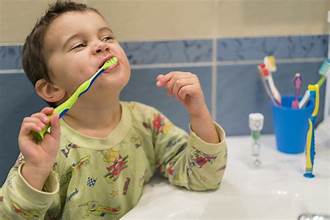
Create a simple morning checklist that includes:
- Wake up
- Use the bathroom
- Get dressed
- Eat breakfast
- Brush teeth
- Put on shoes
- Check the backpack
- Leave for school
Use words, pictures, or both, depending on what works best for your child.
You can practice the entire routine on one or two mornings before school begins. Try waking up at the regular time, getting dressed, eating breakfast, and preparing to leave the house for school.
You do not have to make the practice perfect. The goal is simply to make the routine feel familiar and involve your child in the process, because active participation can increase their comfort and sense of control.
Let Your Child Practice Important School Skills
Children often feel more confident when they have practiced the small tasks they will need to complete during the school day.
Think about the activities your child may be expected to do independently.
These might include:
- Opening lunch containers
- Using a water bottle
- Zipping a backpack
- Putting on a coat
- Fastening shoes
- Recognizing personal belongings
- Carrying a lunchbox
- Asking an adult for help
- Following a visual schedule
- Using the bathroom
- Washing hands
- Cleaning up after an activity
Choose one or two skills to practice at a time.
Remember that independence does not mean completing every task without support. Independence can also mean knowing when and how to ask for help.
Celebrate effort as much as success.
Visit the School When Possible
An unfamiliar building can feel overwhelming, especially when it is filled with students, noise, movement, and new expectations.
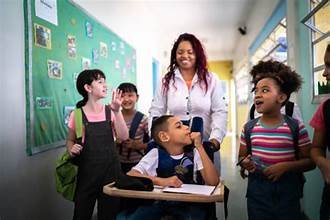
Ask the school whether your child can visit before the first day.
During the visit, try to show your child:
- The main entrance
- The classroom
- The bathroom
- The cafeteria
- The playground
- The nurse’s office
- The bus area
- A quiet or sensory space
- Where personal belongings will be kept
Take pictures if the school allows it. You can use the pictures later in a visual schedule or social story.
Even if your child attended the same school last year, a short visit may still be helpful. Classrooms, teachers, transportation arrangements, and daily routines may have changed.
Prepare for Transportation Changes
Changes to transportation can be one of the most stressful parts of returning to school.
Your child may ride a bus, travel in a van, be driven by a parent, or use specialized transportation.
Talk about what transportation will look like this year.
Practice walking to the bus stop or waiting near the pickup location. Drive past the school and point out the entrance your child will use.
Review basic safety expectations, such as:
- Waiting with a trusted adult
- Staying away from the road
- Keeping a seat belt fastened
- Remaining seated
- Keeping hands to oneself
- Listening to the driver
- Knowing who is allowed to pick them up
Some children may benefit from carrying a small comfort item during transportation, as long as the school and transportation provider allow it.
Prepare Clothing and Sensory Needs
New school clothes may look wonderful but feel uncomfortable.
Check for tags, seams, stiff fabrics, tight waistbands, unfamiliar shoes, and certain materials that may cause sensory discomfort.
Allow your child to try on school clothes before the first day. Let them wear new shoes around the house and practice walking in them.
Remove irritating tags when possible. Wash new clothing to soften the fabric.
It may also help to prepare several comfortable outfit choices in advance. It reduces the number of decisions that need to be made during busy mornings.
Consider packing approved sensory tools, such as:
- Noise-canceling headphones
- Small fidget
- A chew-safe item
- A comfort object
- Sunglasses
- A weighted lap item
- A visual communication card
Make sure all personal items are labeled with your child’s name.
Organize School Supplies Together
Invite your child to help prepare school supplies at their own comfort level.
They might choose a backpack color, place pencils in a case, add name labels, or help pack a lunchbox.
A child who has some control over the preparation process may feel more connected to the new school year.
Do not worry if your child is not interested in shopping or organizing supplies. Participation can be as simple as choosing between two backpacks or placing one favorite item inside.
Communicate With the School Team
Strong communication can make the transition easier for everyone.
Before school begins, share important information with your child’s teacher, case manager, therapist, nurse, transportation team, or support staff.
You may want to explain:
- How your child communicates
- What causes anxiety or sensory overload
- What helps your child calm down
- Important medical information
- Food allergies or restrictions
- Bathroom needs
- Safety concerns
- Common triggers
- Successful motivators
- Preferred interests
- Signs that your child needs a break
- Changes that happened over the summer
You do not need to write a long report. A short “About My Child” page can give staff the most important information quickly.
Remember to include strengths, interests, and things your child enjoys. School staff should know what helps your child shine—not only what your child struggles with.
Review the IEP or School Support Plan
Take time to review your child’s Individualized Education Program, 504 Plan, behavior plan, health plan, or other school support documents.
Make sure you understand:
- Current goals
- Accommodations
- Related services
- Transportation
- Communication
- Safety supports
- Behavior strategies
- Assistive technology
- Medical instructions
Contact the school if something appears incorrect or if your child’s needs have changed.
Children can grow and change significantly over the summer. A support that worked last year may need to be adjusted this year.
Create a Calm After-School Plan
Returning to school can be exhausting.
A child may hold everything together during the school day and release their emotions once they arrive home. This is sometimes called after-school restraint collapse.
Your child may cry, become irritable, refuse demands, seek sensory input, withdraw, or need extra quiet time.
Try to keep the first hour after school calm and predictable.
Your after-school routine might include:
- Favorite snack
- Comfortable clothes
- Quiet time
- Outdoor movement
- A sensory activity
- Screen time
- Music
- Limited questions
- Time alone in a safe space
Instead of immediately asking, “How was school?” consider using specific and low-pressure questions later.
You might ask:
“What was your favorite part of today?”
“Did anything feel hard?”
“Who did you sit with at lunch?”
“Did you need a break today?”
Some children will not be ready to talk right away. Give them time.
Expect Some Difficult Days
Even with excellent preparation, the transition may still be challenging.
Your child might sleep poorly, resist getting dressed, become emotional, complain of stomachaches, or say that they do not want to go to school.
Does not mean failure.
Transitions take time.
Respond with a calm voice:
“I know this feels scary.”
“You are safe.”
“We will take it one step at a time.”
“Everything does not have to be perfect.”
“I am proud of you.”
Look for patterns and communicate with the school if problems continue. Your child might need some additional visual support, sensory breaks, schedule changes, or emotional reassurance.
Keep Your Own Expectations Realistic
Parents often place a great deal of pressure on themselves during back-to-school season.
We want to remember every form, prepare every supply, prevent every problem, and make the first day go smoothly.
But we are human.
The backpack may not be perfectly organized. Your child may refuse the carefully chosen outfit. The morning routine may take longer than expected. Someone may forget a water bottle.
That is okay.
A successful transition is not always a perfect first day. It may be just that your child entered the building, rode the bus, asked for help, used a coping skill, or recovered after a difficult moment.
Small steps matter.
Make Back-to-School Preparation Easier
Preparing a child with special needs for the back-to-school transition involves many small steps. Trying to keep track of everything may become overwhelming.
That is why I created the Paws of Ability Special Needs Back-to-School Preparation Bundle.
The bundle was designed to help parents and caregivers organize important information, prepare routines, practice independence skills, communicate with the school, and reduce some of the stress that comes with a new school year.
It gives families one organized place to work through the preparation process at their own pace.
You do not have to complete everything at once. Choose the pages and activities that fit your child’s needs.
One Last Thought
Back-to-school preparation looks different for every family.
Some children may be excited to return. Others may need weeks of practice. Some may seem calm until the first morning arrives.
Meet your child where they are.
Use visual supports, practice routines, communicate with the school, and celebrate each step forward.
Most importantly, remember that you know your child better than anyone else. Your patience, preparation, and encouragement can help make the transition feel safer and more manageable.
The first day is never perfect.
It only needs to be the beginning.