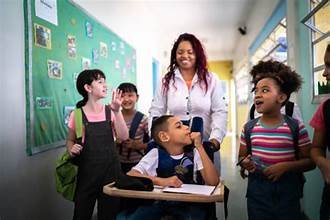
The beginning of a new school year can bring a mixture of excitement, worry, hope, and uncertainty.
For children with special needs, returning to school may involve much more than buying notebooks, choosing a new backpack, and picking out clothes. Changes in routines, teachers, classrooms, transportation, expectations, and support staff can feel overwhelming.
Parents may also feel anxious.
We wonder whether our child will adjust. We worry about communication methods, sensory sensitivities, and whether the school team understands our child’s unique needs. Explaining how to customize communication can help parents feel more confident in supporting their child’s understanding and comfort.
Preparing your child with special needs for the new school year does not have to happen all at once. Small steps taken over several weeks can make the transition feel more predictable and manageable for the entire family.
Why Back-to-School Preparation Matters for Children With Special Needs
Many children with autism, ADHD, developmental disabilities, anxiety, or sensory processing differences depend on familiar routines.
Summer often brings a more relaxed schedule. Bedtimes may become later. Mornings may move more slowly. Meals, activities, and appointments may happen at different times each day.
Then school suddenly begins, and everything changes.
Your child may need to:
- Wake up earlier
- Get dressed quickly
- Eat breakfast on a schedule
- Ride a bus or travel to school
- Follow classroom rules
- Tolerate noise and crowds
- Complete academic work
- Communicate with new adults
- Spend long periods away from home
That is a lot of change for any child.
Preparing early allows you to notice and celebrate small successes, building your child’s confidence and making the process more encouraging.
Start Talking About School Early
You do not need to talk about school constantly, especially if too much discussion increases your child’s anxiety.
Instead, mention the new school year in a calm, positive way to help your child feel more confident and less anxious about what’s ahead.
You might say:
“School will begin again soon.”
“You will see your teachers and classmates.”
“We are going to start practicing our school morning routine.”
“Your backpack will be ready for the first day.”
Keep the language simple and appropriate for your child’s level of understanding.
Some children enjoy talking about school weeks in advance. Others may become upset if the subject is introduced too early. You know your child best.
The goal is not to pressure your child into feeling excited. The goal is to make the transition feel less surprising.
Use a Visual Countdown Calendar
A visual countdown can help your child understand when school will begin.
You can use:
- A wall calendar
- A printed countdown sheet
- A dry-erase board
- A paper chain
- A calendar app
- A simple checklist
Mark the first day of school clearly. Each morning, allow your child to cross off one day or remove one link from the paper chain.
For some children, a month-long countdown may feel too long. A seven-day countdown may work better.
You can also add important events to the calendar, including:
- School shopping
- Haircuts
- Teacher meetings
- Open houses
- Bus practice
- The final day of summer camp
- The first day of school
Visual supports can make time feel more concrete. Instead of hearing that school starts “soon,” your child can see exactly how many days remain.
Gradually Return to the School Sleep Schedule
One of the hardest parts of returning to school can be adjusting sleep and wake-up times.
Trying to change the entire schedule the night before school begins may lead to exhaustion, frustration, and a difficult first morning.
Begin adjusting bedtime and wake-up time gradually.
Move bedtime earlier by 10 to 15 minutes every few nights. Wake your child slightly earlier in the morning as well.
A calming bedtime routine may include:
- Taking a bath or shower
- Putting on comfortable pajamas
- Dimming the lights
- Turning off electronics
- Reading a book
- Listening to quiet music
- Using a weighted blanket if appropriate
- Following the same steps in the same order
Sleep routines do not need to be perfect; even small adjustments can foster patience and reduce stress for you and your child.
Practice the School Morning Routine
School mornings often feel rushed, especially when several tasks must happen in a short amount of time.
Practicing the routine before the first day can make mornings feel more familiar.
Choose a few mornings during the final weeks of summer to complete the routine as though it were a school day.
Practice:
- Waking up
- Using the bathroom
- Getting dressed
- Eating breakfast
- Brushing teeth
- Brushing hair
- Putting on shoes
- Gathering the backpack
- Waiting for the bus or leaving the house
You do not need to leave the house at the end unless you want to practice the drive or bus stop routine.
Notice where your child struggles.
Does choosing clothing take too long?
Is breakfast difficult?
Does your child become distracted while getting dressed?
Is brushing teeth causing sensory discomfort?
These practice mornings can help you identify problems before the first day.
Create a Visual Morning Checklist
A visual morning checklist can reduce the number of verbal reminders you need to give.
Your checklist might include pictures or words for:
- Get dressed
- Eat breakfast
- Brush teeth
- Brush hair
- Put on shoes
- Get backpack
- Take medication
- Wait for the bus
Place the checklist where your child can easily see it.
Some children may enjoy checking off each task. Others may prefer moving picture cards from a “to-do” section to a “finished” section.
Visual checklists can support independence while making the morning routine more predictable.
Remember that independence develops slowly. Your child may still need prompts, help, or encouragement.
Using a checklist is not about expecting your child to do everything alone. It is about giving them another tool to understand what comes next.
Prepare Clothing in Advance
Clothing can become a major source of stress for children with sensory sensitivities.

Before school begins, check that clothing and shoes still fit comfortably.
Remove tags if necessary. Wash new clothing several times if the fabric feels stiff. Allow your child to try on outfits before the first day.
Consider preparing several school outfits in advance.
You might use:
- Hanging closet organizers
- Labeled drawers
- Outfit bins
- Individual hangers
- A weekly clothing chart
Letting your child choose between two acceptable outfits can provide a sense of control and reduce decision-making stress. This approach supports independence and helps your child feel more comfortable and confident in their clothing choices.
Comfort is often more important than following fashion trends. A child who feels comfortable may be better able to focus, participate, and regulate throughout the day.
Visit the School When Possible
A school visit can make the first day feel less unfamiliar.
Ask whether your child can visit before school begins. Even a brief walk through the building may help.
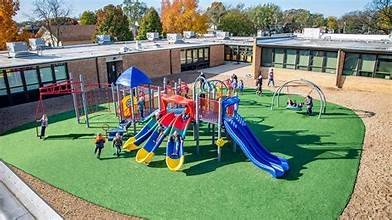
During the visit, try to locate:
- The classroom
- The bathroom
- The cafeteria
- The nurse’s office
- The main office
- The playground
- The bus area
- A quiet or sensory space
Take pictures if the school allows it.
You can use the photos to create a simple book or slideshow for your child.
For example:
“The front of my school.”
“My classroom.”
“This is where I eat lunch.”
“My Bus stops here for me.”
Seeing familiar pictures before the first day may reduce anxiety.
Create a Back-to-School Social Story
A social story can help explain what will happen during the school day.
The story can include:
- When will your child wake up
- How will they travel to school
- Who they may see
- What they may do in the classroom
- Where will they eat lunch
- What happens if they need help
- When will they return home
Keep the story positive but realistic.
Avoid promising that everything will be easy or that your child will never feel nervous.
You might write:
“Sometimes school may feel noisy or busy. I can ask for a break.”
“I may meet new teachers. My family and school team will help me.”
“At the end of the school day, I will go home.”
Read the story several times before school begins.
Practice Transportation Routines
Transportation can be one of the most stressful parts of returning to school.

If your child rides a bus, talk about:
- Where the bus will stop
- Who will help them get on
- Where they may sit
- What the ride may feel like
- Who will meet them at school
- Who will be waiting when they return home
Walk to the bus stop before the first day if possible.
If you drive your child, practice the route. Point out landmarks along the way.
Children who struggle with waiting may benefit from having a small activity available, such as a fidget toy, a picture book, or music.
Make sure the school and transportation department have updated information about safety needs, communication challenges, allergies, medical conditions, or behavior concerns.
Prepare a Sensory Support Kit
The school environment can be loud, bright, crowded, and unpredictable.
A small sensory support kit may help your child manage uncomfortable moments.
Depending on school rules and your child’s needs, the kit might include:
- Noise-reducing headphones
- A small fidget
- Sunglasses
- A soft piece of fabric
- Chewable sensory jewelry
- A visual breathing card
- Hand lotion with a familiar scent
- A small comfort item
- A first-then card
- A break request card
Discuss the kit with your child’s teacher or school team.
The goal is to ensure your child knows when and how to use the items.
Communicate With the School Team
Do not assume that every staff member has received or reviewed all the information about your child.
Before school begins, consider sending a short parent introduction sheet.
Include the most important information, such as:
- Your child’s strengths
- Communication style
- Sensory needs
- Interests and motivators
- Triggers
- Calming strategies
- Safety concerns
- Food allergies
- Medical needs
- Toileting support
- Signs of anxiety or overload
- The best way to contact you
Try to keep the document brief and easy to scan.
Teachers receive a great deal of information at the beginning of the year. A clear one-page summary may be easier to use than a long document.
You can also ask:
- How will the school communicate with you?
- Who should you contact with concerns?
- How will accommodations be provided?
- Where can your child take a break?
- What happens if your child becomes overwhelmed?
- How will transportation concerns be handled?
- Who will support your child during lunch, recess, and transitions?
Open communication can help everyone begin the year with the same understanding.
Review the IEP or Support Plan
Before school begins, take time to review your child’s Individualized Education Program, 504 Plan, behavior plan, health plan, or other support documents.
Check that the information still reflects your child’s current needs.
Look for:
- Goals
- Accommodations
- Related services
- Transportation supports
- Communication needs
- Sensory supports
- Safety plans
- Behavior strategies
- Assistive technology
- Testing accommodations
Write down any questions or concerns.
You do not need to wait until something goes wrong to contact the school. It is reasonable to ask how services and accommodations will be provided during the new school year.
Prepare for Lunch and Snacks
School meals can be challenging for children who have food allergies, feeding difficulties, sensory sensitivities, or strong food preferences.
Practice opening lunch containers, snack packages, drink bottles, and utensils.
Make sure your child can recognize their lunchbox.
Consider labeling all containers and personal items.
Pack familiar foods during the first few days when possible. A new school routine may already involve many changes. Familiar foods can provide comfort.
If your child needs help eating, opening packages, or staying safe around certain foods, communicate this clearly with the school.
Allow Your Child to Help Prepare
Including your child in the preparation process can make the new school year feel more manageable.
Depending on their ability and interest, your child may help:
- Choose a backpack
- Pick out folders
- Label supplies
- Pack a sensory kit
- Select lunch foods
- Choose first-day clothing
- Create a visual schedule
- Decorate a countdown calendar
Some children enjoy school shopping. Others may become overwhelmed by crowded stores and too many choices.
Online shopping, shopping during quieter hours, or offering only two choices may work better.
Participation should feel supportive, not stressful.
Expect Some Difficult Days
Even with careful preparation, the transition may still be hard.
Your child may:
- Sleep poorly
- Become more emotional
- Resist getting ready
- Have more meltdowns
- Seems exhausted after school
- Eat less or more than usual
- Need extra quiet time
- Show behaviors you have not seen recently
This does not mean the preparation failed.
It may simply mean your child is using a great deal of energy to adjust.
Keep after-school expectations low during the first few weeks. Your child may need time to rest, move, snack, watch a favorite show, or be alone.
Try not to schedule too many extra activities immediately after school.
Prepare Yourself Emotionally Too
Parents need back-to-school preparation as well.
We can feel relieved that school is beginning. You may also feel guilty for feeling relieved.
You will worry all day during the first week.
Check your phone repeatedly, waiting for a call.
May wonder whether your child is safe, understood, included, and supported.
These feelings are normal.
Preparing important information, communicating with the school, and creating routines can help. However, there may always be some uncertainty when we send our children into someone else’s care.
Remind yourself that you are doing what you can.
You know your child better than anyone. You are an important part of the school team, and your concerns deserve to be heard.
Celebrate Small Back-to-School Successes
Success may not look the same for every child.
One child may walk into school independently.
Another may enter while holding a parent’s hand.
Someone else might cry but still get on the bus.
A child might be only be able to stay for part of the day.
Celebrate progress that is meaningful for your child.
A successful first day does not have to be calm, perfect, or free from tears.
Sometimes success means trying something difficult.
Sometimes it means recovering after becoming overwhelmed.
Sometimes it means asking for help.
Small victories matter.
Final Thoughts
Preparing your child with special needs for the new school year takes patience, planning, and flexibility.
Begin early, but take one small step at a time.
Practice the morning routine. Adjust sleep schedules gradually. Use visual supports. Prepare sensory tools. Communicate with the school team. Review important plans and paperwork.
Most importantly, give yourself and your child time to adjust.
There may be difficult mornings and emotional afternoons. There may also be wonderful moments of growth, confidence, and independence.
Your child does not have to be completely ready for every part of the school year before the first day arrives.
They only need support, understanding, and people who are willing to help them take the next step.
And as parents, that is what we continue to do—one routine, one challenge, and one small victory at a time.