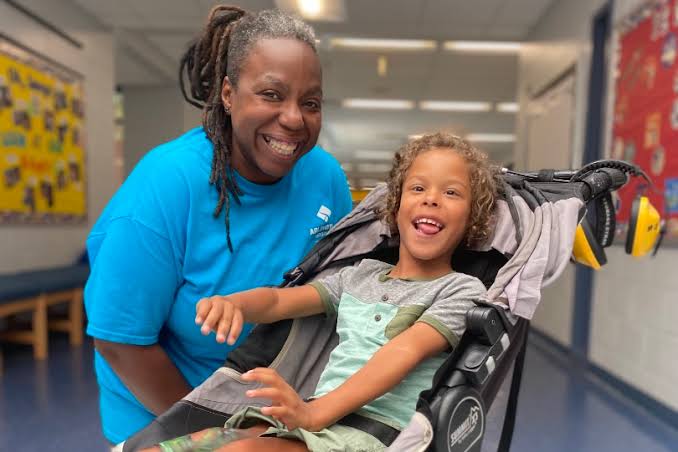
Choosing a summer camp for a child with special needs is not always simple.
For many parents, it is not just about finding a fun place with crafts, games, swimming, and outdoor activities. It is about finding a place where your child will be safe, understood, supported, and accepted.
As special needs parents, we think about things other families may not have to think about as deeply.
Can the staff understand my child’s needs?
Will they know what to do if my child gets overwhelmed?
Will they follow safety plans?
Can they communicate with me?
Will my child be included?
Will my child feel like they belong?
These are important questions.
A good special needs summer camp can give children a chance to build independence, confidence, friendships, and life skills. But the right camp should also give parents peace of mind.
Before choosing a camp, here are some important things parents should look for.
Trained and Understanding Staff
One of the most important factors to look for in a special-needs summer camp is the staff, as it helps parents feel confident and reassured.
The staff should not only be kind. They should also understand children with different needs, behaviors, communication styles, sensory challenges, and safety concerns.
Ask about staff training.
Do they have experience working with children with autism, ADHD, developmental disabilities, medical needs, anxiety, sensory processing challenges, or behavioral needs?
Do they understand that behavior is often a form of communication?
Do they know how to support a child who is overwhelmed instead of simply punishing them?
Will they use patience, redirection, visuals, calm voices, and positive support?
The right staff can make all the difference. A child needs adults who will see them as a whole person, not as a problem to manage.
A Safe Environment
Safety is usually one of the biggest concerns for parents of children with special needs.
Some children may wander. Some may not understand danger. Some may have trouble with boundaries, impulse control, water safety, traffic awareness, or staying with a group.
Before choosing a camp, ask about its safety procedures and request documentation or examples to verify them.
How do they handle children who may elope or wander?
Are doors, gates, and outdoor areas secured?
How are children supervised during transitions?
What is the staff-to-child ratio?
How do they manage swimming, field trips, playground time, or outdoor activities?
Do they have emergency plans?
A good camp should be willing to answer these questions without making you feel like you are being difficult.
You are not being overprotective. You are making sure your child is in the right environment.
Good Communication With Parents
Communication matters so much.
Parents need to know how the day went, especially if their child cannot fully explain it themselves.
A strong special needs summer camp should have a clear way to communicate with families. This could be through daily notes, phone calls, emails, an app, pickup conversations, or check-ins when needed.
Ask how they share information.
Will they tell you if your child had a hard moment?
Will they share what helped?
Ask how the camp communicates urgent concerns, behavioral changes, or emergencies to parents during and after camp hours to ensure ongoing support.
Will they contact you if your child is having a difficult day?
Good communication helps parents and staff work together. It also helps the child because everyone can remain consistent in their support and expectations.
Support for Sensory Needs
Many children with special needs have sensory sensitivities.
Camp can be loud, busy, bright, and unpredictable. There may be new smells, new foods, outdoor heat, water play, music, group games, and lots of movement.
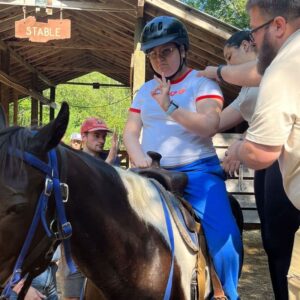
For some children, that can be exciting.
For others, it can be overwhelming.
Ask how the camp supports sensory needs.
Do they have quiet spaces?
Can a child take breaks?
Are headphones, fidgets, sunglasses, comfort items, or sensory tools allowed?
Can your child skip or modify activities that are too overwhelming?
Ask how staff are trained to notice and support sensory overload during transitions, outdoor activities, or noisy environments to ensure comfort.
A good camp should understand that sensory breaks are not bad behavior. For many children, support is necessary.
A Predictable Routine
Many children with autism, ADHD, and other special needs feel safer when they know what to expect.
A camp with a clear routine can help children feel more comfortable and confident.
Ask if the camp uses visual schedules, calendars, picture supports, timers, or verbal reminders. Ask how they prepare children for transitions and changes in the day.
Children may do better when they know:
What comes next?
Where are they going?
Who will help them?
When pickup happens.
What are the rules?
What to do if they need help.
A predictable routine can lower anxiety and help children practice independence in a supported way.
Help With Personal Care and Daily Living Skills
Some children may need help with toileting, dressing, feeding, hygiene, sunscreen, changing clothes, or managing personal belongings.
Before camp starts, be honest about what your child needs.
Ask what support the camp can provide. Do they help with bathroom reminders? Can they assist with opening lunch containers? Will they remind your child to drink water? Can they help with changing after swimming?
These may seem like small details, but they matter.
A child who needs help with daily living skills should not be made to feel embarrassed. The right camp will handle these needs with respect and dignity.
Inclusion Without Pressure
A good special-needs summer camp should include children in ways that are both meaningful and realistic.
Inclusion does not mean forcing every child to participate in every activity the same way.
Some children may jump right into group games. Others may watch first. Some may need a quieter version of an activity. Some may only participate for a short time.
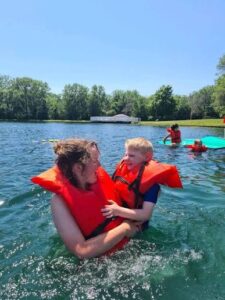
That still counts.
Ask how the camp handles children who do not want to join an activity right away.
Do they offer choices?
Can activities be modified?
Do they respect different comfort levels?
The goal should be to help children feel welcome, not pressured.
A child should not have to act like everyone else to belong.
Medical and Emergency Support
If your child has medical needs, allergies, seizures, medications, feeding concerns, or other health-related needs, this is an important area to discuss.
Ask who handles medication.
Is there a nurse on site?
Are staff trained in first aid and emergency procedures?
How do they handle allergies?
What happens if your child gets sick, hurt, overheated, or emotionally overwhelmed?
Make sure the camp has all emergency contacts, medical forms, doctor information, medication instructions, and any needed care plans before your child starts.
It is always better to share too much information than not enough.
Respect for Your Child’s Communication Style
Not every child communicates the same way.
Some children use spoken words. Some use short phrases. Some use gestures, pictures, sign language, communication devices, facial expressions, or behavior.
A good special needs summer camp should respect all forms of communication.
Ask if the staff is comfortable supporting children who communicate differently.
Will they give your child extra time to respond?
Will they use visuals or simple language?
Will they pay attention to nonverbal signs that your child is tired, scared, overwhelmed, or in need of help?
A child who feels understood is more likely to feel safe.
A Feeling of Belonging
This may be harder to measure, but it is one of the most important things to look for.
When you visit or talk with the camp, pay attention to how they speak about the children.
Do they sound patient?
Do they sound respectful?
Do they focus only on challenges, or do they also talk about strengths?
Do they seem willing to learn about your child as an individual?
Do they make you feel judged, or do they make you feel supported?
Our children deserve more than a place that simply “allows” them to attend.
They deserve a place that welcomes them.
They deserve a place where they are seen, included, and cared for.
Questions Parents Can Ask Before Choosing a Camp
Before signing your child up, it may help to ask questions like:
What experience do you have with children with special needs?
What is your staff-to-child ratio?
How do you handle meltdowns, anxiety, or sensory overload?
What safety plans do you have for children who may wander?
How do you communicate with parents?
Can my child take breaks when needed?
How do you support children who struggle with transitions?
Are activities flexible or modified when needed?
How do you handle medical needs or medications?
What happens if my child has a difficult day?
The answers to these questions can tell you a lot about whether the camp is a good fit.
Trust Your Parent Instincts
As parents, we often feel when something is right or wrong.
If a camp brushes off your concerns, avoids your questions, or makes you feel like your child is too much, that may not be the right place.
But if a camp listens, asks thoughtful questions, welcomes information, and seems willing to support your child as an individual, that is a good sign.
You know your child best.
Your concerns matter.
Your questions matter.
Your child’s safety and comfort matter.
Final Thoughts
Finding the right special needs summer camp can take time, research, and trust.
The right camp should offer more than activities. It should offer safety, communication, understanding, routine, flexibility, and respect.
It should be a place where your child can practice independence while still being supported.
It should be a place where parents feel heard.
Most of all, it should be a place where your child feels safe enough to grow and accepted enough to belong.
For families with special needs, summer camp is not just about keeping children busy.
It can be about giving them a place where they are understood, encouraged, and celebrated for exactly who they are.