For many parents of children with special needs, summer camp can bring up a lot of emotions.
There may be excitement.
There may be worry.
There may be questions like:
Will my child be safe?
Will the staff understand them?
Will they know what to do if my child gets overwhelmed?
Will my child be included?
Will they feel comfortable without me there?
As special-needs parents, we do not just drop our children off somewhere and walk away without considering every possible detail. We think about safety. We think about communication. We think about routines, sensory needs, behaviors, anxiety, medical concerns, social struggles, and whether the adults in charge will truly understand our child.
But when the right summer camp is found, something beautiful can happen.
A special needs summer camp can become more than just a place to spend the day. It can become a safe place where children practice life skills, build confidence, make choices, follow routines, and experience independence in ways that feel supported instead of scary.
For children with autism, ADHD, developmental disabilities, sensory processing challenges, or other special needs, independence does not always happen all at once. It often grows through small, repeated experiences.
And summer camp can be one of those places where independence quietly begins to bloom.
Why Independence Looks Different for Every Child
When people hear the word independence, they may think of big milestones.
Doing everything alone.
Going places without help.
Making decisions without support.
Handling every situation perfectly.
But for many children with special needs, independence often looks much smaller at first.
It may look like waiting in line without running away.
It may look like carrying their own backpack.
It may look like following a visual schedule.
It may look like asking for help instead of melting down.
It may look like trying a new activity even when they feel nervous.
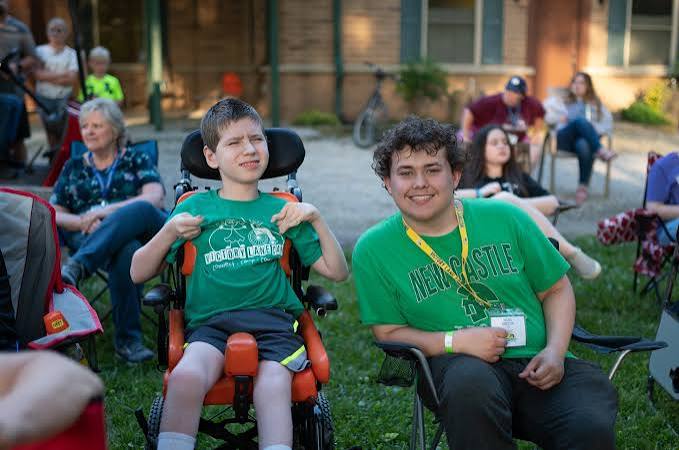
It may look like sitting with a group, joining a game, eating lunch away from home, or spending a few hours apart from a parent.
These moments may seem small to someone outside our world. But to a special needs parent, they are huge.
Independence is not about pushing our children before they are ready. It is about giving them safe chances to practice, learn, and grow with the right support around them.
That is one reason a well-run special needs summer camp can make such a difference.
Summer Camp Gives Children a Safe Place to Practice Being Away From Parents
One of the biggest steps toward independence is learning how to be away from a parent or caregiver in a safe environment.
For some children, separation is hard. They may struggle with anxiety, transitions, communication, or changes in routine. For parents, separation can be just as hard. We are used to being the ones who understand every look, every sound, every behavior, and every sign that something is wrong.
Letting someone else step in can feel scary.
But when a child attends a summer camp that understands special needs, they get the chance to practice being away from home while still having structure and support.
They learn that Mom, Dad, or their caregiver can leave and come back.
They learn that other trusted adults can help them.
They learn that they can handle parts of the day without a parent standing right beside them.
This does not mean the child no longer needs support. It simply means they are safely practicing trust, separation, and confidence.
For many children, this is a major step.
Camp Helps Children Follow a Routine Outside the Home
Many children with special needs do better when they know what to expect. Routines can help reduce anxiety and make the day feel more predictable.
A good special needs summer camp usually has a schedule. There may be arrival time, morning activities, snack, outdoor play, lunch, rest time, swimming, crafts, games, and pickup.
This kind of structure can help children practice following a routine outside of their usual home or school setting.
They learn:
What comes first?
What comes next?
Where they are supposed to go.
Who they should listen to.
How to transition between activities.
How to manage waiting.
How to return to the group after a break.
These are all independent skills.
Following a routine at camp can also help children become more flexible. They may learn that the order of activities can change sometimes. They may practice handling changes in weather, activities, or groups with adult support.
That kind of practice matters because real life does not always go exactly as planned. Camp can provide children with a safe place to experience small changes and learn to cope.
Camp Encourages Children to Make Choices
Independence grows when children are given chances to make choices.
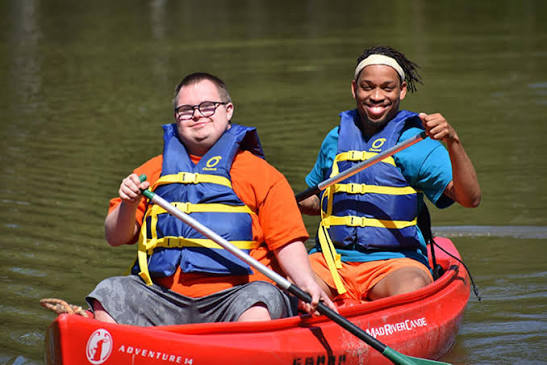
At summer camp, children may get to choose between activities, snacks, games, crafts, or who they sit near. They may be asked if they want to try something or take a break. They may choose which color to use, which station to visit, or whether to participate in a group activity.
For some children, making choices can be hard. They may need visual choices, extra time, or help understanding their options.
But even simple choices build confidence.
When a child learns that their choice matters, they begin to feel more in control of their world.
That is powerful.
For children who often have many decisions made for them because of safety, therapy, school, medical needs, or daily support, camp can offer small moments of personal decision-making.
Those small choices can lead to bigger confidence over time.
Camp Helps Children Build Social Confidence
Social skills can be challenging for many children with autism, ADHD, and other special needs. Some children want friends but do not know how to join in. Some may struggle with personal space, taking turns, reading body language, or understanding group rules. Others may prefer parallel play or quiet activities.
A special-needs summer camp can provide children with a supportive environment to practice being around other children.
They may practice:
Greeting others.
Taking turns.
Sharing materials.
Joining a group activity.
Waiting for help.
Listening to another child’s idea.
Playing beside someone.
Handling disappointment.
Using words, gestures, or communication tools to express themselves.
The goal is not to force every child to be social in the same way.
The goal is to help each child feel included, respected, and supported.
Sometimes social growth at camp looks like making a new friend. Other times, it looks like sitting near the group without feeling overwhelmed. Sometimes it looks like watching first and joining later.
All of these moments count.
Camp Gives Children a Chance to Try New Activities
Trying something new can be very difficult for children with special needs. New activities can bring sensory challenges, anxiety, motor planning struggles, communication difficulties, or fear of failure.
But summer camp often introduces children to activities they may not try at home.
They may try swimming, nature walks, music, art, games, sports, cooking, gardening, or group challenges.
With patient staff and the right support, children may feel safe enough to try.
They may not do the activity perfectly. They may only participate for a few minutes. They may watch it for the first time and try it the next day.
That is okay.
The important part is that they are being exposed to new experiences in a supportive environment.
Every time a child tries something new, they learn a little more about themselves.
They may discover they enjoy an activity they were afraid of. They may realize they can handle something hard. They may feel proud for simply trying.
That pride can carry over into other parts of life.
Camp Teaches Children to Ask for Help
One of the most important independence skills is knowing how to ask for help.
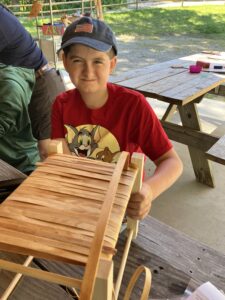
Independence does not mean never needing anyone. True independence includes knowing when support is needed and how to ask for it.
At camp, children may need help opening a snack, finding the bathroom, understanding directions, managing emotions, getting changed, applying sunscreen, or taking a break.
A supportive camp environment can help children practice asking safe adults for help.
For verbal children, this may sound like:
“I need help.”
“I don’t understand.”
“I need a break.”
“I don’t like this.”
“Can you help me?”
For children who are non-speaking or use other forms of communication, help may be requested through gestures, pictures, communication devices, sign language, pointing, or behavior.
When staff understand differences in communication, they can help children feel heard.
This is an important part of safety and independence.
A child who can communicate discomfort, fear, confusion, or a need for help is building a skill that matters far beyond summer camp.
Camp Builds Confidence Through Repetition
Many children with special needs learn best through repetition.
The first day of camp may feel overwhelming. The second day may still be hard. But after a few days, the routine may begin to feel familiar.
The child starts to know where to go.
They recognize the staff.
They remember the schedule.
They understand pickup time.
They begin to trust the environment.
That repetition can build confidence.
What felt impossible on day one may feel manageable by the end of the week.
This is why consistency matters so much. A child may need repeated chances to practice the same skill before it becomes comfortable.
Camp gives children practice in a real-life setting.
Camp Can Help Children Feel Like They Belong
This may be one of the most important parts of all.
Children with special needs are often asked to fit into places that were not built with them in mind. Parents may spend years explaining, advocating, preparing, and worrying.
So when a child finds a place where they are understood, included, and accepted, it can mean everything.
A good special needs summer camp is not just about activities.
It is about belonging.
It is about a child walking into a place and feeling like they are not the problem.
It is about staff who understand that behavior is a form of communication.
It is about adults who know that progress may look different for every child.
It is about children being allowed to grow at their own pace.
It is about parents seeing their child as welcomed rather than tolerated.
That feeling of belonging can build emotional independence. It helps children see themselves as capable, accepted, and valued.
And for parents, that can bring a kind of peace that is hard to explain.
Camp Helps Parents Practice Letting Go, Too
Independence is not only a journey for the child.
It is also a journey for the parent.
As special needs parents, we are used to being on alert. We know the triggers. We know the warning signs. We know what every behavior might mean. We know what could go wrong because we have lived through hard moments before.
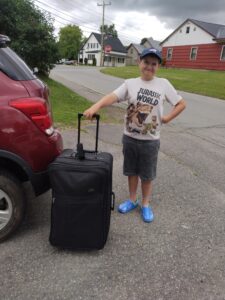
So when our child goes to camp, we may feel both proud and nervous.
We may check our phones often.
We may wonder how they are doing.
We may feel strange being home without them.
We may even feel lonely, especially if we are used to always being needed.
That is normal.
Letting our children grow can be both beautiful and emotional.
When our children practice independence, we practice trust. We learn to trust the staff, the environment, the supports, and slowly, our child’s growing abilities.
That does not mean we stop advocating. It does not mean we stop being careful. It means we leave room for growth while still ensuring our children are safe.
What Parents Can Do to Support Camp Independence
Parents can help prepare their child for a successful summer camp experience.
Here are a few simple ways to support independence before and during camp.
Talk About Camp Ahead of Time
Use simple language to explain where your child is going, who will be there, and what they may do. Some children may benefit from a social story, pictures, a calendar, or a visual countdown.
Practice Small Skills at Home
You can practice skills like carrying a backpack, opening lunch containers, putting on shoes, waiting, asking for help, or following a simple schedule.
These little things can help your child feel more confident at camp.
Share Important Information With Staff
Tell the camp what helps your child. Share triggers, calming strategies, communication needs, medical concerns, safety concerns, and anything else that matters.
Do not feel like you are being too much. You are helping the staff understand your child.
Start With Realistic Expectations
Your child may not love every activity. They may have hard moments. They may need extra support. That does not mean the camp is not working.
Growth can be slow.
Look for small signs of progress.
Celebrate the Small Wins
Maybe your child waited patiently. Maybe they tried something new. Maybe they walked in with less anxiety. Maybe they followed one direction. Maybe they made it through the day.
Celebrate it.
Small wins are still wins.
Signs That Camp Is Helping Your Child Grow
Sometimes progress is easy to miss because it does not always look dramatic.
Here are some signs that summer camp may be helping your child build independence:
They separate from you a little more easily.
They recognize the camp routine.
They talk about camp at home.
They show pride in something they did.
They try a new activity.
They ask for help from another adult.
They tolerate waiting better.
They carry their own items.
They seem more comfortable with the staff.
They recover faster after a hard moment.
They look forward to going back.
Not every child will show progress in the same way. Some children may need more time. Some may show progress at camp before they show it at home. Others may be tired after camp because they worked so hard all day.
That is okay.
Independence grows in layers.
A Gentle Reminder for Parents
If you are considering summer camp for your child with special needs, it is okay to feel nervous.
It is okay to ask questions.
It is okay to want details.
It is okay to need reassurance.
You are not being overprotective. You are a parent who knows that your child needs the right support to succeed.
The goal is not to send our children into situations where they are overwhelmed, misunderstood, or unsafe.
The goal is to find places where they can be supported, encouraged, and accepted while they practice growing in small ways.
When the right camp is found, it can become a place where your child learns more than crafts, games, or songs.
They may learn:
I can do hard things.
I can be away from my parents and still be safe.
I can ask for help.
I can try something new.
I can follow a routine.
I can belong here.
And those lessons matter.
Final Thoughts
Summer camp can be a powerful experience for children with special needs.
It can help them build independence, confidence, social skills, communication, and trust. It gives them a chance to practice real-life skills in a safe and supportive environment.
For parents, it can also be a reminder that our children are growing, even when the progress is slow. They are learning. They are trying. They are becoming more capable in their own time and in their own way.
Independence does not always arrive in big, obvious moments.
Sometimes it shows up when a child waits patiently.
Sometimes it shows up when they walk into camp a little more confidently.
Sometimes it shows up when they try something new.
And sometimes it shows up in the quiet realization that your child has found a place where they feel safe, accepted, and proud to be themselves.
For a special-needs family, that kind of growth is worth celebrating.