Summer Camp Can Be a Big Step Toward Independence
For many parents of children with special needs, the word “independence” can evoke a range of emotions.
We want our children to grow, learn, and become more confident. We want them to try new things and discover what they are capable of doing. But we also know that independence does not always come easily.
For children with autism, ADHD, developmental disabilities, sensory needs, anxiety, or other special needs, independence often happens in small steps.
Sometimes it looks like packing a bag.
Sometimes it looks like following a routine.
Sometimes it looks like asking a counselor for help.
Sometimes it looks like saying goodbye to Mom or Dad without tears.
And sometimes, summer camp becomes one of the places where those small steps begin to grow into something much bigger.
Camp Gives Children a Safe Place to Practice Being Away From Home
One of the most important ways summer camps help children with special needs build independence is by giving them a chance to spend time away from home in a supportive setting.
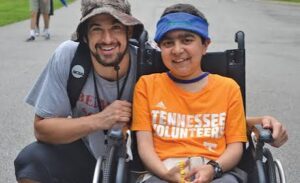
This can be hard for both the child and the parent.
As parents, we are used to being the ones who know every routine, every trigger, every comfort item, and every warning sign. We know how our child communicates. We know when they need a break. We know what certain looks, movements, or behaviors mean.
Letting someone else step into that role, even for a short time, can feel scary.
But when the right camp has caring, trained staff and a good support plan, children can begin to learn that they can be okay with other trusted adults, too.
They learn:
I can ask someone else for help.
I can follow another adult’s directions.
I can sleep, eat, play, or participate away from home.
I can handle a new place with support.
I can be safe even when my parent is not right beside me.
That is a powerful lesson.
Camp Helps Children Follow New Routines
Many children with special needs do better with structure and routine. Summer camp gives them a chance to practice following a new daily schedule.
They may have a set time for meals, activities, rest, outdoor play, swimming, crafts, games, or bedtime if it is an overnight camp.
At first, a new routine may feel overwhelming. But with patience and support, it can help children build flexibility.
They learn how to move from one activity to another. They learn how to wait for their turn. They learn how to listen for instructions. They learn how to adjust when the day does not go exactly as planned.
These are not small skills.
They are life skills.
The same skills children practice at camp can help them at school, at home, in the community, and eventually in adulthood.
Camp Encourages Children to Try New Things
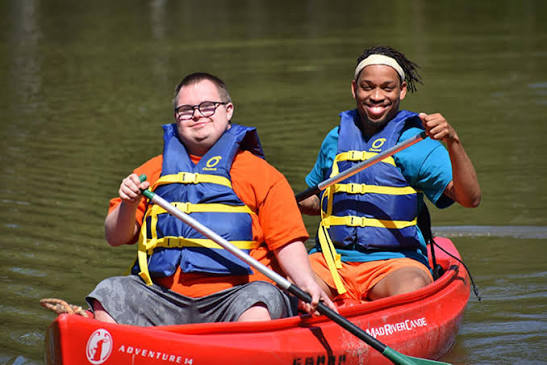
Summer camp gives children the chance to try activities they may not try at home.
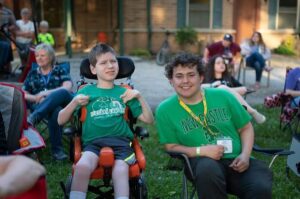
This could include art, music, swimming, hiking, sports, nature activities, group games, cooking, or simple team-building activities.
For a child with special needs, trying something new can take a lot of courage.
A child may feel unsure at first. They may need extra time. They may need an activity explained differently. They may need to watch before joining in.
That is okay.
The goal is not perfection. The goal is exposure, encouragement, and growth.
When a child tries something new and realizes they can do it, their confidence grows. Even if they only participate for a few minutes, that effort matters.
Every new experience helps build a little more independence.
Camp Builds Social Skills in a Natural Way
Social skills can be difficult for many children with autism, ADHD, and other special needs. Camp can give children a natural place to practice those skills.
They may practice:
Saying hello
Playing games with others
Taking turns
Sharing materials
Listening to another child’s idea
Joining a group activity
Asking for space
Solving small problems
Handling disappointment
These skills can be hard to teach only through talking. Children often learn best by practicing in real situations with support nearby.
Camp gives them those real-life opportunities.
They do not have to become social butterflies. They do not have to make a best friend right away. Even small moments of connection can be meaningful.
Sitting next to another camper at lunch, playing a card game, laughing during an activity, or following a group routine are all signs of growth.
Camp Can Help Children Gain Confidence
Confidence is not built all at once.
For children with special needs, confidence often grows through repeated small wins.
At camp, those wins may look like:
Carrying their own bag
Finding their room or cabin
Learning a new rule
Trying a new food
Asking a counselor a question
Participating in an activity
Sleeping away from home
Making it through the day
Saying goodbye without becoming overwhelmed
Each success teaches the child, “I can do this.”
That feeling can carry over into other areas of life.
A child who gains confidence at camp may become more willing to try new things at home, at school, or in the community. They may begin to believe in themselves a little more.
And for parents, seeing that growth can be emotional.
Sometimes our children are more ready than we realized.
Camp Supports Daily Living Skills
Summer camp can also help children practice daily living skills in a real-world setting.
Depending on the child and the type of camp, they may practice:
Getting dressed
Keeping track of belongings
Brushing teeth
Washing hands
Choosing clothes
Making a bed
Cleaning up after activities
Following mealtime routines
Managing personal hygiene
Keeping a schedule
These skills may seem simple, but they are important steps toward independence.
At home, parents often step in quickly because we are busy, tired, or trying to avoid a meltdown. That is understandable. We all do it.
But camp gives children a chance to practice these skills with other adults, encouraging them. Sometimes children will do things for counselors that they resist doing for parents.
That does not mean we are doing anything wrong.
It simply means a new environment can bring out new growth.
Camp Helps Parents See Their Child Differently
One of the unexpected gifts of summer camp is that it can help parents see their child in a new way.
We spend so much time protecting, planning, reminding, and supporting that it can be hard to step back.
Camp can show us that our children are growing.
Maybe they separate more easily than they did last year.
Maybe they follow directions from a counselor.
Maybe they participate in an activity they used to avoid.
Maybe they show more maturity than we expected.
These moments matter.
They remind us that independence does not always happen in a straight line. Some days are hard. Some transitions are messy. Some skills take years.
But growth is still happening.
Sometimes we notice it most clearly when we step back just enough to see what our child can do.
Parents Can Support Independence Before Camp Starts
Parents can help children prepare for camp by practicing small independence skills ahead of time.
You can practice:
Packing a backpack
Choosing clothes
Opening snack containers
Asking for help
Following a simple visual schedule
Using coping tools
Taking turns in games
Sleeping with a comfort item
Talking about safe adults
Practicing short separations
You do not have to do everything at once. Pick one or two skills that matter most for your child.
Small practice at home can make camp feel a little less overwhelming.
Final Thoughts
Summer camps can help children with special needs build independence in meaningful ways.
They offer a place to practice being away from home, follow routines, try new activities, build social skills, and learn daily living skills. They can help children gain confidence and discover that they are capable of more than they may have realized.
As parents, it is normal to feel nervous. Letting go, even a little, can be hard.
But independence does not mean our children no longer need us. It means they are learning, step by step, how to trust themselves, too.
And sometimes, summer camp gives them the space to show us just how much they have grown.