As parents of children with special needs, we spend a lot of time teaching.
We teach daily living skills. We teach communication skills. We teach social skills. And we teach safety skills.
The problem is that many children don’t enjoy sitting down for what feels like another lesson.
The good news is that safety skills can be naturally integrated into daily routines, making learning feel seamless.
As the parent of an autistic child, I’ve learned that practicing safety skills as part of our normal routine increases opportunities for real-life application and progress.
Here are five simple ways to practice safety skills without making it feel like a lesson.
1. Turn Grocery Store Trips Into Safety Practice
Every trip to the store offers opportunities to practice important safety habits.
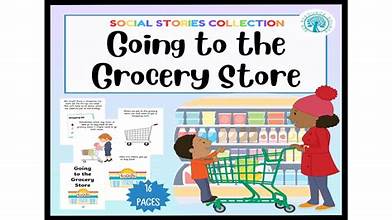
Before entering, remind your child of one simple goal:
“Stay where I can see you.”
While shopping, practice:
- Walking beside an adult
- Stopping when asked
- Looking both ways in parking lots
- Staying calm in busy environments
You don’t need a formal lesson plan. A quick reminder before entering the store and praise afterward can go a long way.
2. Play “What Would You Do?” Games
Many children learn best through role-playing.
During car rides, dinner, or quiet moments, ask simple questions such as:
- What would you do if you couldn’t find me at the park?
- What would you do if a stranger offered you a ride?
- What would you do if you got separated from me in a store?
Keep the conversation light and supportive.
The goal isn’t to scare children. The goal is to help them think through situations before they happen.
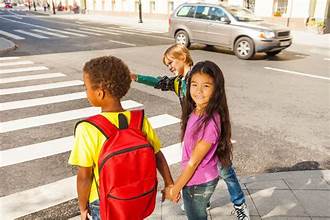
3. Practice Safety During Walks
Neighborhood walks are a great opportunity to build safety skills.
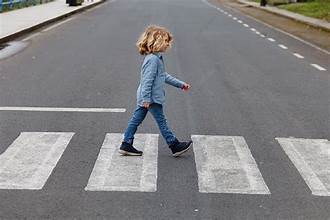
As you walk together, practice:
- Stopping at driveways
- Looking both ways before crossing
- Staying on sidewalks
- Watching for cars backing up
Many children learn better through movement than through discussion.
By practicing during walks, children experience the skill rather than simply hearing about it.
4. Use Visual Reminders Around the House
Visual supports can make safety expectations easier to remember.
Some examples include:
- Stop signs near doors
- Visual checklists for outings
- Pool safety reminders
- Personal space visuals
- Community safety rules
Children often respond well when expectations are clear and consistent.
Visual supports also reduce the need for repeated verbal reminders.
5. Celebrate Safe Choices
One of the most powerful teaching tools is praise.
When your child makes a safe choice, point it out.

Examples might include:
- Stopping at a curb without being reminded
- Staying close during an outing
- Asking for help appropriately
- Following a safety rule independently
Children are more likely to repeat behaviors that receive positive attention.
Sometimes we become so focused on correcting mistakes that we forget to celebrate progress.
Even small victories deserve recognition.
Small Practice Sessions Add Up
Many parents worry that they aren’t doing enough.
The truth is that safety skills are built one small moment at a time.
A reminder before entering a store.
A role-play question during dinner.
A quick practice while walking through a parking lot.
These moments may seem small, but they add up over time.
As parents, we don’t have to create perfect lessons.
We simply have to create opportunities.
The more children practice safety skills in everyday life, the more natural those skills become.
And one day, often when we least expect it, we see our children use those skills on their own.
Those are the moments that remind us our efforts are working.
Final Thoughts
Teaching safety doesn’t have to feel overwhelming.
Some of the best lessons happen during ordinary moments that are already part of your day.
Whether you’re shopping, taking a walk, or talking at the dinner table, practicing safety naturally helps your child develop lasting skills, making safety feel like a normal part of daily life and easing your worries.
Keep practicing.
Keep encouraging.
And don’t forget to celebrate the small wins along the way.
Because every safe choice is another step toward greater confidence and independence.