If you’ve been thinking about a service dog for your child, you’ve probably asked yourself:
“Would this actually help… or am I just hoping it will?”
It’s such a real, honest question.
Because when you’re trying to support your child, you want to make the right decision—not just the hopeful one.
And the truth is:
👉 A service dog can be an incredible support for some children…
👉 But it’s not the right fit for every child—or every stage.
Let’s walk through some signs that it might be helpful—and some signs it might not be the right time just yet, such as your child’s ability to interact safely with dogs or their comfort level around animals.
🐾 Signs Your Child Might Benefit from a Service Dog
Every child is different—but there are some common patterns parents often notice.
1. Safety Is a Concern
If your child:
- Tends to wander or bolt
- Has difficulty recognizing danger
- Needs extra support in public spaces
A service dog can sometimes help provide an added layer of safety and structure.
2. Anxiety or Sensory Overwhelm Is Frequent

If your child:
- Becomes easily overwhelmed in busy environments
- Struggles with transitions
- Experiences frequent anxiety
A service dog’s calm presence and trained responses can help with grounding and regulation.
3. Emotional Regulation Is a Challenge
If your child:
- Has difficulty calming down once upset
- Struggles with big emotional reactions
- Needs support returning to a calm state
A service dog may help interrupt behaviors and provide comfort during those moments.
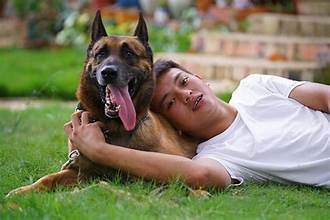
4. Your Child Connects Well with Animals
This one matters more than many people realize.
If your child:
- Shows interest in animals
- Feels calmer around dogs
- Engages more easily with animals than people
That connection can make a big difference in how effective a service dog is.
5. You’re Looking for Support, Not a Solution
A service dog works best when families understand:
👉 It’s a support tool—not a cure
If you’re looking to add support (not replace therapies, routines, or strategies), that’s a strong starting point.
⚠️ Signs It Might Not Be the Right Time (Yet)
This part is just as important—and often not talked about enough.
Understanding whether your child fears or is uncomfortable around dogs helps you respect their feelings, fostering patience and care.
If your child:
- Is scared of dogs
- Avoids them
- They become overwhelmed by their presence
A service dog may create more stress than support.
Recognize your family’s capacity to handle the added responsibilities, so you feel supported and confident in your decision.
A service dog adds:
- Daily care
- Training consistency
- Time and responsibility
If things already feel like too much, adding a service dog might not be helpful right now.
3. You’re Hoping for a Quick Fix
It’s completely understandable to hope for relief.
But a service dog will not:
- Instantly stop behaviors
- Solve every challenge
- Replace other supports
If the expectation is immediate change, it can lead to disappointment.
4. Your Child Is Not Ready for the Interaction Yet
Some children need time before they can:
- Respect a dog’s space
- Understand boundaries
- Interact safely and consistently
That readiness matters for both your child and the dog.
5. The Timing Just Doesn’t Feel Right
Sometimes there isn’t a clear reason.
It just doesn’t feel like the right moment.
And that’s okay.
You’re allowed to wait.
💛 The “Not Yet” Is Just as Important as the “Yes.”
Choosing to wait is a respectful and thoughtful decision that empowers you to prioritize your child’s readiness and comfort.
It’s thoughtful parenting.
It means you’re:
- Considering your child’s needs
- Thinking about your family’s capacity
- Making a decision based on reality—not pressure
And that matters.
🧠 Questions to Help You Decide
If you’re unsure, try asking yourself:
- What specific challenges am I hoping this will help with?
- How does my child currently respond to animals?
- Am I prepared for the responsibility this involves?
- Does this feel like the right time—or just a hopeful idea?
There’s no rush to answer these.
A Gentle Reminder for Parents
You don’t have to make this decision quickly.
You don’t have to follow what other families are doing.
And you don’t have to say yes just because it might help.
You’re allowed to take your time and choose what truly fits your child.
Conclusion
A service dog can be a powerful support—but only when it’s the right fit.
Sometimes the answer is:
Yes
Not yet
Or not at all
And all of those are okay.
Because the goal isn’t to do what works for everyone else.
👉 It’s to do what works for your child 💛