If you’ve started looking into support animals for your child, you’ve probably seen a lot of different terms:
- Service dog
- Therapy dog
- Emotional support animal
And honestly?
Understanding these terms clearly is essential for parents to make informed choices and avoid confusion in everyday life.
They all sound similar.
They all involve animals helping people.
But they are not the same thing.
Understanding the difference is important—not just for making the right choice for your child, but also for knowing what to expect in everyday life.
Let’s break it down in a simple, parent-friendly way.
🐾 What Is a Service Dog?
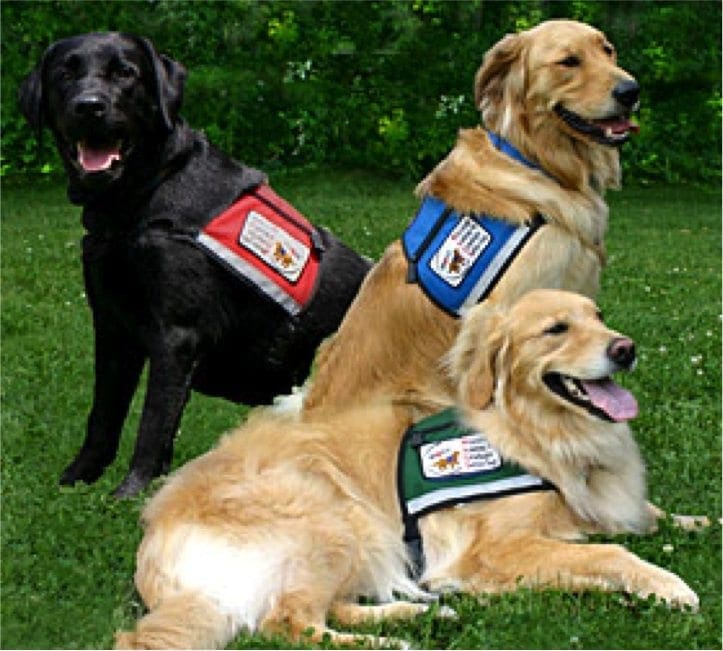
A service dog is a specially trained working animal.
These dogs are trained to perform specific tasks that help a person with a disability function more safely and independently.
For children with autism, that might include:
- Preventing wandering or bolting
- Providing deep pressure during anxiety
- Interrupting harmful behaviors
- Helping with transitions or routines
👉 Key Point:
Service dogs are trained for one person and their specific needs.
🐾 What Is a Therapy Dog?
A therapy dog is trained to provide comfort and emotional support—but not to perform specific tasks for one person.
These dogs often:
- Visit schools, hospitals, or therapy centers
- Work with multiple people
- Help create a calm and positive environment
👉 Key Point:
Therapy dogs are shared support animals, not assigned to one child.
🐾 What Is an Emotional Support Animal (ESA)?
An emotional support animal provides comfort simply through companionship.
They:
- Do not require specialized task training
- They are typically prescribed for emotional support
- Help reduce anxiety, stress, or emotional distress
👉 Key Point:
They provide support through presence—not trained tasks.
🧩 The Biggest Differences (Simple Breakdown)
| Type | Trained Tasks | Works With One Person | Public Access |
| Service Dog | ✔️ Yes | ✔️ Yes | ✔️ Yes |
| Therapy Dog | ❌ No (general comfort) | ❌ No | ❌ Limited |
| Emotional Support Animal | ❌ No | ✔️ Yes | ❌ Limited |
🚪 What About Public Access?
This is one of the biggest differences—and one that surprises many parents.
- Service dogs can go into most public places (stores, restaurants, etc.)
- Therapy dogs can only go where they are invited (schools, therapy settings)
- Emotional support animals do not have general public access rights
This matters when you’re thinking about daily life.
Choosing the Right support animal depends on your child’s unique needs and daily routines, making this decision personalized and thoughtful.
There’s no one “best” option.
It depends on your child’s needs.
👉 A service dog may be helpful if your child needs:
- Safety support
- Behavior interruption
- Consistent, task-based assistance
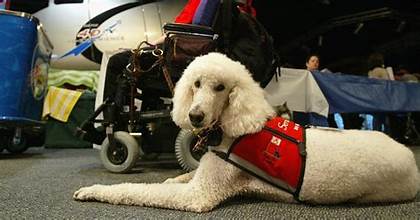
👉 A therapy dog may be helpful if your child benefits from:

- Occasional emotional comfort
- Structured environments like school or therapy
👉 An emotional support animal may be helpful if your child needs:
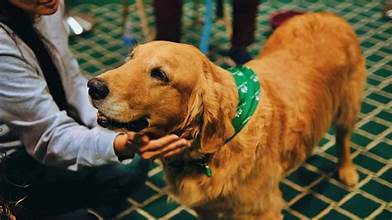
- Companionship
- Emotion calming at home
⚠️ A Gentle Note for Parents
It’s easy to assume that a service dog is the “best” or most helpful option.
But that’s not always true.
Sometimes a simpler option—like a therapy dog program or a family pet providing emotional support—can be just as meaningful.
What matters most is:
👉 What fits your child
Deciding what support fits your family can be a thoughtful process, helping you feel reassured that you’re making the best choice for your child’s needs.
👉 What feels manageable in your everyday life
🧠 Why This Confusion Happens
These terms are often used interchangeably online and in conversation.
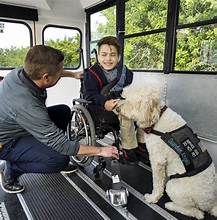
Understanding that these terms represent very different roles, expectations, and commitments. Can help parents feel more in control and less overwhelmed by the options.
Taking the time to understand the differences helps you make a decision that feels informed—not overwhelming.
A Gentle Reminder for Parents
You don’t have to figure everything out right away.
You’re allowed to:
Ask questions
Take your time
Explore options
This is a big decision—and you’re approaching it thoughtfully.
That matters.
Conclusion
Service dogs, therapy dogs, and emotional support animals all provide support—but in very different ways.
Understanding those differences helps you:
- Set realistic expectations
- Choose the right path
- Feel more confident moving forward
And no matter what you decide…
You are doing what every parent does best—
looking for ways to support your child 💛