Some parenting topics feel harder than others.
Teaching personal boundaries is one of them.
Because it’s not just about rules…
It is about safety.
It’s about social understanding.
It’s about helping our children navigate a world that doesn’t always make sense to them.
And if your child struggles with things like:
- Getting too close to others
- Touching things that aren’t theirs
- Walking into spaces they shouldn’t
You are not alone.
This is something so many of us are trying to teach—and it’s not always easy.
But the good news is… this process is manageable, and your consistent efforts will help your child learn in a way they understand, which will make you feel more confident and supported.
It can be taught—gently, clearly, and in a way your child understands.
🧠 Why Boundaries Can Be Hard for Kids With Autism
Before we teach, it helps to understand.
Many children with autism:
- Don’t naturally pick up on social cues
- Struggle with abstract concepts like “personal space.”
- Learn best through clear, concrete examples

So when we say things like:
👉 “Give people space.”
👉 “That’s not appropriate.”
…it may not fully make sense to them.
That’s why we need to teach boundaries in a way they can actually see and understand.
🧩 Start With Clear, Simple Rules
Instead of general phrases, use specific and consistent language.
Examples:
- “You keep your hands to yourself.”
- “We do not go into other people’s yards.”
- “We do not look into windows.”
💡 Keep the wording the same every time—this helps it stick.
🖼️ Use Visual Supports (Game Changer)
Visuals make abstract ideas concrete.
Try:
- Picture rules (hands to self, stop sign, etc.)
- Social stories
- Simple charts with “Yes” and “No” behaviors
For example:
✔ Standing next to someone = OK
❌ Standing too close or touching = Not OK
Visuals give your child something they can see, not just hear.
🎭 Practice Through Real-Life Scenarios
Teaching in the moment is important—but practicing ahead of time is powerful.
Try:
- Role-playing situations
- Practicing greetings (“wave” instead of touching)
- Walking outside and pointing out boundaries
💡 Example:
“See that house? That is their space. We stay on the sidewalk.”
🔁 Repetition Is Everything
This won’t click overnight.
Or one week.
And that’s okay-remember, patience is key, and your steady approach will help your child learn over time.
Children with autism often need:
- Repetition
- Consistency
- Gentle reminders
You are not failing—you are teaching.
💛 Stay Calm and Neutral When Correcting
When a boundary is crossed, it can feel stressful or even scary.
But how we respond matters.
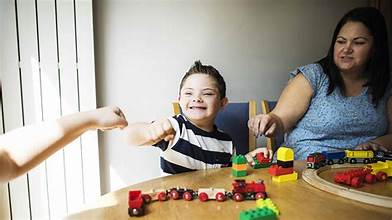
Try to:
- Stay calm
- Use simple language
- Redirect instead of scolding
Example:
👉 “We don’t go there. Let’s walk this way.”
This keeps your child from feeling overwhelmed while still learning.
🛑 Teach Safety Along With Boundaries
Some boundaries are about safety—not just social rules.
Important ones to teach:
- Not entering other people’s property
- Not talking to strangers without a parent
- Staying in safe areas
💡 These should be practiced often and reinforced gently but consistently.
🌱 Celebrate Progress (Even If It’s Small)
Maybe your child:
- Pauses before getting too close
- Remembers one rule
- Responds to a reminder
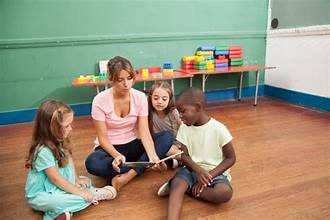
That matters.
That’s progress.
And those small steps are how a bigger understanding grows.
💬 A Gentle Reminder for Parents
This kind of teaching can feel exhausting.
Because it’s not one-and-done.
It’s repeated, daily guidance.
But please hear this:
You’re helping your child stay safe.
You are helping them understand the world.
You are doing something incredibly important.
Even when it feels hard.
🌟 Final Thoughts
Teaching personal boundaries to kids with autism isn’t about perfection.
It’s about:
- Clear communication
- Consistent practice
- Gentle support
And over time…
Those lessons begin to stick.
Little by little.
Step by step.
Just like everything else