As parents of children with special needs, we carry a quiet hope in our hearts…
“I just want my child to be as independent as possible.”
But knowing where to start can feel overwhelming.
What skills matter most?
Which one should we focus on first?
What if it feels like too much?
If you’ve ever asked yourself these questions, you’re not alone.
The truth is, independence isn’t built all at once. It’s built through small, everyday skills that slowly add up over time.
Today, we’re going to walk through 10 daily living skills your child can learn—with simple, step-by-step ideas to help you get started.
🌱 1. Brushing Teeth
This is often one of the first independence skills we work on.
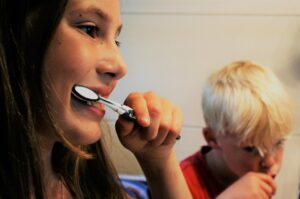
Break it down:
- Pick up a toothbrush
- Put toothpaste on
- Brush top teeth
- Brush the bottom teeth
- Rinse
💡 Tip: Use a visual chart in the bathroom to guide each step.
👕 2. Getting Dressed
Start simple and build from there.
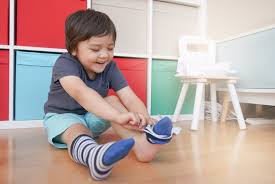
Start with:
- Putting on socks
- Pulling up pants
- Putting arms through a shirt
💡 Tip: Lay clothes out to reduce confusion.
🧼 3. Washing Hands
A daily habit that builds both independence and hygiene.
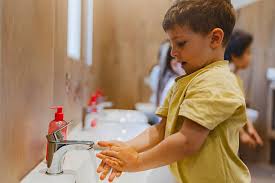
Steps:
- Turn on the water
- Wet hands
- Add soap
- Scrub
- Rinse
- Dry
💡 Tip: Sing a short song to help with timing!
🍽️ 4. Feeding Themselves
Even small steps here are big wins.
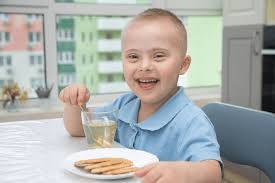
Start with:
- Holding utensils
- Scooping food
- Drinking from a cup
💡 Tip: Use adaptive utensils if needed—there’s no “one right way.”
🧹 5. Cleaning Up Toys
This builds responsibility and routine.
Steps:
- Pick up items
- Put it in the bin or the basket
- Return items to the correct place
💡 Tip: Use labeled bins with pictures.
🛏️ 6. Making the Bed (Simple Version)
Keep expectations realistic.

Start with:
- Pulling up a blanket
- Placing pillow
💡 Tip: Focus on effort, not perfection 💛
🚿 7. Basic Bathing Skills
This can take time—go slowly.
Start with:
- Washing arms
- Washing legs
- Rinsing
💡 Tip: Use visual prompts in the shower.
👟 8. Putting On Shoes
A great confidence-building skill.
Steps:
- Find the correct shoe
- Open shoe
- Insert foot
- Fasten
💡 Tip: Try slip-on or Velcro shoes first.
🗑️ 9. Throwing Trash Away
Simple—but powerful.
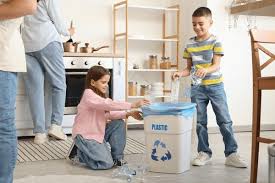
Steps:
- Pick up trash
- Walk to the bin
- Throw away
💡 Tip: Turn it into a small “job” they feel proud of.
📅 10. Following a Simple Routine
This ties everything together.
Examples:
- Morning routine
- After-school routine
- Bedtime routine
💡 Tip: Use a visual schedule so your child knows what to expect.
💛 What Matters Most
Here’s the part I want you to hold onto:
Your child does not need to learn everything at once.
In fact, they shouldn’t.
Pick one or two skills to focus on at a time. Practice them daily. Celebrate progress—even when it’s small.
Because those small wins?
They turn into independence over time.
🌟 A Gentle Reminder
Some days will feel easy.
Some days will feel hard.
Some days, your child will surprise you.
And some days, you’ll wonder if you’re making progress at all.
You are.
Even when it doesn’t feel like it.
💬 Final Thoughts
Teaching daily living skills to your child isn’t about rushing them forward.
It’s about:
- Meeting them where they are
- Supporting them step-by-step
- Giving them the tools to succeed
And most importantly…
Letting them grow into independence in their own time 💛