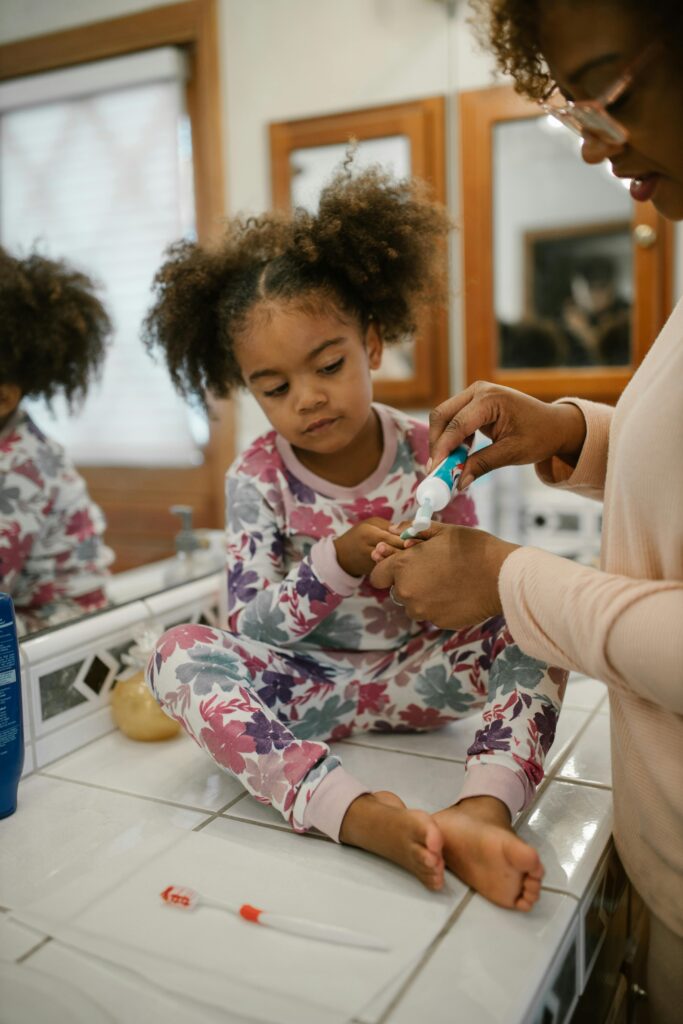
💛 Independence Starts in the Small Moments
When we think about independence, it’s easy to picture the big things.
Living on their own.
Getting a job.
Making big life decisions.
But the truth is…
👉 Independence is built in the small, everyday routines.
For kids with autism and ADHD, routines aren’t just helpful—they’re essential. They create structure, reduce anxiety, and make it easier for our kids to understand what comes next.
And the best part?
👉 You don’t need to do everything at once.
Just a few simple routines can make a huge difference over time.
🌅 1. Morning Routine: Starting the Day with Structure
Mornings can feel rushed and overwhelming—but a simple routine can change everything.
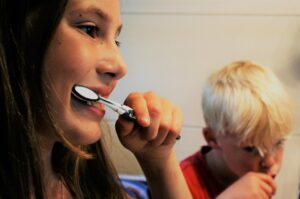
💡 Focus on 3–4 steps:
- Brush teeth
- Get dressed
- Use deodorant
- Pack backpack
Keep it consistent every day.
👉 When your child knows what to expect, they’re more likely to participate—and eventually do it independently.
Tip: Use a visual checklist in the bathroom or bedroom to guide them.
🎒 2. After-School Routine: Reset & Refocus
After school, it can be a tricky transition.
Your child may feel:
- Tired
- Overstimulated
- Hungry
A simple routine helps them reset.
💛 Try this flow:
- Snack
- Quiet time (screen or calm activity)
- Homework or task
- Free time
👉 This creates balance between rest and responsibility.
🍽 3. Mealtime Routine: Building Real-Life Skills
Mealtime is a great opportunity to teach independence.
Start small.

💡 Ideas:
- Setting the table
- Helping prepare simple foods
- Clearing their plate
- Putting dishes in the sink
These are life skills your child will use forever.
👉 And they build confidence in a very natural way.
🧼 4. Hygiene Routine: Daily Care Made Easier
(Hey—perfect tie-in from last week 👏)
Hygiene routines are one of the most important independence skills during puberty.
💛 Keep it simple:
- Morning: teeth + deodorant
- Night: shower + teeth + pajamas
Use:
- Visual charts
- Step-by-step checklists
- Same order every day
👉 The more predictable it is, the easier it becomes.
🌙 5. Bedtime Routine: Ending the Day Calmly
A consistent bedtime routine helps your child:
- Wind down
- Feel secure
- Sleep better
💡 Simple bedtime flow:
- Shower or wash up
- Pajamas
- Brush teeth
- Quiet activity (reading, calming time)
👉 Ending the day the same way every night builds comfort and independence.
👀 The Secret to Making Routines Work
It’s not about perfection.
It’s about consistency.

Start with:
- One routine
- A few simple steps
- The same order every day
And remember…
👉 You can support at first—and slowly step back over time.
🎉 Celebrate the Small Wins
If your child:
- Completes one step
- Follows part of a routine
- Tries without resistance
👉 That matters.
Those small wins are the building blocks of independence.
💛 Final Thoughts
You don’t need complicated systems.
You don’t need perfect days.
All you need:
- Simple routines
- Consistency
- Patience
Because independence isn’t something we teach all at once.
👉 It’s something we build—one small routine at a time.