💛When Hygiene Becomes a Daily Struggle
If you’ve found yourself reminding your child—again—to brush their teeth, use deodorant, or take a shower… you’re not alone.
When puberty begins, hygiene suddenly becomes a much bigger part of daily life. And for kids with autism or ADHD, it can feel overwhelming, confusing, or even uncomfortable.
I’ve been there.
What seems like a “simple task” can quickly turn into a daily battle. Not because our kids don’t care—but because they may not yet have the structure, sensory comfort, or understanding to manage it independently.
The good news?
👉 With the right routines, hygiene can become easier—for both of you.
🧠 Why Hygiene Can Be Challenging
Before we jump into solutions, it helps to understand why this is hard.
Children with autism and ADHD may struggle with:
- Executive functioning (remembering steps)
- Sensory sensitivities (water, smells, textures)
- Transitions (starting and finishing tasks)
- Understanding why hygiene matters
So instead of seeing resistance as defiance, try to see it as:
👉 “My child needs more support here.”
🪥 Step 1: Keep It Simple (Really Simple)
When it comes to hygiene routines, less is more.
Instead of giving multiple instructions like:
“Go brush your teeth, wash your face, and put on deodorant…”
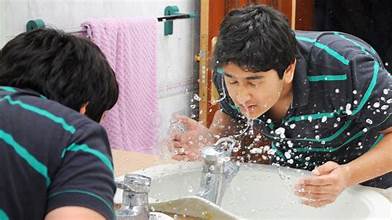
Break it down into one step at a time.
💡 Try this:
- “First: brush teeth.”
- “Next: deodorant”
- “Then: clean shirt”
You can say it out loud—or even better—use a visual checklist (more on that below 👀).
📋 Step 2: Create a Consistent Routine
Consistency is everything.
Try to keep hygiene tasks at the same time every day, such as:
- Morning (before school)
- Evening (before bed)
When it becomes predictable, it becomes easier.
💛 Example Routine:
Morning:
- Brush teeth
- Put on deodorant
- Get dressed
Night:
- Shower or wash up
- Brush teeth
- Pajamas
👉 Repetition builds independence over time.
👀 Step 3: Use Visual Supports (Game-Changer)
This is where things really start to click.
Many kids with autism and ADHD do MUCH better with visual reminders than verbal ones.
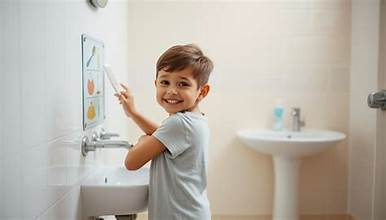
💡 Ideas:
- Printed a checklist in the bathroom
- Picture-based routine chart
- Dry-erase board with steps
This removes:
- Constant reminding
- Power struggles
- Confusion
👉 And gives your child ownership of their routine
(This is also a perfect future printable for you 👀)
🚿 Step 4: Make It Sensory-Friendly
Sometimes hygiene isn’t avoided—it’s uncomfortable.
Pay attention to what your child might be reacting to:
- Strong smells (soaps, deodorant)
- Water temperature
- Loud bathroom noises
- Certain fabrics or towels
💛 Simple adjustments:
- Use unscented or mild products
- Let them choose their soap or toothbrush
- Try softer towels or different textures
- Adjust the water temperature to their preference
👉 Small changes can make a BIG difference
⏱ Step 5: Use Timers & Gentle Prompts
Transitions can be tough—especially for kids with ADHD.
Instead of sudden demands, give a heads-up.
💡 Try this:
- “5 more minutes, then it’s shower time.”
- Use a visual timer or phone alarm
This helps your child:
- Prepare mentally
- Reduce resistance
- Feel more in control
🎉 Step 6: Celebrate Progress (Not Perfection)
This part matters more than we think.
If your child:
- Brushes their teeth without a fight
- Remembers one step independently
- Tries something new
👉 That’s a win.
Celebrate it.
Not with pressure—but with encouragement:
- “I’m really proud of you.”
- “You remembered that all by yourself.”
Confidence builds consistency.
💛 Final Thoughts
Hygiene during puberty doesn’t have to be a constant struggle.
With:
- Simple steps
- Consistent routines
- Visual supports
- Sensory awareness
…it can become something your child learns to manage over time.
And if today felt hard?
That’s okay too.
You’re showing up. trying your best. You’re figuring it out.
👉 And that’s exactly what your child needs.