Simple Steps That Make a Big Difference for Special Needs Families & Service Animal Teams
When my son first started school with his service dog, I remember feeling two things at once: hopeful and terrified. Would people accept them? Would he be treated fairly? Would teachers know how to include him, or would we spend another year explaining — and re-explaining — every accommodation?
What I learned throughout this journey is that inclusion doesn’t happen by accident. It takes intention, understanding, and — most of all — community. The great news? Inclusion doesn’t always require expensive tools or complicated programs. Sometimes it starts with a smile, a conversation, or a willingness to learn.
Today’s post is all about how we can build more inclusive schools and communities — step by step — so every child, every family, and every ability is welcomed. Whether you’re a parent, educator, neighbor, or simply someone who wants to make a difference, this guide is for you.
🌟 What Does “Inclusive” Really Mean?
Inclusion means more than just allowing someone to “be there.”
It means:
- They participate fully.
- They feel safe and respected.
- Their needs are met without judgment.
- They don’t have to fight just to belong.
Inclusion is active. It means we create space for everyone — instead of waiting to see if they fit in.
💬 Step 1: Start with Awareness & Real Conversations
You can’t support what you don’t understand. That’s why awareness is the heart of inclusion.
Here are ways schools and communities can start:
- Host disability awareness days (excellent for classrooms!)
- Invite service providers, therapists, or families to speak.
- Use read-aloud books and videos about disabilities and service animals.
- Start a language shift: no more “what’s wrong with them?” → “What do they need to succeed?”
Even one conversation can change how a teacher responds, how a class welcomes a child, or how a community supports a family.
🧡 You don’t need all the answers — you just need to be open and willing to learn.
🧠 Step 2: Understand That Needs Are Not “Extra” — They’re Essential
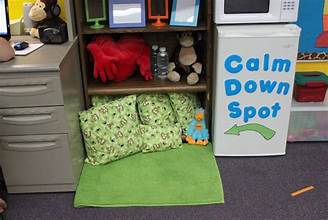
A quiet space for a sensory break. A visual schedule. An aide. A service animal. These are not “extras” or “perks.”
They are tools for access.
Imagine trying to learn math while standing in a thunderstorm. That’s what sensory overload feels like to some kids.
Imagine trying to navigate a busy hallway without your glasses. That’s how my son feels without his service dog.
When we see accommodations as equalizers, not privileges, everything shifts.
🏫 Step 3: Inclusive Classrooms That Actually Work
Here are simple ways classrooms can be more inclusive starting tomorrow:
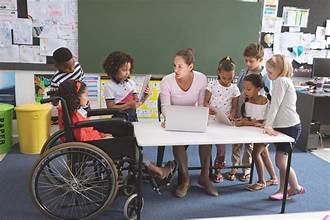
| Strategy | Why It Helps |
| Visual schedules | Helps students with anxiety, autism, or ADHD understand the plan |
| Flexible seating (floor cushions, wobble chairs) | Supports sensory needs for calmer focus |
| Quiet break corner | Prevents meltdowns and builds emotional regulation |
| Clear communication between home & school | Builds trust and helps catch concerns early |
| Service animal education | Helps classmates understand why the dog is there — not as a pet, but as a working partner |
Teachers don’t need everything at once. They just need a starting place and support.
🐾 Service Dogs in Schools: Inclusion in Action
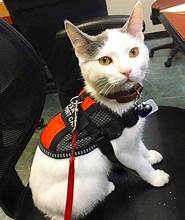
When my son’s service dog walked through the school doors, it was a learning moment for everyone. Some kids whispered, some stared, some smiled… but once they learned WHY she was there, everything changed.
What Schools Can Do:
- Teach kids that service dogs work, not play.
- Explain disability respectfully and simply: “Some people need glasses. Some people need hearing aids. Some people need service dogs.”
- Create a service dog etiquette poster for the classroom.
- Practice inclusive language:
- ❌ “The dog kid.”
- ✔️ “Our friend who uses a service dog to help him learn safety.”
- ❌ “The dog kid.”
Education leads to acceptance.
🤝 Step 4: Community Partnerships Matter
Inclusion gets stronger when schools work with their communities rather than trying to do everything alone. Great partnerships include:
- Local therapy centers
- Libraries hosting sensory-friendly events
- Pediatricians and behavioral therapists
- Local businesses offering sensory hours or quiet rooms
- Police departments are learning about service animals and interactions with people with disabilities.
Why this matters:
When families feel supported outside of school, their stress and isolation decrease — which helps kids learn and grow better inside school, too.
👨👩👦 Step 5: Make Families Part of the Team
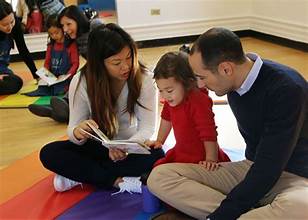
No one understands a child’s needs better than their family. Schools that practice inclusion should also practice collaboration.
What families wish schools knew:
- We don’t want “special treatment.” We want equal opportunity.
- We’re not trying to be difficult — we’re trying to help our child succeed.
- We appreciate teachers more than we say (we’re just often exhausted!).
- Communication means everything.
- A quick check-in email can make our entire day.
The goal is not perfection — it’s partnership.
🌱 Step 6: Grow with the Child (Not Against Them)
Inclusion is not one-size-fits-all. As a child grows, their needs grow too — and that’s okay.
Ways schools can adapt:
- Revisit individualized plans regularly
- Ask students what helps or hurts.
- Adjust for upcoming transitions (middle school, high school, graduation)
- Celebrate progress, not just grade scores
Success doesn’t always look like a test score.
Sometimes it looks like a child making eye contact…
Or attending class all week…
Or using their service dog confidently in public for the first time.
🧩 Step 7: Change the Culture, Not Just the Rules
Policies are essential — but culture is influential.
Signs of a genuinely inclusive school or neighborhood:
- Staff use respectful language about disability
- Children are taught empathy, not pity.
- Celebrations include everyone
- No child is labeled as “too difficult.”
- A service animal isn’t a problem — it’s a partner in learning.g
Let’s build places where kids don’t wonder: “Do I belong?”
They already know the answer is yes.
📌 Practical Ideas You Can Start Today
Here’s a list you can share in your community, school, or PTA meeting:
1. School Ideas
- Sensory-friendly classrooms
- Disability & service dog awareness week
- Clear communication systems between staff & families
- Staff training on autism, ADHD, and emotional regulation
- Hall passes for calming breaks.
2. Community Ideas
- Quiet shopping hours
- Police training on service dogs & disabilities
- Inclusive playground equipment
- Signs with visual supports (directions, warnings, schedules)
- Local businesses are allowed to host a therapy pet day.s
3. Student Activities
- Peer buddies program
- “Different Needs, Same Hearts” poster contest
- Group projects with flexible roles
- Kindness goals bulletin board
- Social skills lunch groups
🎧 Step 8: Listen to Disabled Voices
One of the best ways to build inclusion? Listen to those who live it every day.
Follow disability advocates on social media. Read blogs (like yours!). Invite speakers. Ask questions like:
- What makes you feel left out?
- What makes you feel seen?
- What kind of support makes school easier?
- What is one thing teachers could do differently?
You don’t have to speak for them — just make sure they’re heard.
💛 Final Thoughts: Inclusion Is a Love Language
I used to think inclusion was a checklist — ramps, visual schedules, sensory tools.
But now I truly believe this:
Inclusion is a love language.
It says: We see you. We welcome you. We want you here.
Every child deserves to walk into a classroom and think, This is my place.
Every parent deserves to send their child to school without fear.
Every service Animal deserves space to work without distraction.
Every community has the power to grow in empathy.
Inclusion is not just possible — it’s already happening, one brave step at a time. And every step counts.