(A Parent-to-Parent Guide to Making Everyday Life a Little Easier)
If there’s one thing I’ve learned as a mom of a special needs child, it’s this: the right tools don’t just make life easier—they give us breathing room. They bring peace where there used to be chaos, structure where there used to be overwhelm, and independence where there once was frustration.
And honestly? Anything that makes daily life smoother is always welcome in my home. These tools are not just helpful; they are practical solutions that empower us as parents and caregivers.
Whether you’re new to accessibility tools or you’ve been testing every gadget under the sun. This list breaks down the 10 most helpful, family-friendly tools that can support children with Autism, ADHD, sensory processing needs, physical disabilities, developmental delays, or medical complexities. Think of it as the cheat sheet I wish someone had handed me years ago. These tools are not just options; they are practical solutions that can truly make a difference.
Grab a cup of coffee, settle in, and let’s go over the tools that may just change your entire routine for the better.
1. Visual Schedules & Routine Boards
Building predictability, reducing anxiety, and setting everyone up for smoother days.
If you’ve followed me for a while, you already know how much visual schedules have changed our home. Kids with Autism, ADHD, anxiety disorders, or sensory challenges often thrive on structure—but verbal reminders alone don’t always cut it.
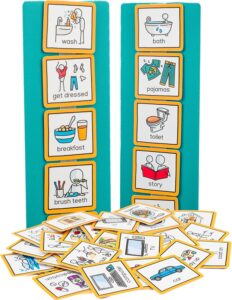
Visual schedules give clarity.
They show your child what’s happening next without the stress of constant transitions.
Why They Work:
- Reduce anxiety by showing the steps of the day
- Support executive functioning
- Encourage independence (“I can see what to do next!”)
- Decrease meltdowns around transitions.
Options That Work:
- Magnetic routine boards for younger kids
- Velcro-based PEC boards (great for non-speaking children)
- Digital schedules on tablets like Choiceworks
In our home, the most significant shift happened when I stopped saying everything that needed to get done… and started showing it. Suddenly, the morning routine didn’t feel like a wrestling match with time.
2. Noise-Canceling Headphones
For sensory overload, travel days, classrooms, stores, and busy life moments.
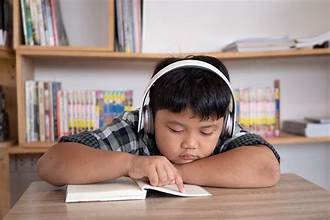
If you’ve ever tried grocery shopping after school during the 5 p.m. rush hour with a sensory-sensitive child—girl, you know. The fluorescent lights, the carts clashing, the music, people talking… It’s a lot.
Noise-canceling headphones are like giving your child a soft, quiet bubble when the world gets too loud.

Why Families Love Them:
- Reduce auditory overwhelm
- Lower anxiety in busy places
- Improve focus during schoolwork.
- Helpful for transitions and new environments
Good Choices:
- Over-ear padded headphones for younger kids
- Bluetooth sensory headphones with adjustable levels
- Foldable travel-friendly pairs for outings
We keep a pair in the car, one in the house, and one in the backpack—because meltdowns don’t schedule appointments.
3. Communication Devices & Apps
Supporting speech, connection, and independence.
Families of non-verbal or minimally verbal children know how life-changing communication tools can be. AAC (Augmentative and Alternative Communication) tools aren’t just devices—they’re bridges. They give your child a voice.
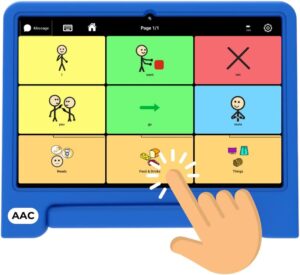
Common Types:
- Tablets with AAC apps
- Dedicated communication devices
- Picture-exchange communication books
Popular Apps:
- Proloquo2Go
- TouchChat
- LAMP Words for Life
Why AAC Matters:
- Supports language development
- Reduces frustration and behaviors
- Gives children autonomy
- Helps them communicate wants, needs, feelings, and choices
No child is ever “too young” or “too old” to benefit from AAC. Access to communication is a right—not a milestone.
4. Adaptive Utensils & Mealtime Tools
For kids with fine motor challenges, sensory needs, or feeding difficulties.
Mealtimes can be tricky—really hard. Between sensory aversions, motor delays, or anxiety around food, many families face daily struggles during meals that others might never think twice about.
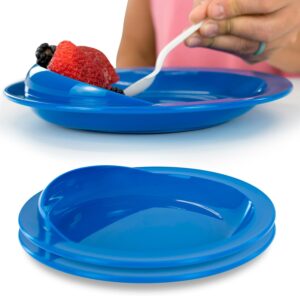
Tools That Help:
- Weighted utensils
- Angled or curved utensils
- Non-slip plates and bowls
- Divided plates for picky eaters
- Vibrating spoons for oral-motor sensory seekers
The Big Benefits:
- Encourage independence
- Support proper grasp and control.
- Reduce spills and frustration.n
- Help kids focus on eating, not fighting the tools.
Something as simple as a divided plate changed our dinner routine—my son no longer panicked when foods touched. Minor adjustments can be game-changing.
5. Sensory Swings & Compression Seats
Regulation tools for movement seekers and sensory-driven kids.
Kids who need sensory input often crave movement—swinging, bouncing, spinning, deep pressure, or vestibular input. Sensory swings and compression seating provide a safe outlet for that energy.
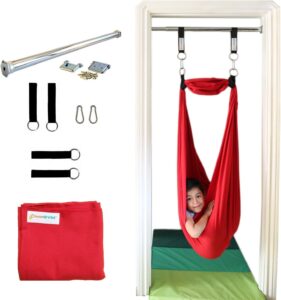
Popular Options:
- Hammock-style sensory swings
- Pod swings with inflatable cushions
- Compression seats or wobble chairs
- Portable doorway swings
Why Kids Love Them:
- Provide calming, deep pressure
- Support self-regulation
- Help with focus during schoolwork.k
- Reduce meltdowns (especially before bed or after school)
Movement isn’t a distraction—it’s regulation. Once I accepted that, our home became a much calmer place.
6. Weighted Blankets & Compression Wear
Calming tools for nighttime, car rides, and moments of overstimulation.
Weighted blankets have gotten popular in recent years—and for good reason. The gentle pressure can feel grounding and soothing, helping children regulate their bodies.

Benefits:
- Improve sleep and bedtime routines
- Reduce anxiety
- Calm sensory overload
- Support focus and stillness
Compression clothing, like snug vests or shirts, provides that same stabilizing pressure throughout the day.
Great For:
- ASD
- ADHD
- Sensory Processing Disorder
- Anxiety
- Emotional regulation needs
Just make sure the blanket is the right weight (usually around 10% of the child’s body weight).
7. Visual Timers & Transition Tools
The secret weapon every special needs family should have.
If transitions are complex in your home, please know you’re not alone. Children who struggle with executive functioning or sensory processing often need extra support moving from one activity to another.
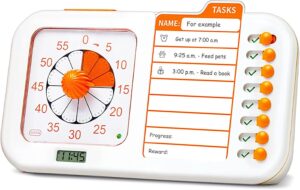
Visual timers are magical for this.
Examples:
- Time Timer (the classic red disappearing pie shape)
- Sand timers
- Light-up timers
- Digital countdown timers
Why They Help:
- Reduce “surprise transitions”
- Give kids control and predictability.
- Break down tasks into manageable chunks.
- Decrease arguments (“It’s not me ending screen time—the timer says so!”)
We use timers for everything from brushing teeth to finishing chores to switching activities during homeschool or homework time.
8. Mobility Aids & Positioning Tools
Providing stability, independence, and comfort for children with physical disabilities.
This category looks different for every family—and everybody. Mobility aids aren’t “one size fits all,” but when you find the right one, it opens up the world for your child.
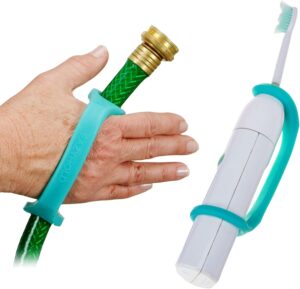
Helpful Tools:
- Gait trainers
- Adaptive strollers
- Specialized seating systems
- Standing frames
- Supportive cushions and posture chairs
Why They Matter:
- Increase independence
- Support safe movement
- Improve posture
- Reduce fatigue
- Encourage participation at home and school.
Never feel guilty about using mobility tools—they’re not “crutches,” they’re supports that make participation possible.
9. Smart Home Devices for Accessibility
Technology that makes daily routines smoother, safer, and more manageable.
This is one of my favorite growing categories, especially for busy families juggling therapies, appointments, meals, school, work, and much more. Smart home tools can create safer environments, prevent overwhelm, and simplify communication.
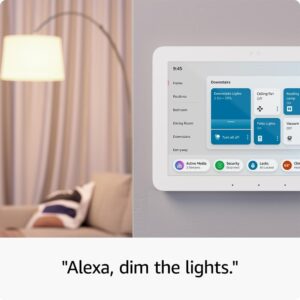
Helpful Smart Tools:
- Voice-activated assistants (Alexa, Google Home)
- Smart bulbs with adjustable brightness
- Video doorbells for wandering prevention
- Smart locks for safety
- Plug-in nightlights with motion sensors
- Reminders and routine prompts (“Time for your visual schedule!”)
Family Wins:
- Build independence (“Alexa, turn on my light!”)
- Improve safety
- Help kids with language delays practice communication.
- Reduce caregiver overwhelm
I can’t tell you how many meltdowns we’ve prevented just by saying, “Alexa, dim the lights.”
10. Fidget Tools & Sensory Kits
Because regulation doesn’t just happen—we help kids build the skills for it.
Fidgets sometimes get a bad reputation from people who don’t understand sensory needs. But here’s the truth:
Fidgets aren’t toys. They’re tools that help kids regulate their emotions.
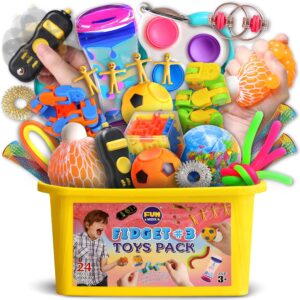
Great Types:
- Marble-and-mesh fidgets
- Squish balls
- Tangles
- Chewable necklaces (oral-safe materials only!)
- Pop tubes
- Resistance bands
- Sensory bottles
- Putty or kinetic sand
Why They Help:
- Reduce anxiety
- Support focus
- Replace harmful stimming behaviors with safe alternatives.
- Provide grounding input during transitions or stressful moments.
We keep a small sensory kit in the car, one in the living room, and one in my son’s backpack—preparedness = peace.
Final Thoughts: Supporting Your Child Starts With Supporting Your Family
Using accessibility tools isn’t about “fixing” your child—it’s about supporting who they already are. Every child deserves tools that help them thrive, communicate, feel safe, and participate in the world in the way that works best for them.
And every caregiver deserves tools that make life a little easier, too.
There’s no shame in using accessibility supports. In fact, the real shame would be not using them simply because someone else doesn’t understand their purpose.
You’re doing a fantastic job.
You’re learning, adapting, trying new things, and making choices that support your child’s wellbeing—and that’s something to be proud of.