A calm, confidence-building guide for special needs families navigating the unexpected.
If there’s one thing travel has taught me as a parent of an autistic child, it’s this — plans rarely go exactly as expected. Flights get delayed, gates change, layovers stretch longer than your patience, and sometimes you find yourself eating cold pretzels at midnight while your service dog naps on your carry-on bag. I remember one time, we were stuck in an airport for hours due to a snowstorm, and it felt like a never-ending wait. But we made it through, and I’m here to share what I’ve learned.
It’s all part of the adventure, right?
For families like ours, traveling with a service dog adds both comfort and complexity. These incredible animals make air travel possible for so many of us — but when schedules shift, they rely on us just as much as we depend on them.
I’ve learned (often through experience!) that layovers and delays don’t have to be stressful. With proper prep, a positive mindset, and a few clever tricks, those long waits can turn into calm, even meaningful, parts of the journey.
Here’s how to make the most of them — step by step.
🧭 Step 1: Plan for Possible Delays
Anticipating delays is not pessimism; it’s strategic planning. It’s the best way to handle unexpected situations and stay in control of your journey.
Before you travel, check your airline’s connection times and the airport layout. If you’re connecting through a significant hub like Atlanta or Chicago, aim for a minimum 90-minute layover (longer if traveling with a service dog or child who needs more time to transition).
💡 Pro tip: Research service animal relief areas in advance. Most airports list them online now, and many have at least one inside security checkpoint.
Keep a quick-access note on your phone with:
- The terminal and gate numbers for the relief areas
- Airline customer service phone numbers
- Your flight confirmation and DOT service animal form
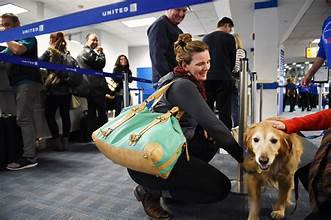
That small bit of planning can save you significant stress later when you’re tired and juggling multiple needs at once.
💬 When we first started traveling, I used to treat layovers like something to “get through.” Now I see them as built-in breaks — time to reset, snack, stretch, and breathe before the next flight.
🧳 Step 2: Pack a “Layover Survival Kit”
Long waits are a lot easier when you have everything you need right at your feet. I keep a carry-on bag just for layovers and delays — stocked with essentials for both my son and his service dog, Max.
🐾 Here’s what’s inside:
- Service dog gear: collapsible bowls, wipes, waste bags, and a blanket or mat
- Comfort items: Max’s favorite chew toy and a small towel that smells like home
- Child’s sensory needs: headphones, tablet with downloaded shows, fidget tools
- Parent must-haves: snacks, bottled water, a charger, and hand sanitizer
- Documents: DOT Service Animal Form, vaccination record, hotel info, and backup ID
💬 One time, our two-hour layover turned into six because of the weather. I spread Max’s mat under our seats, and he lay quietly next to my son, who played a game on his tablet. Watching them both so calm reminded me — it’s not about rushing, it’s about finding calm where you can.
Seeking out a quiet corner or relief area can provide a much-needed respite from the overstimulation of airports. It’s a simple yet effective way to reduce stress and make the wait more bearable.
Airports can be overstimulating — bright lights, crowded gates, and constant announcements. If your child or service dog starts feeling overwhelmed, finding a quieter space makes all the difference.
Here’s what to look for:
- Empty gates or corners away from boarding lines
- Family or sensory rooms (many airports now have them!)
- Designated service animal relief areas
If your dog needs a break, most airports have small fenced areas with turf and disposal stations. Some even have indoor pet relief zones inside security.
💡 Parent tip: Plan potty breaks strategically. I usually take Max out once after we land, and again right before we board the next flight. It keeps him comfortable and focused during long stretches in the air.
💬 On one trip, we found an indoor relief area complete with fake grass and a tiny fire hydrant — Max was thrilled, my son laughed for five minutes straight, and suddenly the delay didn’t feel so bad anymore.
🗣️ Step 4: Communicate Early and Kindly with Airline Staff
Gate agents and flight crews can be your greatest allies during long delays — especially when you’re traveling with a service dog and a special needs child.
As soon as you reach your gate, introduce yourself and explain your situation in a calm, friendly tone:
“Hi, we’re traveling with a service dog and my son, who’s on the autism spectrum. We’re happy to wait patiently — I just wanted to let you know in case there are updates or changes.”
It sets the right tone and helps staff remember your family if boarding plans shift.
If there’s a long delay, politely ask if there’s a quieter waiting area or if you can pre-board once things resume. Most agents are genuinely kind and want to help — they just appreciate knowing what your family needs. For instance, you can ask if there’s a less crowded area where your child can wait comfortably, or if there’s a way to board early to avoid the rush of other passengers.
💬 Once, during a delay in Dallas, a gate agent quietly moved us to a small row of seats near the window so Max could stretch out without blocking traffic. That small act of empathy meant everything after a long day of travel.
🧍♀️ Step 5: Keep Calm and Predictable for Your Child
For children with Autism, routine is safety, and delays destroy routine. Keeping things predictable helps reduce anxiety for everyone.
Here’s what helps:
- Use visual timers or simple phrases like, “After this movie, we’ll recheck the flight.”
- Stick to familiar snacks and quiet activities.
- Let your service dog help with grounding — deep-pressure touch, cuddles, or simply being close.
If your child feels anxious, find a quiet spot to decompress. Some airports have sensory-friendly rooms (Atlanta, Minneapolis, Dallas-Fort Worth, and others). If not, pick a calm corner with less foot traffic.
💬 During a weather delay once, my son started to panic when loud announcements blared. Max leaned into him, pressing gently against his leg — that deep, steady pressure he’s trained to give. It calmed him instantly. That moment reminded me: sometimes our best travel tools don’t come from a bag — they have paws.
🐾 Step 6: Care for Your Service Dog’s Needs Too
It’s easy to forget that long delays can be just as draining for your dog as they are for you. Service dogs work hard — even when they seem relaxed.
Be sure to:
- Offer water regularly (airport air is dry!)
- Give them short walks or stretch breaks when possible.
- Reward calm behavior with treats or quiet praise
- Bring a small towel or blanket for comfort on hard floors.
💡 Pro tip: Keep an eye out for subtle signs of fatigue — yawning, shifting, or excessive licking can mean your dog needs a break.
💬 I’ve noticed Max has his own “travel tells.” When he sighs and flops dramatically under the seat, that’s his polite way of saying, “We’ve been here too long.” I take that cue seriously — he deserves rest just as much as we do.
💙 Step 7: Turn Delays into Connection Moments
The best part about travel delays? They force you to slow down. Once I stopped fighting the waiting, I realized those hours in the terminal were full of small gifts: laughter, connection, and quiet time together.
Some of our sweetest memories happened during delays — sharing snacks, watching planes take off, or just sitting together while Max dozed.
If your child is up for it, use the time to:
- Read a book together
- Watch a favorite show.
- Let your service dog relax “off duty” for a bit (with supervision)
💬 One of my favorite memories is my son whispering to Max during a layover, “You’re the best traveler ever.” Max wagged once, sighed, and leaned closer. Sometimes that’s all the reassurance either of them needs.
🌟 Step 8: When Things Go Wrong, Breathe and Reset
Even the most organized parents face tough travel days — cancellations, reroutes, and sheer exhaustion. It’s okay to feel overwhelmed.
When that happens, take a moment to breathe. Find a quiet spot, close your eyes, and remind yourself — you’ve handled harder days than this.
You’re not just managing a trip. You’re teaching your child resilience, patience, and flexibility — lessons that go far beyond the airport.
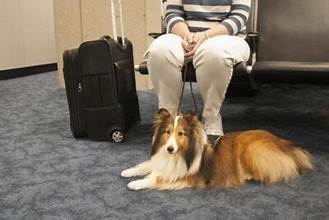
💬 I once found myself on the verge of tears after a canceled flight, sitting on the floor beside Max and my son. Max nudged my arm, my son giggled, and suddenly we were laughing instead of crying. That’s the beauty of traveling with a dog who understands you — they keep you grounded, literally and emotionally.
✈️ Final Thoughts
Layovers and delays can feel like obstacles, but they can also be opportunities — to rest, bond, and grow.
When you travel with a service dog, you’re not just navigating airports — you’re building trust, independence, and connection. Every calm moment you create during a delay teaches your child that travel isn’t something to fear — it’s something they can handle.
And with each new journey, you’ll see it too: your child standing a little taller, your dog curling up a little closer, and you realizing that together, there’s nothing your team can’t do. 💙🐾